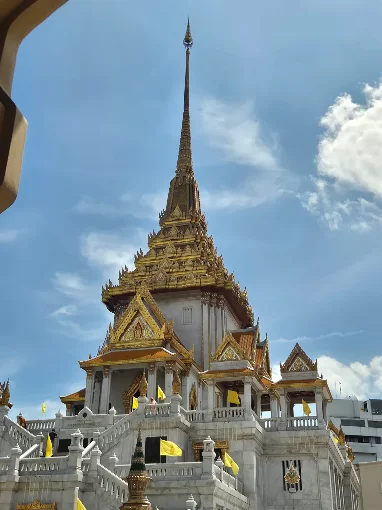
Five and a half tonnes of solid gold, seated in silence at the top of a four-storey marble building in the middle of Bangkok’s Chinatown. The Golden Buddha at Wat Traimit is a quietly overwhelming encounter at close range with one of the most valuable objects ever made.
For roughly two centuries, the statue’s true nature was unknown to almost everyone, hidden beneath a coat of plain stucco before an accident during a 1955 relocation cracked the surface and changed everything.
This guide covers what to expect inside, the practical details you need before arriving, and how to build a half-day around the visit in the neighbourhood that surrounds it.
Overview of Bangkok’s Golden Buddha
The Golden Buddha is the informal name for Phra Phuttha Maha Suwanna Patimakon, a seated gold image held at Wat Traimit Withayaram Worawihan in Bangkok’s Yaowarat district, better known as Chinatown.
Guinness World Records recognises it as the world’s largest solid gold statue and one of the most valuable single objects on Earth.
- Address: 661 Charoen Krung Road, Talat Noi, Samphanthawong, Bangkok
- Nearest MRT: Hua Lamphong (Blue Line), short walk to the temple
- Opening hours: 8:00 AM to 5:00 PM daily, last entry at 4:30 PM
The image depicts the Buddha in the Maravijaya attitude, also known as the Subduing Mara posture. The Buddha seats cross-legged, right hand resting downward toward the earth in the gesture associated with the moment of enlightenment. This artistic style belongs to the Sukhothai tradition of the 13th century.
The Tourism Authority of Thailand classifies Wat Traimit alongside Wat Phra Kaew and Wat Pho as one of Thailand’s three national treasure temples. The statue weighs 5.5 tonnes, stands just under 3 metres tall, and is approximately 83% pure gold.
Wat Traimit or Wat Paknam: Which Golden Buddha?
Bangkok has two landmarks commonly referred to as the Golden Buddha, and they are very different places.
Wat Traimit in Chinatown is the subject of this article. It’s a historic temple with an intimate atmosphere, the 5.5-tonne solid gold image as its centrepiece, and a museum building that rewards close attention.
Wat Paknam Phasi Charoen in western Bangkok is an entirely separate experience. It houses a towering modern Buddha approximately 69 metres tall, clad in green glass mosaic and visible from the canal. Both are worth visiting, but they require separate trips.
Planning Your Visit
Wat Traimit is straightforward to reach and easy to plan around. Here is what to know before you go.
- Entry fee: 100 Baht per person
- Dress code: Shoulders and knees covered; a scarf or sarong is enough
Sarongs are sometimes available to borrow at the entrance, but availability varies. Bringing a light scarf or cover layer removes the uncertainty. Photography is generally permitted inside the statue hall. Avoid flash and be mindful of worshippers.
The Story Behind the Statue
The history of the Golden Buddha is what distinguishes a visit to Wat Traimit from most other temple tours in Bangkok. Cast during the Sukhothai Kingdom period in the 13th century, the image is one of Thailand’s oldest surviving Buddha figures of this scale.
At some point before the Burmese invasions of the 18th century, the statue was covered in layers of stucco and coloured glass. The purpose was protection since a solid gold image would have been a target for armies and looters moving through the region.
The disguise worked more completely than anyone intended. Over the following two centuries, the statue’s golden identity was forgotten, and it came to be regarded as an unremarkable plaster figure at a modest temple.
During relocation works in 1955, a rope snapped and the statue fell, cracking the plaster shell. The break revealed a flash of gold beneath. What followed was the gradual uncovering of a 13th-century Sukhothai masterpiece that had been invisible to the world for nearly 200 years.
The plaster fragments from that event are preserved in the museum on the 3rd floor of the building. Seeing them in person gives the story a weight that a written account cannot fully replicate.
What to See Inside Wat Traimit?
The Phra Maha Mondop, the four-storey building at the heart of the compound, is arranged around the full history of the statue. Most visitors go straight to the top floor for the golden image. In fact, the museum floors beneath deserve equal attention.
- The 4th floor holds the statue itself. The scale is immediate: 5.5 tonnes of gold at close range in a contained hall, surrounded by offerings, incense, and worshippers alongside tourists. This is an active place of devotion and the atmosphere reflects it.
- The 3rd floor is a museum documenting the statue’s journey from creation to rediscovery. Exhibits include the original plaster fragments from the 1955 crack, the tools used to remove the coating, and a video presentation that covers the Sukhothai artistic tradition and the full story of how the image was made, lost, and found again. This is where the experience gains its context.
- The 2nd floor is the Yaowarat Chinatown Heritage Centre, with six permanent exhibitions on Bangkok’s Chinese community from the early Rattanakosin period to the present. It gives the surrounding neighbourhood considerably more texture before you head out into it.
Plan for at least one hour in the building. Indeed, ninety minutes lets you take your time.
Pair It With a Chinatown Afternoon
Wat Traimit sits at the eastern edge of Yaowarat, and the neighbourhood around it is one of the more rewarding in Bangkok for an afternoon at an unhurried pace.
Gold-shop Corridor and the Street Food
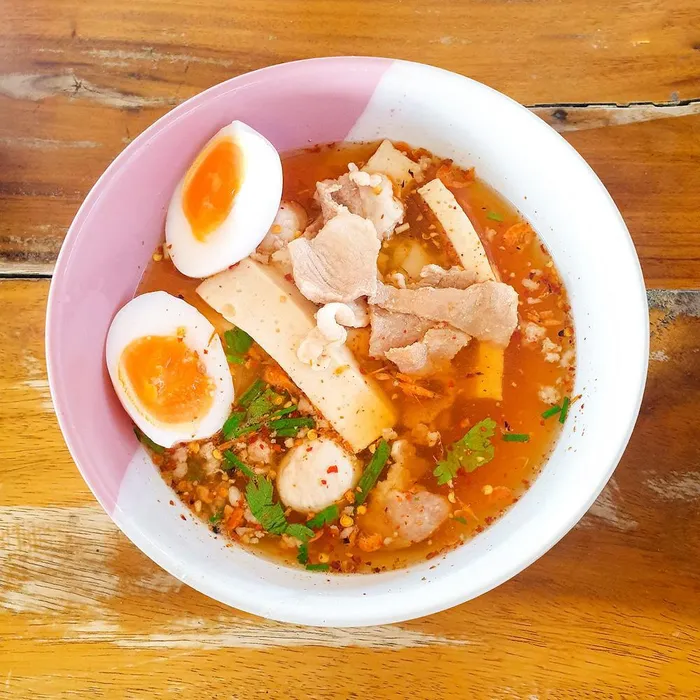
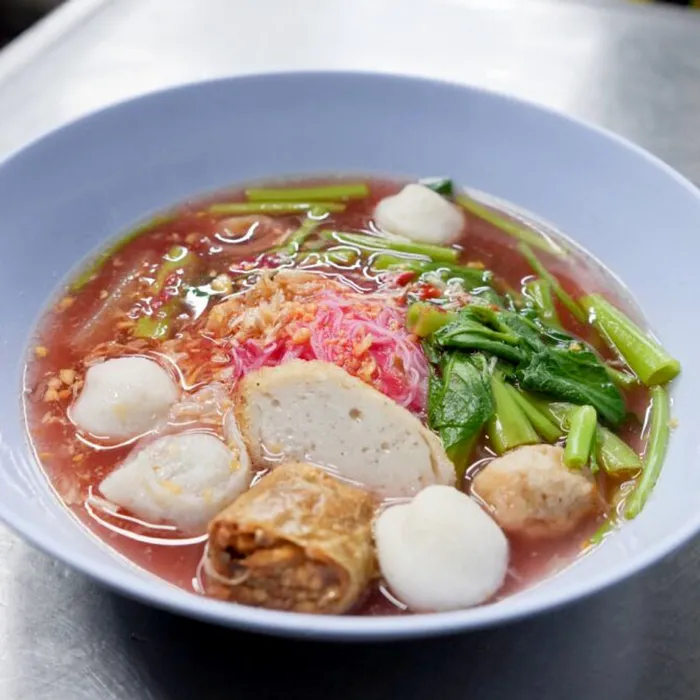
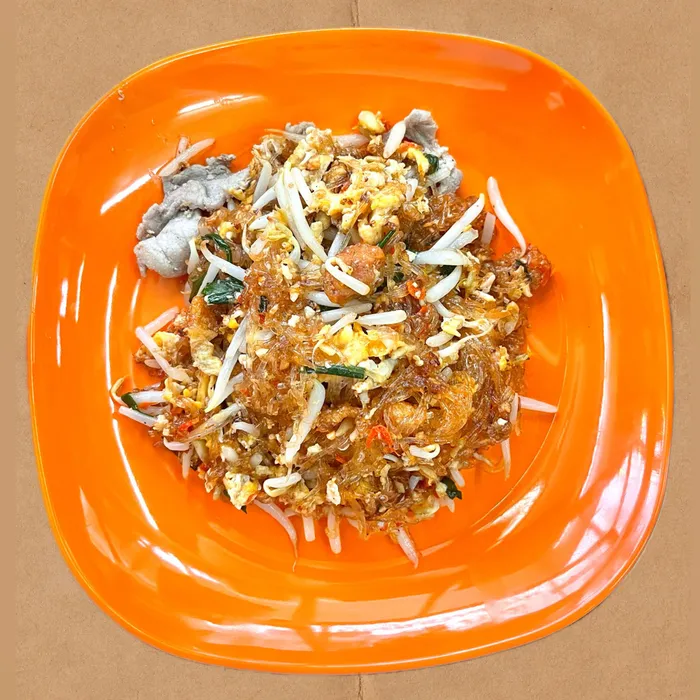
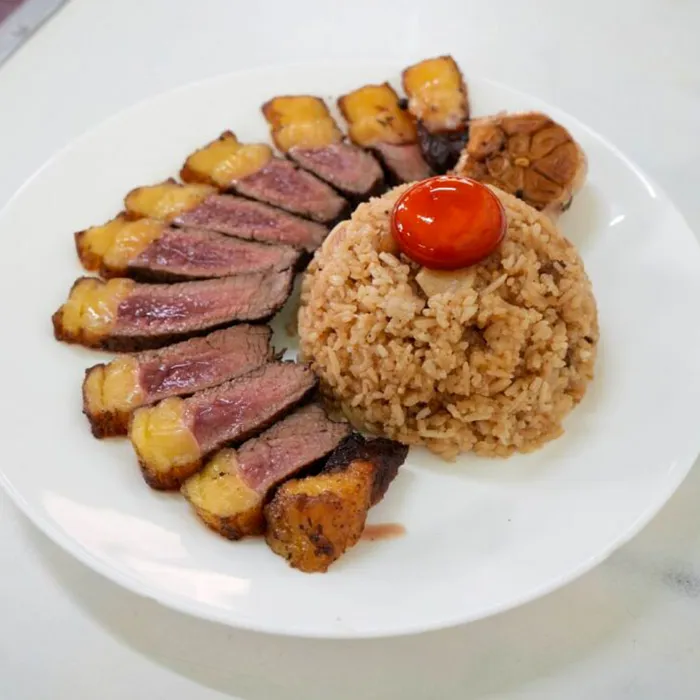
A walk west along Yaowarat Road from the temple brings you into the gold-shop corridor and the street food stretch that define Chinatown at ground level with freshly made dim sum, crab fried rice, and noodle stalls working from recipes that have not changed in four decades.
Talat Noi neighbourhood
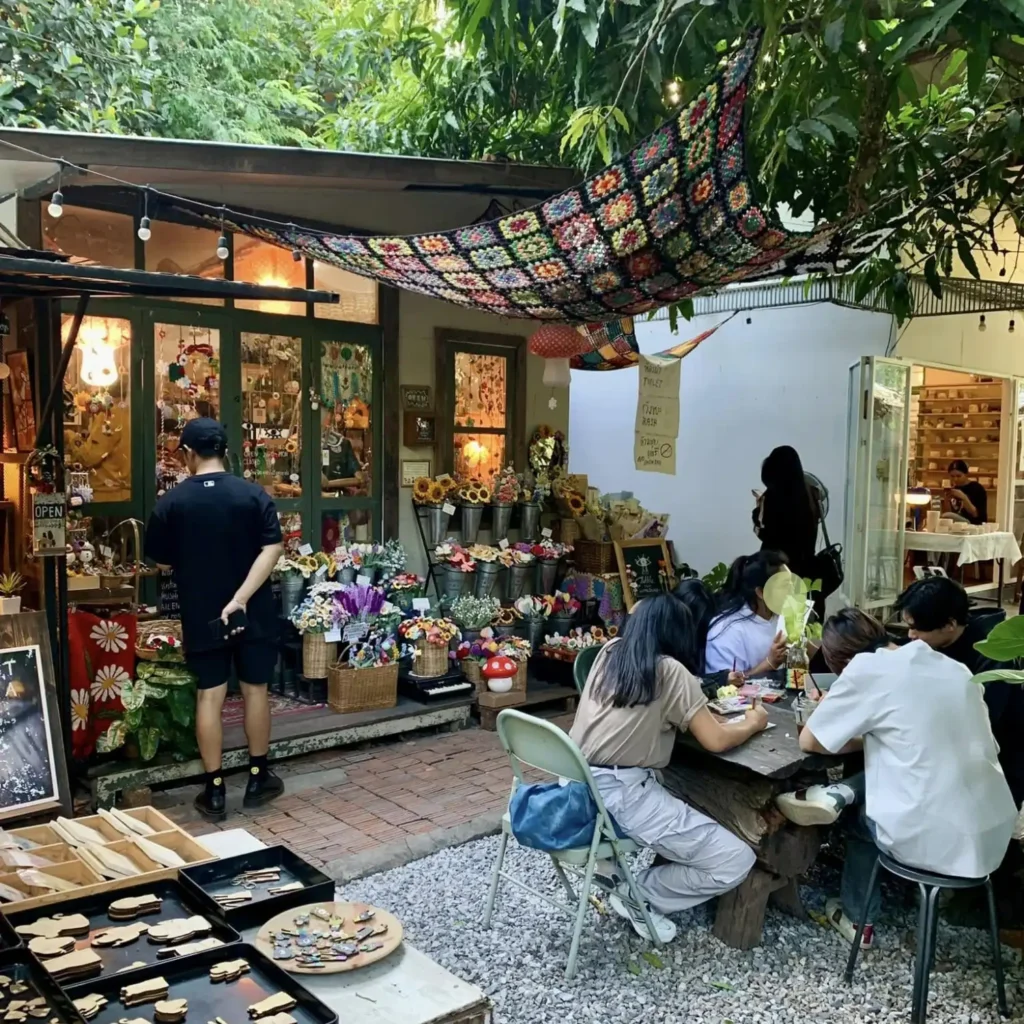
The Talat Noi neighbourhood, south along Charoen Krung Road, offers a quieter alternative. Heritage shophouses, street art, canal-side cafes, and small creative businesses have settled into the lanes here, and the atmosphere at midday is genuinely calmer than Yaowarat at its busiest.
Song Wat road
Song Wat Road, a few minutes further along, has become a hub for independent coffee, design studios, and converted riverside warehouses that make for a good hour of exploration.
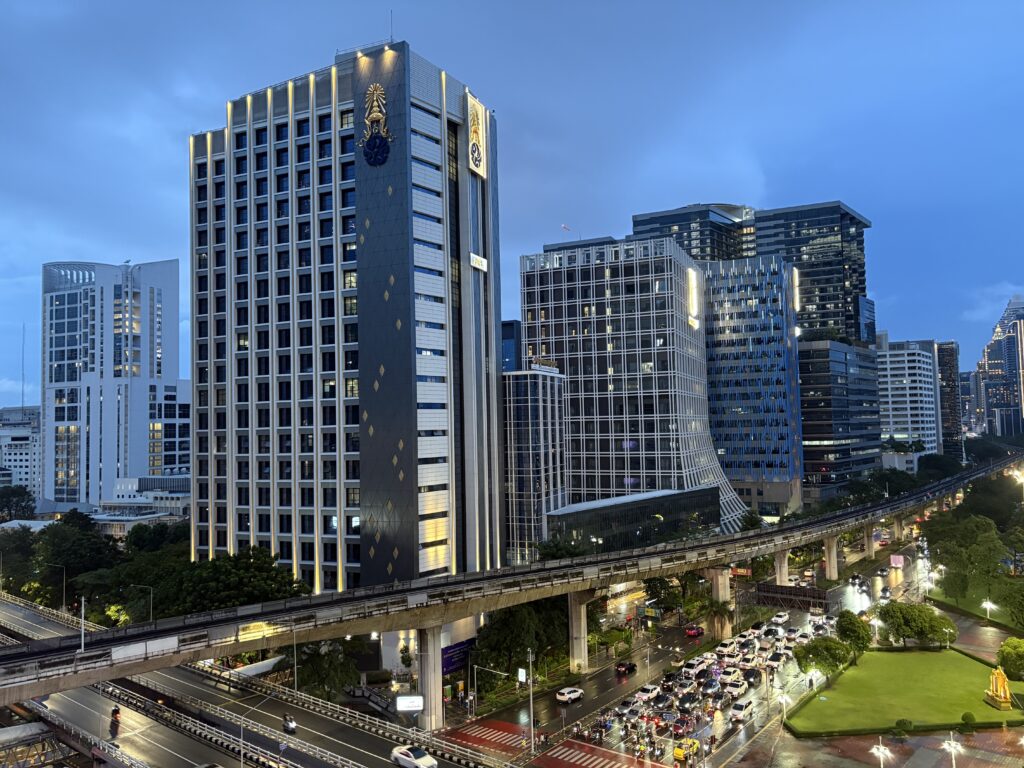
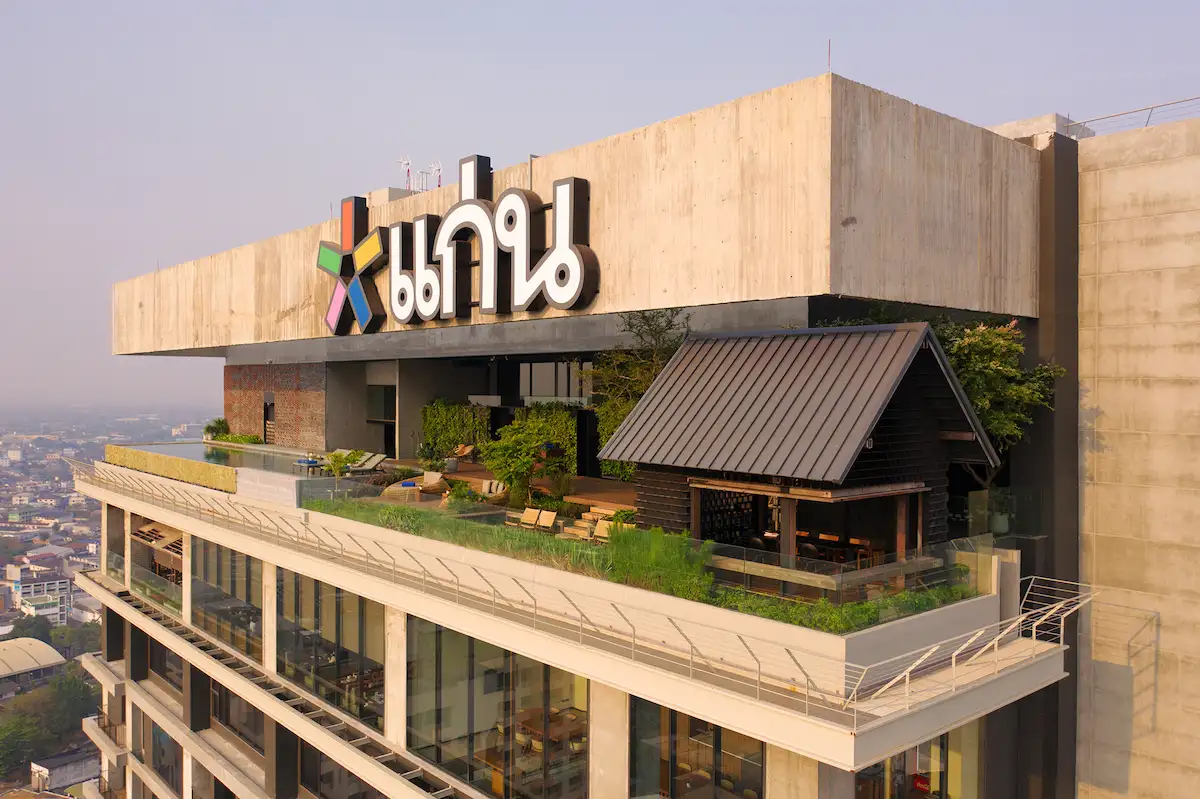
From Ad Lib Bangkok, the trip to Hua Lamphong is direct. The hotel’s Tuk-Tuk shuttle connects to BTS, and the interchange at Sukhumvit/Asok puts you on the MRT Blue Line for a clear run to Hua Lamphong. The whole journey takes around 30 to 40 minutes.
To explore more of what is within reach of the hotel, discover Bangkok through Ad Lib Bangkok’s local guide.
Conclusion
Wat Traimit holds two things that rarely arrive together, a record-breaking object and a genuinely extraordinary origin story. The half-day it anchors in Chinatown and Talat Noi is one of the more considered ways to spend a morning or afternoon in Bangkok, and the contrast between the two neighbourhoods makes the combination worth planning for.
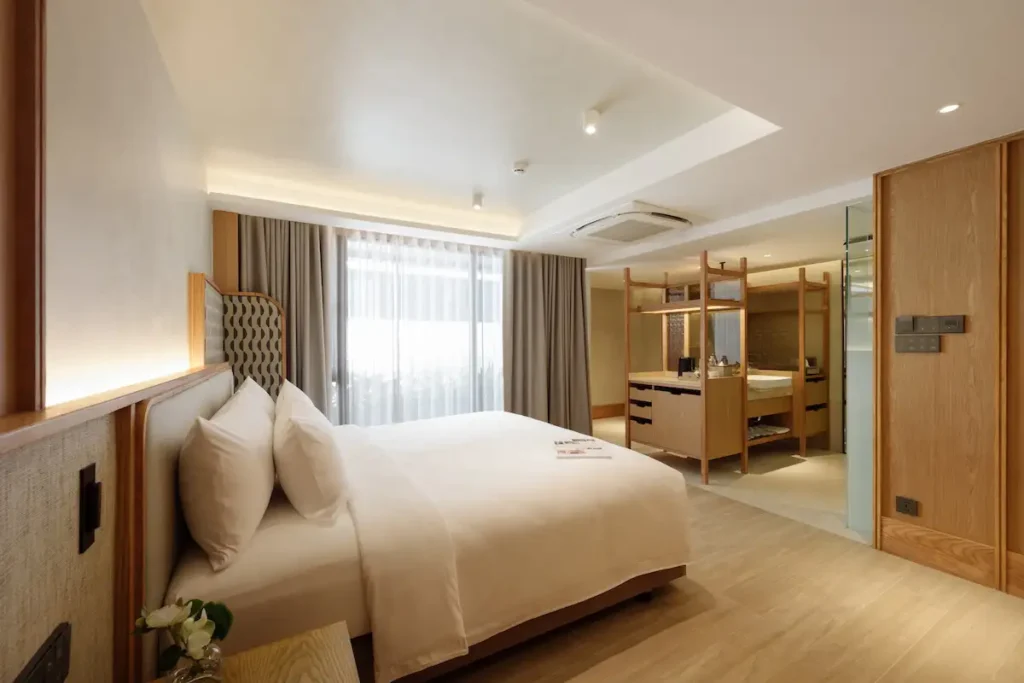
For guests based in Sukhumvit, the journey across the city is straightforward, and the return to the quieter streets around Ad Lib Bangkok makes for a natural close to the day. Book direct for the best rate and make the neighbourhood part of your stay.
Frequently Asked Questions
Is the Golden Buddha at Wat Traimit real gold?
Yes. The statue is approximately 83% pure gold and weighs 5.5 tonnes. Guinness World Records recognises it as the world’s largest solid gold statue. Cast in the Sukhothai style during the 13th century, it remained hidden beneath a stucco coating for nearly 200 years. During a 1955 relocation, the outer surface cracked and revealed the gold beneath. The statue displayed today is the original image in its unaltered form.
How do I get to Wat Traimit from Sukhumvit?
Take the BTS to Asok Station, transfer to the MRT at Sukhumvit Station, and continue to Hua Lamphong. From Hua Lamphong, Wat Traimit is approximately a 5–10 minute walk. From Ad Lib Bangkok, the hotel’s Tuk-Tuk shuttle connects with the BTS, making the overall journey roughly 30–40 minutes door to door.
Is the Golden Buddha the same as the one at Wat Paknam?
No. They are two separate temples with very different Buddha statues. Wat Traimit in Chinatown houses the historic 5.5-tonne solid gold Buddha featured in this guide. Wat Paknam Phasi Charoen in western Bangkok is home to a modern Buddha approximately 69 metres tall, covered in green glass mosaic and visible from the canal. Both are worth visiting, but they are separate attractions that are best experienced on different trips.




![[2026] Best 10+ Shopping Malls in Bangkok near Ad Lib Bangkok Hotel](https://www.adlibhotels.co/wp-content/uploads/2026/06/Terminal-21-Asok.webp)