Best Time to Visit Bangkok, Thailand: A Season-by-Season Guide
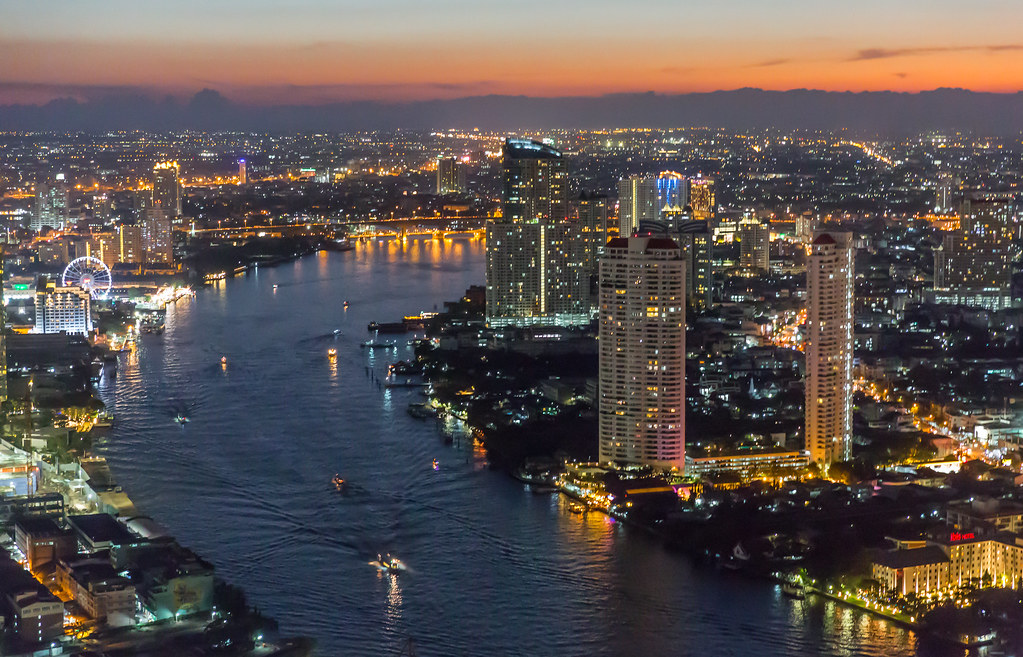
There is no single best time to visit Bangkok, the right timing depends on what kind of city you want to find. Generally, Bangkok is a city that changes character with the calendar. So the same temple courtyard that feels still and golden in December can feel heavy and close in May.
For most travellers, the cool season (November to February) is the most comfortable window. But Bangkok also rewards those who arrive in April for Songkran, or who prefer the quieter pace of an August morning to the energy of high-season crowds.
This guide breaks down what each season actually feels like on the ground, which events are worth planning around, and how to match your timing to your travel style.
Bangkok’s Three Seasons
Bangkok’s tropical climate follows three distinct seasons, each shaping the city’s price and atmosphere.
| Season | Months | Temp Range | Rainfall | Crowds | Price |
| Cool | Nov–Feb | 21–32°C | Low | High | High |
| Hot | Mar–May | 27–39°C | Low–moderate | Moderate | Moderate |
| Rainy | Jun–Oct | 25–33°C | High (Sep peak) | Low | Low |
Bangkok’s cool season is still warm by most standards, even in December, daytime temperatures sit above 28°C. The difference is lower humidity and the near-absence of rain, instead of any genuine cold.
November to February: Bangkok at Its Most Comfortable
November to February is the ideal time to enjoy Bangkok. Temperatures range from 25–32°C with lower humidity, while nights are pleasantly cool at 22–24°C, which is perfect for leisurely outdoor dining or strolling through temple grounds without constantly seeking shelter from the sun.
During this season, the city feels more open and airy. Delightful experiences during this season include gliding along the canals in a long-tail boat at 8 a.m. and strolling through spacious night markets among the bustling crowds. Rooftop bars and riverside terraces make for excellent evening spots, while Bangkok’s historic neighborhoods, such as Charoen Krung, Talat Noi, and Rattanakosin Island, are promising for savoring the leisurely pace of life that defines them.
For guests staying in Sukhumvit, these riverside areas are a short trip but a different world. Explore dining at Ad Lib Bangkok to see what a cool-season evening looks like from a quiet alley near the BTS.
The Trade-off is Crowd Levels
December and January bring Bangkok’s highest visitor numbers, particularly around New Year’s Eve and Chinese New Year. Therefore, reserving two to three months ahead is advisable for these windows.
Festivals and Events to Know (November to February)
- Loy Krathong (November, full moon): Candlelit floats drift along the Chao Phraya and its klongs in one of Thailand’s most memorable evenings. Plan to be near the river after dark.
- New Year’s Eve (December): Fireworks and rooftop celebrations across the city, meaning reserve dining and bar spots well in advance. This is one of Bangkok’s busiest nights of the year.
- Chinese New Year (January or February): The date shifts with the lunar calendar each year. Yaowarat Road in Chinatown is the centre of celebrations, with dragon dances, lanterns, and outstanding street food along the full length of the road.
- Bangkok Design Week (January or February): Around ten days of exhibitions, workshops, and markets spanning Charoenkrung, Talat Noi, and Phra Nakhon. Verify current dates with the organisers before planning.
March to May: Intense, Festive, and Rewarding
March through May is when Bangkok builds to its hottest. April typically sees daytime temperatures of 36–39°C, and some afternoons climb higher still once humidity factors in. That said, the season requires a different approach to the day.
How to Deal with The Hot
Mornings are the key since before 10am, the Grand Palace and Wat Pho are measurably more manageable than at midday. Evenings, once the sun drops, open up again for outdoor dining and night markets.
The middle of the day is the natural time to retreat. Visitors should move into air-conditioned malls, museum galleries, or a hotel rooftop pool. A shaded courtyard or a cool pool earns its place in this season in a way it rarely needs to in the cooler months.
Air Quality Concern
March carries an additional consideration. Bangkok’s air quality can dip noticeably, partly due to agricultural burning in northern Thailand, and the AQI can reach levels that are uncomfortable for visitors sensitive to air pollution. So, checking a live monitor such as IQAir before booking for March is a reasonable precaution.
In fact, air quality generally improves through April and May.
Festivals and Events to Know (March to May)
April brings Songkran, Thailand’s New Year water festival.
From 13 to 15 April, Bangkok becomes a city-wide water fight, with Silom Road and Khao San Road at its most chaotic and celebratory. It is hot, crowded, and genuinely joyful, and most accommodation fills as quickly as peak cool-season dates.
Three to four months’ advance notice for a reservation is sensible. Find your room at Ad Lib Bangkok and plan well ahead if Songkran is the draw.
May stays hot but sees the first afternoon showers, which take the edge off the heat and signal the approach of the rainy season. Hotel prices begin their descent toward low-season rates.
June to October: Bangkok’s Overlooked Window
Bangkok’s rainy season has an unfairly bleak reputation. Most days in the early rainy months feature several dry hours, with heavy showers arriving in the late afternoon or evening, clearing within an hour, and leaving the air slightly fresher than before.
Therefore, mornings in June, July, and August are often perfectly workable for sightseeing.
Affordable and Quieter Trip
Hotel rates fall well below peak-season levels but it doesn’t mean there will be less cultural events to join in.
- The Amazing Grand Sale runs from June through August, with genuine discounts at Terminal 21, MBK Centre, and Siam Paragon. For visitors who include shopping in a Bangkok trip, this season offers the best value across both accommodation and retail.
- Outdoor attractions are quieter, canal boats have space, and Chatuchak Weekend Market on a Sunday is a very different experience without a December crowd.
Peak of the Rainy Season
September is the one month that requires honest caution. Rainfall averages around 335mm, showers can last for hours, and localised flooding is a real possibility in parts of the city.
For anyone travelling in September, choosing accommodation in an elevated area of Sukhumvit, keeping outdoor plans flexible, and having indoor alternatives ready is a practical approach.
October, otherwise, marks the turn when rain eases through the second half of the month, the air cleans, and by late October Bangkok is quietly preparing for its best season.
The rainy months also reveal a different city. An afternoon in the rain, moving between Chinatown’s covered lanes and a cooking class or spa session, is not a consolation itinerary. It is a different Bangkok.
Discover Ad Lib Bangkok in Sukhumvit as a calm base for exploring the city across any season.
Which Season Suits You Best?
The answer depends on what kind of Bangkok trip you have in mind.
| Criteria | Time |
| First-time visitors | November, due to:
|
| Festivity and atmosphere | December and January:
|
| Songkran | April, with:
|
| Value and quiet | July and August:
|
| Design-led travel | February:
|
| Worth approaching carefully |
|
Conclusion
Bangkok holds something in every season. What changes is the pace and the kind of day the city invites you to have. Getting the timing right is less about finding the perfect season and more about knowing which one fits your rhythm.
Wherever your travel window falls, a stay in Sukhumvit gives you a calm base within reach of Bangkok’s best dining, markets, and riverside neighbourhoods. At Ad Lib Bangkok, a banyan-shaded courtyard, year-round outdoor dining at Living Room, and a rooftop pool are available across every season.
Frequently Asked Questions
Which month is the best to visit Bangkok?
November is the most consistently recommended month. The cool season has settled in, humidity is lower, and Loy Krathong on the full moon creates one of Bangkok’s most atmospheric evenings. December and January are more festive but also busier and more expensive. February is another strong option, offering comfortable weather, fewer crowds than January, and Bangkok Design Week for design-minded visitors.
What should I pack for Bangkok?
Light, breathable clothing is essential year-round. From November to February, bring a thin layer for breezy evenings and something to cover your shoulders and knees when visiting temples, a lightweight scarf works well. During the hot season, pack sun protection, a hat, and a reusable water bottle. In the rainy season, a compact umbrella and waterproof sandals can make exploring the city much more comfortable.
Is Bangkok worth visiting during the rainy season?
Yes. Bangkok’s rainy season is often better than expected. In June, July, and August, most days still include several dry hours, while brief afternoon showers typically clear within an hour. Hotel rates are generally at their lowest, crowds are lighter, and the Amazing Grand Sale makes this period particularly appealing for shopping. Plan outdoor activities for the mornings, keep indoor alternatives available for rainy afternoons, and consider avoiding September if significant weather disruption would affect your trip.