10+ Best Hotels in Khon Kaen with Modern Design

1. Ad Lib Khon Kaen

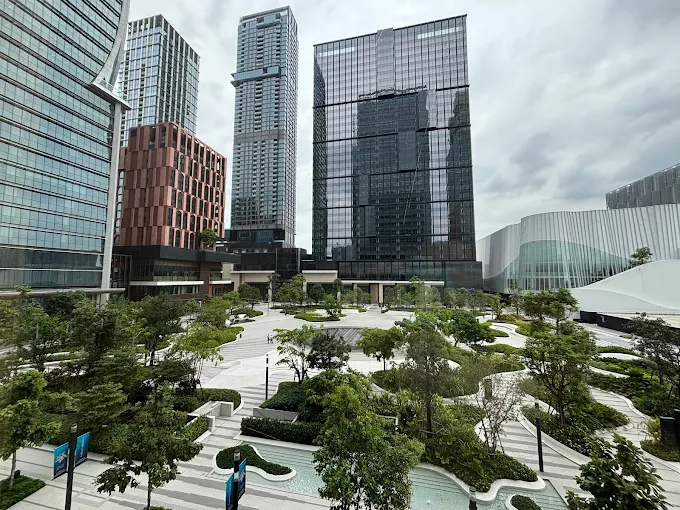
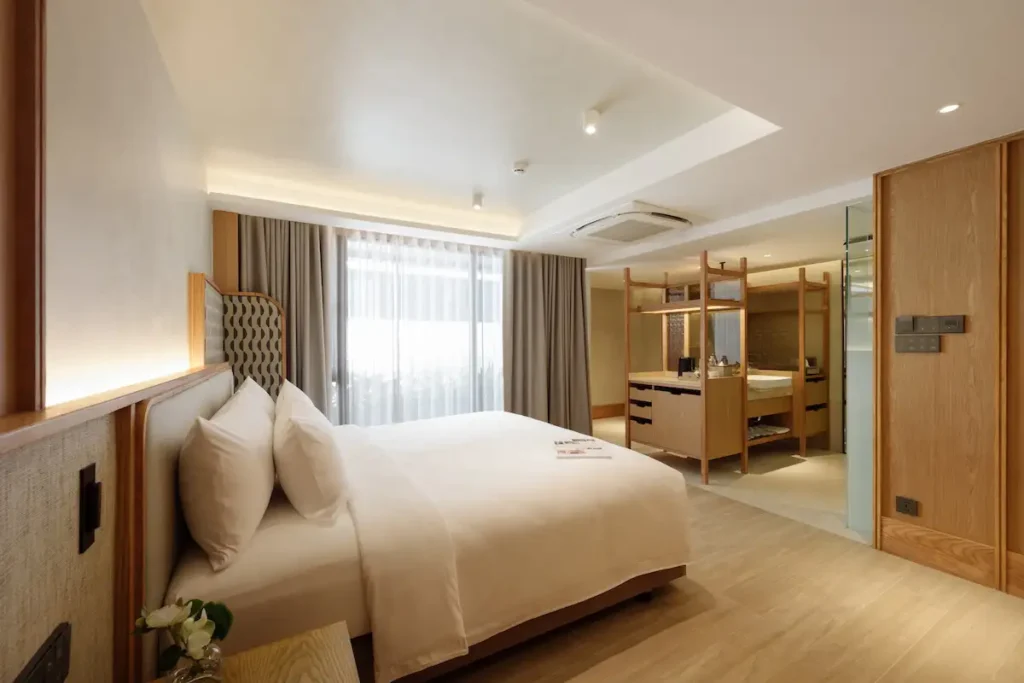
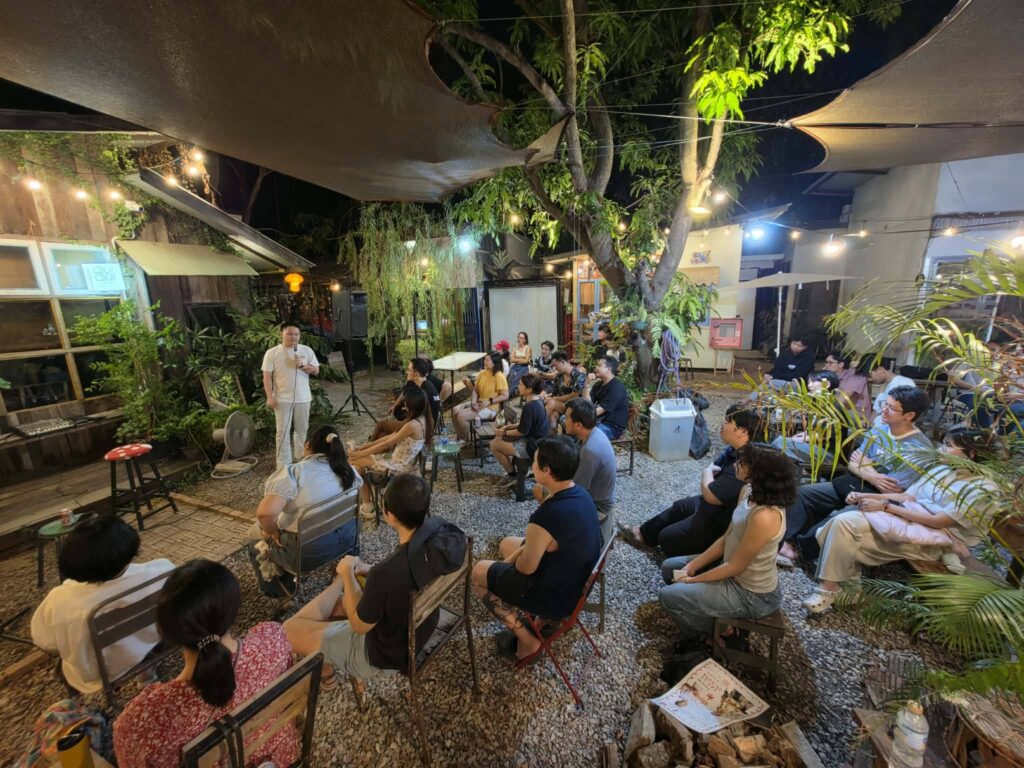
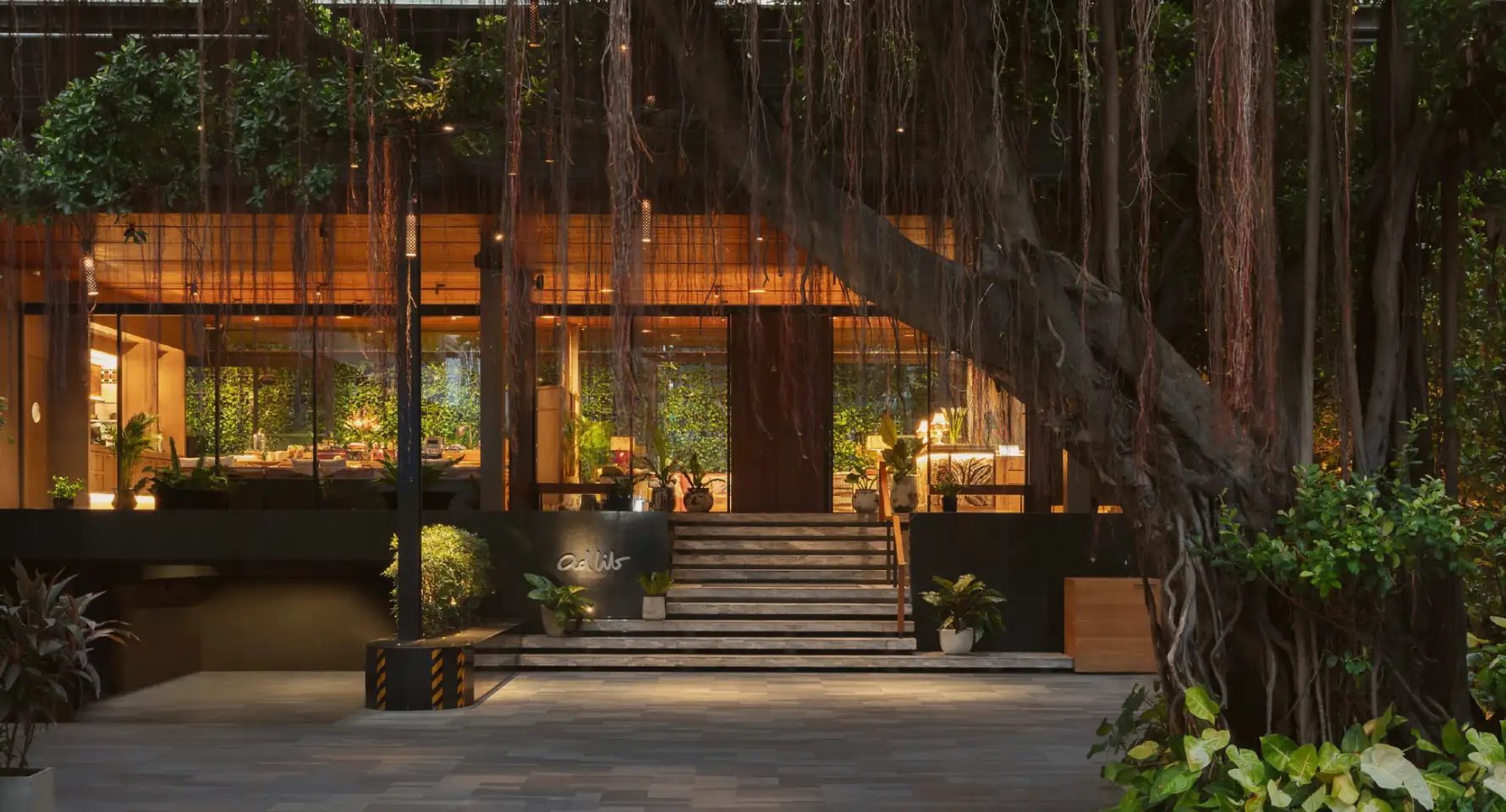
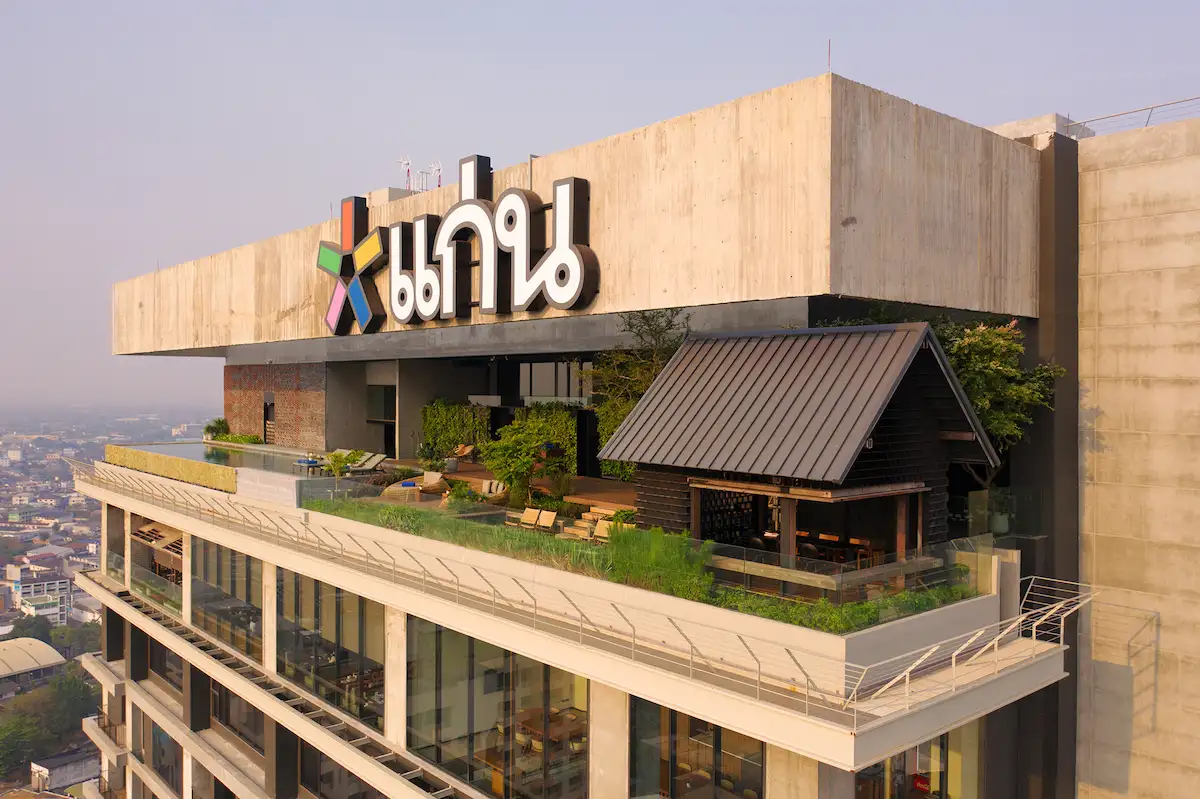
Ad Lib Khon Kaen is the city’s most design-intentional hotel. It opened in September 2022 within the Khon Kaen Innovation Centre complex on Srichan Road and draws deliberately on Isan craft traditions throughout: handwoven textiles, rattan furnishings, and woodwork referencing Northeast weaving patterns run through the rooms and common areas. This is not decorative Isan applied as an afterthought. It is the material that defines what the building feels like.

Room categories run from the Kaen Deluxe through to the Corner Suite Plus, with floor-to-ceiling windows across most categories and city panoramas from the upper floors. View the full room categories and suite options before booking. 

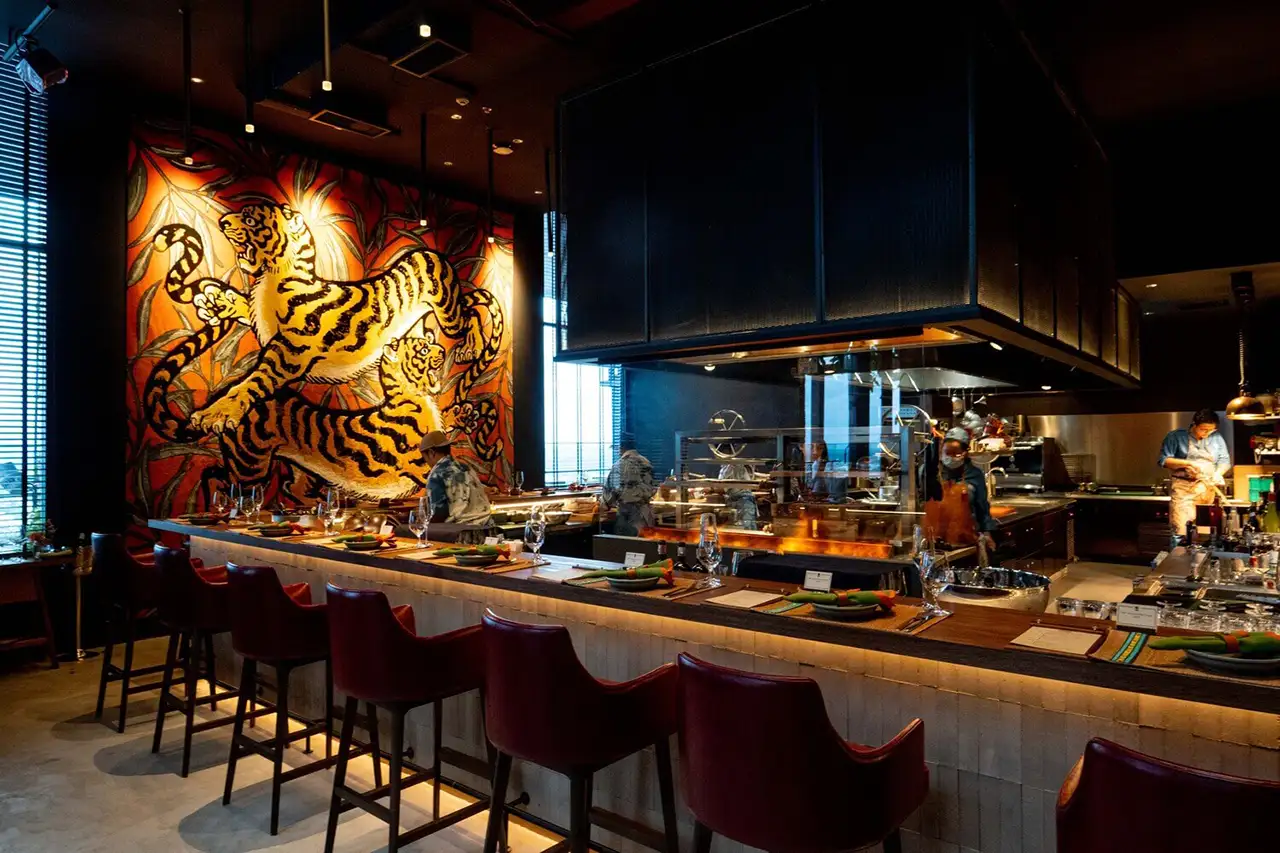
On the 27th floor, Food by Fire brings an Isan open-flame cooking philosophy to a proper dining context, combining regional ingredients and fire techniques at its core – proudly featured in the Michelin Guide 2026. KaenKaew Live House functions as a rooftop cocktail bar and live music venue, hosting monthly concerts open to guests and the public alike. Seasons 27 handles all-day dining on the same floor. At street level, Kaen Ground operates as a speciality café and private meeting space. Explore the full dining programme at Ad Lib Khon Kaen.
The rooftop infinity pool overlooks the city skyline. The property is supplemented by approximately 900 MWh of solar energy per year, making it the first hotel of its kind in the Khon Kaen region to operate at this scale. Central Plaza Khon Kaen is 800 metres away and Khon Kaen Train Station is 1 kilometre from the property.

Ad Lib Khon Kaen is pleased to announce the opening of new guest rooms on the 17th and 18th floors, introducing the expanded Kaen Plus tier, alongside a dedicated Family floor on the 16th floor. The new rooms feature a refreshed spatial layout and updated furniture design, with carefully layered textures and thoughtful details that create a warmer, more elevated atmosphere—while remaining true to Ad Lib’s distinctive character.

2. Pullman Khon Kaen Raja Orchid

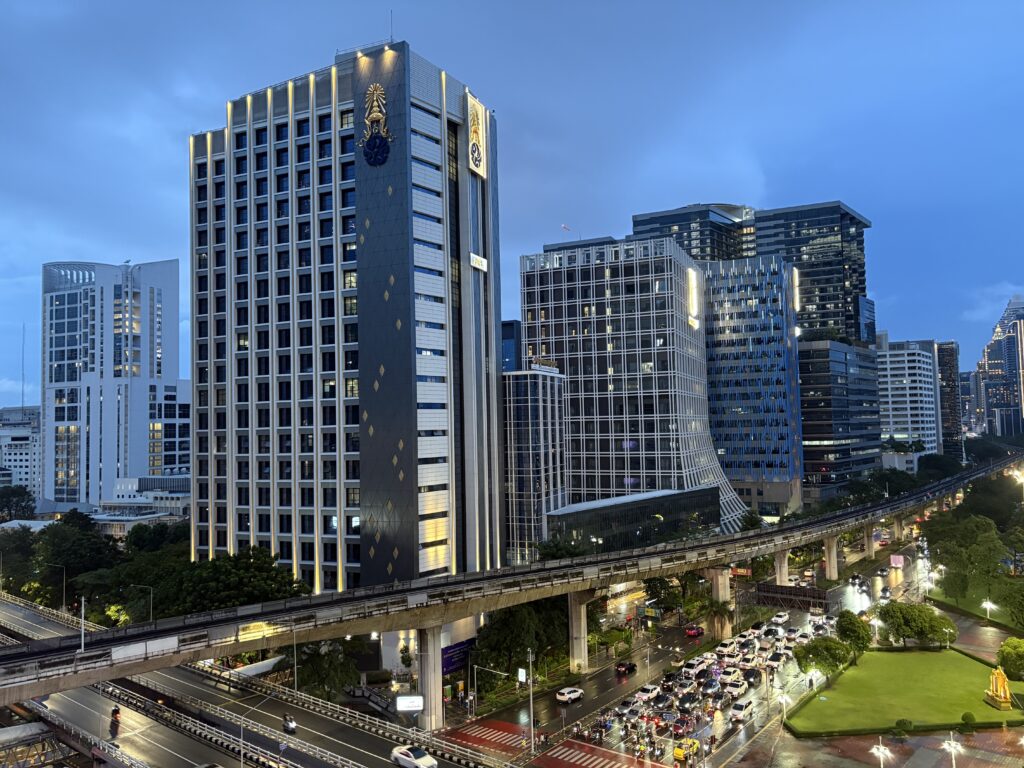
The Pullman Raja Orchid sits in the city’s CBD with 293 rooms and suites across Superior, Deluxe, Junior Suite, and Executive Suite categories. Rooms run from 43 to 46 sqm, suites from 63 to 85 sqm, all finished in a chic, neutral palette with separate shower and bathtub as standard. 

Soundproofing and blackout curtains throughout help offset the central city location. A full convention centre within the complex makes this the natural choice for MICE delegates and corporate guests requiring dedicated event infrastructure.

3. Avani Khon Kaen Hotel & Convention Centre

With 196 rooms across five categories, from the entry-level Avani Room to the Royal Suite, Avani Khon Kaen balances business functionality with liveable design. Seven dining outlets cover breakfast through to evening drinks, including a craft beer bar with self-service taps. 

An outdoor pool, spa with an Isan Signature massage treatment, and a modern fitness centre complete the facilities. SHA+ certified. The property sits near Khon Kaen National Museum, Khon Kaen University, and Central Plaza, approximately 15 minutes from Khon Kaen Airport by road.

4. Nadee 10 Resort & Hotel

Nadee 10 takes an industrial loft direction that sets it apart from the convention-hotel architecture dominant in this city. A saltwater swimming pool sits within a lush garden setting, giving the property a resort feel unusual for a city address. Balconies look out over the Khon Kaen skyline. 

The four-star property is ranked among the top three hotels in the city on TripAdvisor in 2026, with reviews consistently noting its atmosphere and design quality. Located approximately 2 kilometres from Khon Kaen Train Station and 3.4 kilometres from Kaen Nakorn Lake.

5. Glacier Hotel Khon Kaen

The Glacier commits fully to an Arctic design concept: a white-and-icy-blue lobby, icicle-shaped poles, and pod-shaped loungers create a winter-wonderland effect before you reach the rooms, which are warm and well-finished by comparison. 

Located on Prachasamran Road within walking distance of Central Plaza Khon Kaen and Ton Tann Night Market, and close to Khon Kaen Train Station. Rooms across the Superior, Deluxe, and Premium categories run from 30 to 40 sqm. The hotel was renovated in 2024. Good design credentials at a mid-range price point.

6. The Heritage Grand Khon Kaen Hotel and Convention

Rated the number one hotel in Khon Kaen on TripAdvisor in 2026, the Heritage Grand is the most consistently reviewed property in the city. Modern rooms offer city and lake views. A rooftop pool, full-service spa, and in-house convention facilities serve both leisure and business guests. 

The central location puts night markets, restaurants, and shopping within easy reach on foot. The benchmark choice for travellers who prioritise service reliability and facility breadth over boutique personality.

7. Kosa Hotel & Wellness Center

A well-maintained four-star with a genuine wellness focus, Kosa Hotel sits centrally near night markets and Central Mall. Recent upgrades brought a 43-inch Smart TV with streaming built in, updated gym equipment, and a refreshed pool and professional wellness centre. 

The wellness services appear frequently in guest reviews as a deciding factor. Rooms are spacious and clean, and efficient service and easy parking make this a dependable choice, particularly for Thai domestic travellers and repeat business visitors.

8. B2 Khon Kaen Premier Hotel

Modern and minimalist, B2 Khon Kaen Premier is a newer property approximately 1.6 kilometres from Central Plaza Khon Kaen and 2.1 kilometres from Khon Kaen University. Its 79 rooms offer LED televisions, refrigerators, and complimentary WiFi, with free on-site parking available. 

The location puts the city’s day and night markets within walking distance. Clean design, consistent service, and practical pricing make this a solid mid-range option for guests who want a contemporary feel without the convention-hotel scale.

9. The Cotton Tree Hometel

A quieter boutique option that opened in October 2020, the Cotton Tree Hometel sits 4.5 kilometres from Central Plaza with a garden setting, shared terrace, and shared lounge. Four-star category. 

Close to Khon Kaen University and approximately 9 kilometres from the airport. Private bathrooms include hairdryers and slippers. The residential feel and lower-density environment make it a considered choice for longer stays or for guests who prefer calm over city-centre proximity.

10. Khon Kaen Hotel

The long-running Khon Kaen Hotel on Pimpasut Road underwent a significant interior renovation that gave the rooms a considerably more contemporary feel than the plain concrete exterior suggests. Fresh wall-to-wall carpeting, large windows, dark-wood headboards, grey-cloth lanterns, and rain showers in modern bathrooms transformed the interior. 

Buffet breakfast is served in a spacious lobby-adjacent dining room with traditional Thai wood furniture. Staff receive consistently positive reviews for warmth and English-language service. A practical mid-range option in a walkable central location with more character than the price point implies.

Best for: Budget-conscious design travellers, guests wanting a central address with a renovated interior.

How to Choose the Right Hotel for Your Trip?

Hotel choice in Khon Kaen depends on trip type and preferred neighbourhood. 

The Innovation Centre corridor on Srichan Road, where Ad Lib Khon Kaen sits, gives the best access to the city’s newer dining and cultural programming. 

The CBD near the Pullman offers maximum commercial and transport convenience. Avani, the Heritage Grand, and Kosa cluster near the museum and university precinct. 

Nadee 10 and The Cotton Tree offer a more residential atmosphere at a slight remove from the commercial centre.

Details about hotels, venues, and attractions in this guide are provided for orientation. Confirm current rates, availability, and facilities directly with each property before booking.

Trip Type Best Pick Standout Reason
Design and culture Ad Lib Khon Kaen Isan craft interiors, rooftop pool, live music, open-flame dining
Business, large-scale conferences Pullman Khon Kaen Raja Orchid Only international 5-star, in-house convention centre
Business, mid-scale conferences Avani Khon Kaen 196 rooms, 7 dining outlets, full convention access
Boutique escape Nadee 10 Resort & Hotel Saltwater pool, garden setting, loft design
Design on a mid-range budget Glacier Hotel Khon Kaen Distinctive concept, walkable central location
Longer stays or near the university The Cotton Tree Hometel Garden, quiet, four-star boutique

Conclusion

Khon Kaen’s best hotels no longer compete on room size and convention square footage alone. The properties in this guide share a commitment to design and a sense of place, whether that means Isan craft materials throughout a rooftop lifestyle hotel, an Arctic-concept lobby in a mid-range city property, or a saltwater garden pool in a loft boutique. Choosing the right base shapes how you experience the city.

For a stay that connects you directly to Isan culture, fire-kitchen dining, and live music in Northeast Thailand, explore rooms and dining at Ad Lib Khon Kaen and book direct for the best available rate. Ad Lib Members receive up to 15% off every stay, along with complimentary breakfast and direct-booking perks. Register free at members.adlibhotels.co.

Subject to availability. Terms and conditions apply. Book direct at adlibhotels.co for the best rate.

Frequently Asked Questions

What is the best hotel in Khon Kaen for design-conscious travellers?

Ad Lib Khon Kaen is the city’s most design-led boutique property, with Isan craft materials running through the rooms and common spaces, a rooftop infinity pool, and KaenKaew Live House on the upper floor. For a smaller-scale boutique alternative, Nadee 10 Resort & Hotel offers an industrial loft design with a saltwater pool and garden setting. Both are among the top-rated hotels in Khon Kaen on major review platforms.

Is Khon Kaen worth visiting for leisure, or is it mainly a business destination?

The leisure case for Khon Kaen is strong and growing. The city offers Isan cuisine, a year-round night market scene, the Khon Kaen International Silk Festival in December, Bueng Kaen Nakhon Lake, cultural temples including Wat Nong Wang, and day trips to Phu Wiang National Park. Several newer hotels, including Ad Lib Khon Kaen, are designed around leisure and cultural travel rather than the city’s older business-conference format.

How far are Khon Kaen hotels from the airport?

Most centrally located hotels sit within 13 to 15 kilometres of Khon Kaen Airport, typically a 10 to 15-minute drive depending on traffic. Ad Lib Khon Kaen is approximately 13 kilometres from the airport, while Avani and Heritage Grand are both around 15 minutes by road. Confirm current transfer options directly with your chosen property before arriving.

What is the best time of year to visit Khon Kaen?

November to February is the coolest and most comfortable window for travel. December is especially well timed because the Khon Kaen International Silk Festival typically runs in late November to early December, bringing silk exhibitions, cultural performances, and markets to the city. Songkran in April brings festive energy but significantly higher temperatures.

Can I visit Ad Lib Khon Kaen’s restaurants and bar without staying at the hotel?

Yes. KaenKaew Live House, Food by Fire, Seasons 27, and Kaen Ground are open to walk-in diners and event attendees, not only hotel guests. KaenKaew Live House also hosts monthly concerts that are open to the public. Programming changes regularly, so confirm current dates and line-ups directly with Ad Lib Khon Kaen before your visit.
10+ Best Hotels near Queen Sirikit National Convention Center Bangkok

Event days at QSNCC move quickly. Between early sessions, afternoon panels, and evening networking, the hotel you choose matters as much as any other logistics – it shapes how each morning starts and how well you recover each night.

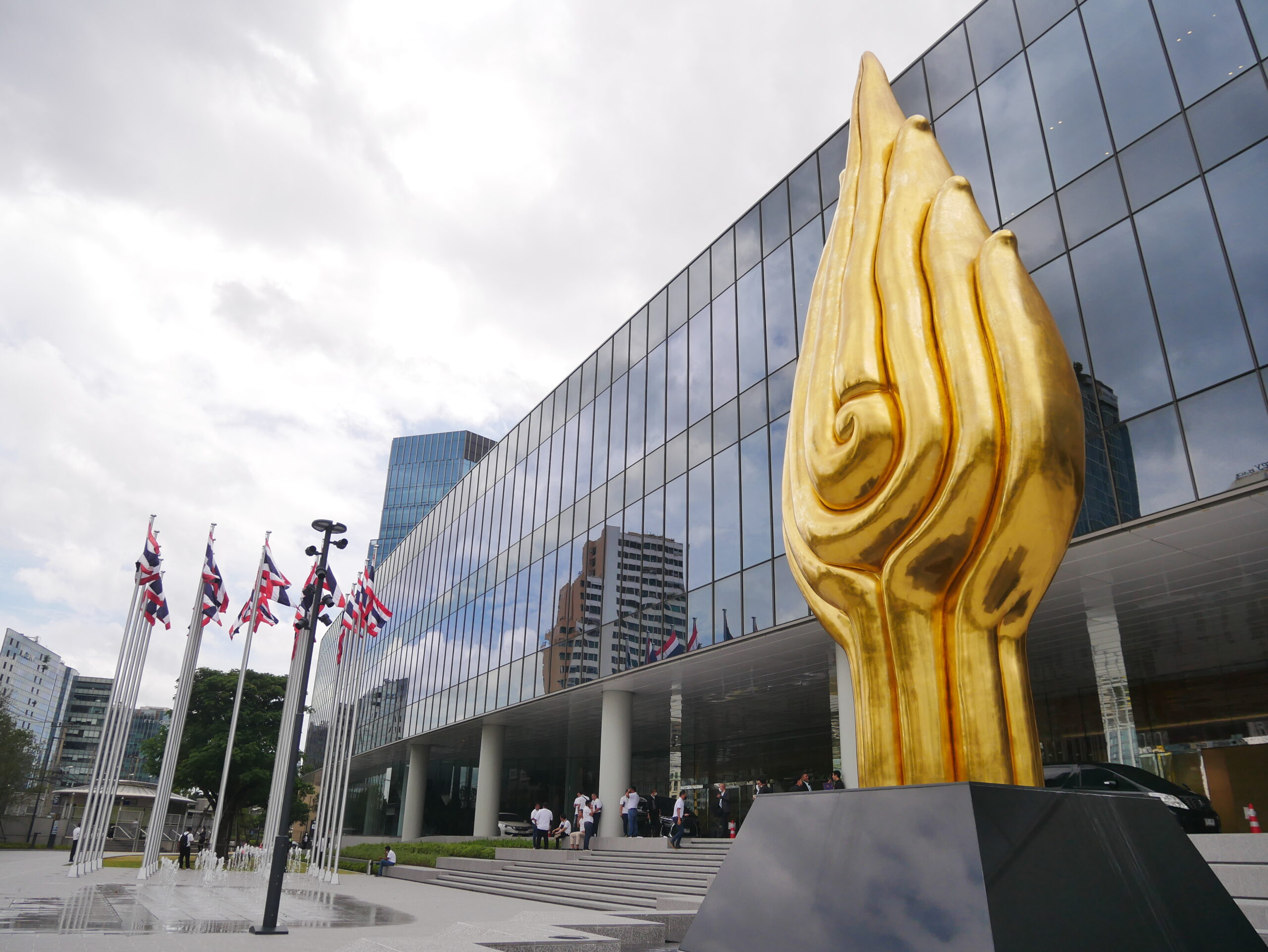
Queen Sirikit National Convention Center is one of Bangkok’s best-connected venues, with a direct MRT tunnel into its exhibition halls and a range of accommodation sitting within one to two stops in every direction. Options stretch from purpose-built satellite hotels adjacent to the venue, to design-led boutique stays along Sukhumvit, to upscale properties a short taxi ride away in Ploenchit and Langsuan.

This guide covers 10+ of the best hotels near QSNCC Bangkok, grouped by proximity zone and travel time, so you can find the right base for how your event is likely to run.

What to Know About QSNCC Before You Book?

QSNCC (Queen Sirikit National Convention Center) sits on New Ratchadapisek Road in central Bangkok. It has hosted over 20,000 national and international events across its exhibition halls, plenary auditoriums, and meeting rooms, making it Thailand’s flagship venue for trade shows, corporate conferences, and large-scale conventions.

For delegates, the venue’s most useful feature is its MRT connection. The Blue Line runs directly to Queen Sirikit National Convention Center station, and Exit 3 leads through a covered tunnel into the exhibition halls. No heat, no traffic, no hunting for a taxi. The most efficient approach from the Sukhumvit corridor: take the BTS to Asok, interchange to the MRT Blue Line, and ride one stop south to the station.

Three proximity zones cover the main hotel options near QSNCC:

  • First, the immediate station area: walking distance from the venue. 
  • Second, the Sukhumvit and Asoke corridor: one MRT stop north. 
  • Third, the Ploenchit and Langsuan area: around ten to fifteen minutes by taxi. 

Beyond the convention halls themselves, Benjakitti Forest Park, a large and genuinely modern green space directly adjacent to QSNCC, is worth a walk between sessions for anyone with time to spare.

For transport details and the current events calendar, see the official QSNCC visitor page.

The Best Hotels Near QSNCC Bangkok

Sukhumvit and Asoke – One MRT Stop from QSNCC

One interchange at BTS Asok, one stop on the MRT Blue Line: that is the commute from hotels in this zone to QSNCC’s exhibition halls. The Sukhumvit and Asoke area also sits at the centre of Bangkok’s dining, shopping, and post-event options – a useful combination when the conference day is done.

Ad Lib Bangkok – Nature Boutique & Biophilic Design Hotel

In a quiet alley off Sukhumvit, beneath a century-old banyan tree, Ad Lib Bangkok is a boutique lifestyle hotel built around the character of its neighbourhood. The hotel received a World Architecture Award in 2016 and earned Tripadvisor Travellers’ Choice recognition in 2025, grounded in contextual design rather than scale. Rooms range from 25 sqm Superior rooms to Premier Suites with private terraces and jacuzzis, all within a building that feels considered rather than generic.

The Living Room restaurant serves Italian long-table dishes, Thai favourites, high tea, and cocktails in a garden setting that reflects the calm of the alley outside. A rooftop pool looks across the Bangkok skyline. Guests travelling with pets will also find Ad Lib Bangkok one of the few boutique city hotels in this zone that actively welcomes them.

For delegates, the hotel’s tuk-tuk shuttle connects to BTS Asok, from where one MRT interchange and a single stop reaches QSNCC station. It is a commute that feels distinctly more Bangkok than sitting in a taxi on Ratchadapisek Road. Those who want a design-led retreat between conference days, rather than another anonymous tower, will find this a considered base in the heart of Sukhumvit. 

Explore rooms and book direct at Ad Lib Bangkok for the best rate.

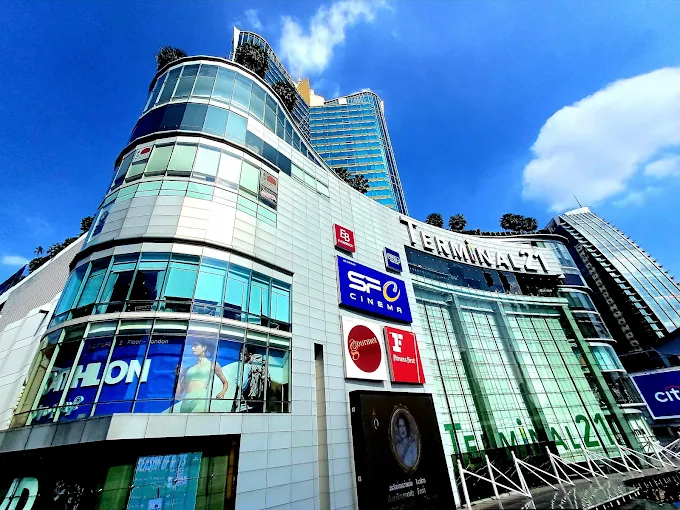
Grande Centre Point Terminal 21

Positioned within the Terminal 21 mall at the Asok BTS/MRT interchange, Grande Centre Point places delegates at Bangkok’s most connected transit point. Spacious rooms, conference facilities, an infinity pool, and 24-hour service make it a reliable full-service choice for those who want everything consolidated in one building.

Gardina Asoke Hotel & Residence

Consistently among the top-reviewed properties near QSNCC on TripAdvisor, Gardina Asoke takes a residential-apartment approach to city stays. Room sizes lean generous, service is attentive, and the Asoke location keeps QSNCC one MRT stop away. A strong choice for multi-day stays where comfort matters as much as convenience.

Rembrandt Hotel Bangkok

The Rembrandt sits on Sukhumvit Soi 18 and offers something relatively rare in this zone: a complimentary shuttle service to QSNCC during major conventions. A four-star property with established meeting facilities, direct booking discounts, and an on-site Mexican restaurant, it suits delegates whose schedule requires a predictable and effortless commute to the venue.

Valia Hotel Bangkok

A mid-scale boutique option near the Asoke interchange, Valia earns consistent reviews for clean, modern rooms and direct service. It suits delegates whose priority is location over amenity depth, with the MRT stop within easy reach and a competitive price point for Bangkok’s central belt.

Amara Bangkok Hotel

Amara Bangkok takes a lifestyle-leaning approach on Sukhumvit, with a rooftop pool, contemporary rooms, and on-site dining. It suits delegates who want to balance conference attendance with some city exploration, with the Sukhumvit location supporting both without requiring a taxi.

Walking Distance from QSNCC Station

For delegates attending multi-day events where every hour counts, the properties in closest proximity to QSNCC station offer the most self-evident advantage: a commute measured in minutes on foot.

Wyndham Bangkok Queen Convention Centre

This is the purpose-built satellite hotel directly adjacent to QSNCC, and if proximity is the only criterion, it answers it without ambiguity. Branded comfort, on-site dining, and meeting facilities that complement the convention centre next door make it the natural first choice for delegates with a packed schedule and no appetite for a commute.

Spark Hotel MRT Queen Sirikit

Steps from the Queen Sirikit National Convention Center MRT station, Spark Hotel positions itself clearly for the event-visitor market. Rooms are compact and contemporary, and the value-for-money positioning makes it a practical option for solo delegates or those keeping accommodation costs lean.

Ploenchit and Langsuan – 10 to 15 Minutes by Taxi

Hotels in this zone are not adjacent to QSNCC, but they offer something the nearer areas often do not: quieter residential streets, more green space nearby, and in some cases, the most considered hotel amenities in the city. A short Grab or a couple of MRT stops covers the distance.

Eastin Grand Hotel Phayathai

Frequently cited among the most-booked hotels for QSNCC events on major booking platforms, the Eastin Grand is a full-service property that suits larger corporate groups. Four-star facilities, conference-adjacent positioning, and a familiar brand standard make it a reliable choice for delegates combining a QSNCC event with broader Bangkok business travel.

Kimpton Maa-Lai Bangkok

Set in the Langsuan neighbourhood approximately four kilometres from QSNCC, Kimpton Maa-Lai is one of Bangkok’s most considered five-star properties. The rooftop Bar.Yard, multiple dining venues, a spa, and a pet programme with genuine depth make it an easy recommendation for delegates who want a full luxury experience rather than proximity alone. MRT access via Lumphini or Silom stations provides a direct Blue Line connection to QSNCC in around ten minutes.

Sindhorn Midtown Hotel Bangkok (Vignette Collection by IHG)

Part of the Sindhorn Village development on Langsuan Road, this IHG property sits 400 metres from BTS Chit Lom and around ten minutes from QSNCC by taxi. ANJU Korean Rooftop Restaurant and Bar on the 31st floor and an 18th-floor infinity pool round out a genuinely complete luxury stay. Meeting facilities and a central positioning suit delegates whose Bangkok trip combines conference attendance with client meetings across the city.

Getting from Your Hotel to QSNCC

The most reliable door-to-venue route from Sukhumvit-area hotels follows three steps:

  • Travel to BTS Asok station (walk, tuk-tuk, or hotel shuttle, depending on your property), then interchange to the MRT Blue Line underground.
  • Take the MRT Blue Line one stop south to Queen Sirikit National Convention Center station.
  • Follow Exit 3 through the covered tunnel directly into the exhibition halls.

From the Sukhumvit and Asoke area, total travel time is typically under fifteen minutes. From Ploenchit and Langsuan, a Grab or taxi takes around ten to fifteen minutes, though traffic on Ratchadapisek Road can build on peak event days, so the MRT route via Silom or Lumphini is worth considering even from this zone.

Some hotels offer complimentary shuttles to QSNCC during major conventions. The Rembrandt Hotel Bangkok runs this service during large events. Confirm availability directly with your property before building it into your schedule.

For current MRT fares, operating hours, and the official transport map, check the QSNCC “How to Get Here” page before you travel.

Frequently Asked Questions

What MRT station serves QSNCC?

Queen Sirikit National Convention Center station on the MRT Blue Line serves the venue directly. Exit 3 connects through a covered tunnel to the exhibition halls. The Asok/MRT Sukhumvit interchange is one stop north on the Blue Line, which makes the Sukhumvit hotel corridor very convenient for QSNCC events.

Can I walk from the Sukhumvit hotel to QSNCC?

Walking is not practical for most guests. The distance from the BTS Asok area to QSNCC is about two kilometres, and Bangkok’s heat plus road crossings make the walk uncomfortable for most of the year. The MRT from Sukhumvit station to QSNCC station is one stop and usually gets you to the venue entrance in under fifteen minutes.

What is the best area to stay in for QSNCC events?

The Sukhumvit and Asoke corridor offers the best overall balance for most event-goers. It is only one MRT stop from QSNCC, has a wide choice of hotels across different budgets, and gives easy access to dining, shopping, and nightlife. The area is also Bangkok’s main BTS/MRT interchange, so getting around the city is straightforward around your event schedule.

Are there pet-friendly hotels near QSNCC Bangkok?

Yes. Ad Lib Bangkok on Sukhumvit welcomes pets and sits within the Sukhumvit corridor, one MRT interchange and stop from QSNCC. Kimpton Maa-Lai Bangkok, about ten to fifteen minutes from QSNCC by taxi, also has a pet programme worth considering for larger dogs or a five-star stay. Pet policies and any extra terms should always be confirmed directly with the hotel before booking.

HYROX Bangkok: The Complete 2026 Race Guide for Athletes

HYROX arrived in Thailand in May 2025. By March 2026, the Bangkok edition had drawn 17,500 athletes to BITEC in Bang Na, a record for any HYROX event in Asia according to Time Out Bangkok, and the race had already outgrown its venue. 

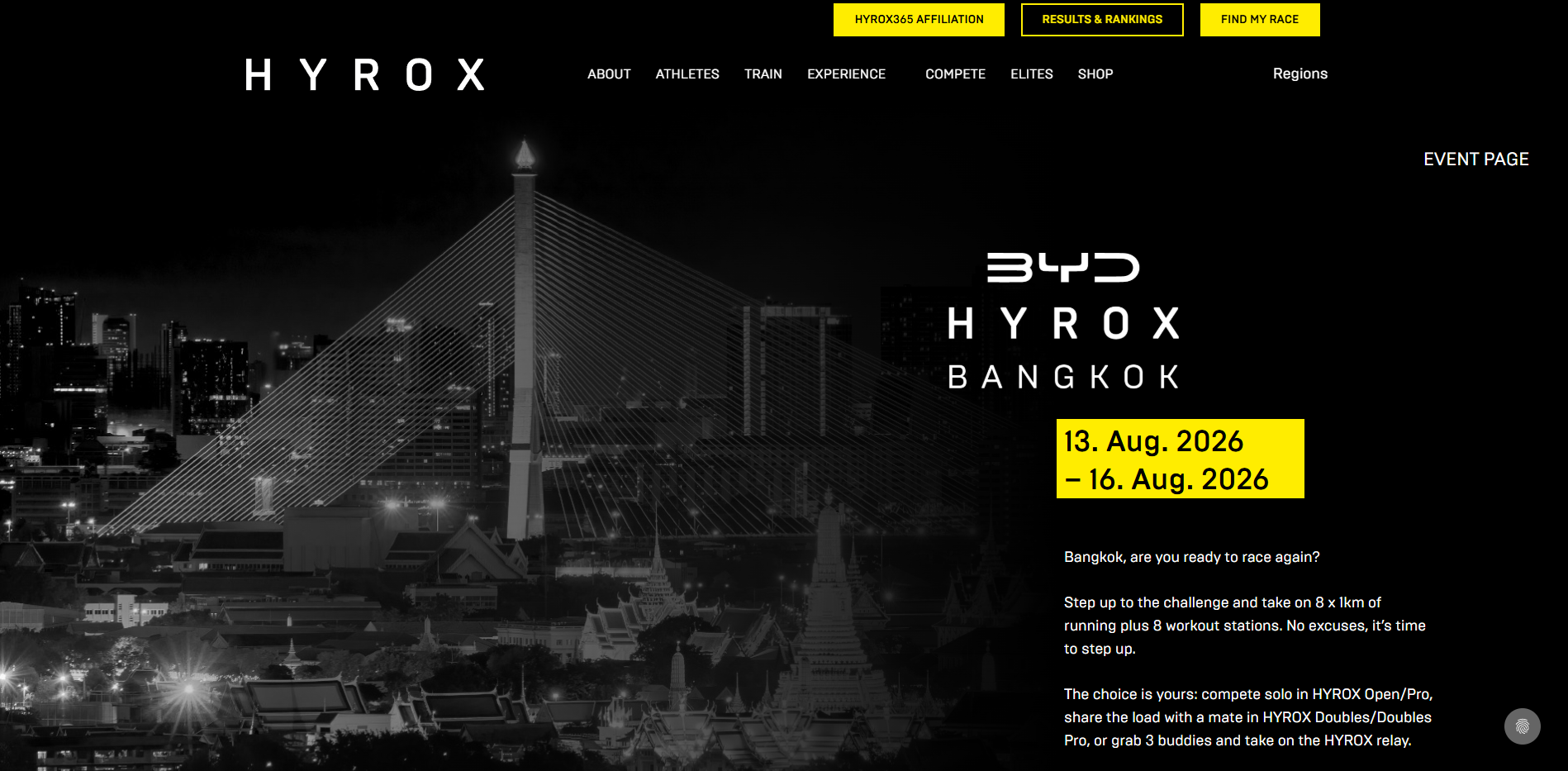
For the third Bangkok edition, HYROX moves to Queen Sirikit National Convention Center (QSNCC), a larger, more central arena in Khlong Toei with direct MRT access, taking place across four days on 13–16 August 2026

Whether you are racing for the first time or flying into the city specifically for the competition, this guide covers everything: the format, the new venue, how to choose your category, what to expect on race day, and how to build a few memorable days in Bangkok around it.

What Is HYROX?

HYROX is a global fitness race built on a single, repeatable format: eight rounds of running, each followed immediately by one functional workout station. The same course runs in every city on the calendar. 

Founded in Hamburg in 2017 by Olympic champion Moritz Fürste and event specialist Christian Toetzke, it fills a gap that traditional running events and strength competitions leave empty: a standardised, measurable challenge for people who train hard in gyms but have never had a race to enter.

The structure is straightforward. Participants run 1 km, complete one station, run 1 km again, and repeat eight times. The stations, in order, are:

  • 1,000 m SkiErg
  • 50 m Sled Push
  • 50 m Sled Pull
  • 80 m Burpee Broad Jumps
  • 1,000 m Rowing
  • 200 m Farmers Carry
  • 100 m Sandbag Lunges
  • 75 or 100 Wall Balls (weight and reps vary by category)

Total running distance: 8 km. No qualification is needed to enter, and there is no time limit. The official HYROX website notes that its oldest finisher is 77. With over 100 global events in the 2025/26 season and more than 550,000 athletes on starting lines worldwide, the race is now the fastest-growing fitness competition of its kind. 

For the full movement standards and rules, the HYROX FAQ is the clearest reference. For ideas on how to fill the days around your race, explore Bangkok beyond race day with Ad Lib Bangkok’s local guide.

HYROX Bangkok 2026: Event Details at the New QSNCC Venue

The third HYROX Bangkok event takes place at Queen Sirikit National Convention Center (QSNCC), a meaningful change from the two previous editions at BITEC in Bang Na. The move brings the race into central Bangkok, on the MRT Blue Line, making it noticeably easier to reach from Sukhumvit and the wider city centre.

The shift to QSNCC also reflects the event’s trajectory. The venue is fully air-conditioned across its halls (a practical consideration for an August race), and the larger footprint accommodates more athletes across a wider set of daily waves. Popular morning wave times tend to sell out first, so early registration is worth prioritising.

Choosing Your Category: Open, Pro, Doubles or Relay?

HYROX offers four race formats suited to different combinations of fitness level and group size.

Category Best For Weight Level
Singles Open First-timers and all fitness levels Standard
Singles Pro Experienced athletes seeking a tougher challenge Heavier
Doubles Open Two athletes splitting the workload Standard
Doubles Pro Experienced pairs ready for heavier loads Heavier
Relay (4 people) Groups, beginners, or teams of mixed ability Standard

For most first-time participants, Singles Open is the natural starting point. The Relay format, where each of four team members completes two runs and two stations, is the most accessible entry for groups or those who want to experience the race day atmosphere before committing to a solo effort. Both formats use the same course and the same stations.

How to Prepare for HYROX Bangkok?

HYROX leans toward conditioning over pure strength, which shapes how preparation time is best spent. The average finishing time recorded by HYROX is 1 hour 32 minutes, though some athletes take closer to three hours, and the race has no cut-off. Getting comfortable running 8 to 10 km at a sustained pace is the clearest single predictor of race readiness. Hybrid circuit training, combining strength and cardio with minimal rest between efforts, closely mirrors the demands of the course.

The eight stations reward specific movement patterns: rowing, sled mechanics, loaded carries, and consistent wall ball output. Practicing these under fatigue, rather than fresh, is how most HYROX coaches structure race preparation in the weeks before an event. 

In Bangkok, BASE Bangkok is the official HYROX partner gym, with Concept2 rowers, SkiErgs, and competition-weight sleds at its Sathorn and Amarin locations. Drop-in access is available for visitors, and HYROX-format classes run daily. For athletes arriving from abroad with only a few days to fine-tune before August, BASE offers the closest replica of race-day conditions available in the city.

Race Day at QSNCC: What to Expect?

Arriving at QSNCC at least two hours before your wave is worth the early start. Check-in requires a valid ID, and wristbands are non-transferable. Your race wristband grants access to the venue only on your assigned race day. Supporters who want to attend on other days will need to purchase a spectator ticket separately through the HYROX Thailand website.

The atmosphere inside a venue the scale of QSNCC builds quickly once waves begin moving through. Spectators can follow athletes across nearly every station, and the crowd presence at the start line is one of the things first-time participants consistently mention. The energy is competitive but inclusive. HYROX draws an unusually wide range of ages and backgrounds, and that comes through on race day.

Every finisher receives:

  • The HYROX finisher patch
  • Individual split times for each of the eight workout stations
  • A result posted to the global HYROX leaderboard
  • Age group award eligibility in each division

Athletes competing in the Pro division are also in contention for HYROX World Championship qualification slots, awarded proportionally to top finishers in select age groups. August in Bangkok means significant outdoor heat and humidity, but QSNCC’s indoor conditions stay consistent, and hydration stations are positioned on course.

Where to Stay in Bangkok for HYROX 2026?

QSNCC sits directly on the MRT Blue Line at Queen Sirikit National Convention Centre Station. From Sukhumvit Station (the interchange between the BTS Skytrain and MRT), the journey is two stops. For athletes, this means the pre-race commute is a short, predictable trip rather than a taxi estimate in Bangkok morning traffic.

Ad Lib Bangkok sits in a quiet alley off Sukhumvit, set back from the main road beneath a banyan tree. The hotel offers a rooftop pool and bar for pre-race evenings and post-race recovery, alongside all-day dining at Living Room, an Italian-influenced space serving Thai favourites, fresh food, and cocktails through the day. A complimentary Tuk-Tuk shuttle runs to the BTS for straightforward connections to the MRT and the rest of the city.

Book direct at Ad Lib Bangkok for your HYROX August race weekend and access the best available rate.

Frequently Asked Questions

When is HYROX Bangkok 2026?

HYROX Bangkok 2026 is scheduled for 13–16 August at Queen Sirikit National Convention Center (QSNCC) in central Bangkok. Individual wave start times are assigned to athletes about three days before the event and can be checked in each athlete’s HYROX account.

Where is HYROX Bangkok 2026 held?

The August 2026 race takes place at Queen Sirikit National Convention Center (QSNCC), 60 Ratchadaphisek Road, Khlong Toei, Bangkok 10110. This is a change from the previous BITEC venue in Bang Na, and QSNCC is directly accessible via the MRT Blue Line at Queen Sirikit National Convention Centre Station.

Do I need previous race experience to enter HYROX Thailand?

No qualification is required, and the race has no time limit. The Singles Open division uses standard weights and is built for a wide range of fitness levels. For groups, the Relay format is the most accessible starting point and a good way to experience HYROX race day before committing to a solo effort.

How do I register for HYROX Bangkok?

Registration is through the official HYROX Thailand website, and a HYROX account is required to complete registration and personalise your ticket ahead of the event.

Is HYROX Bangkok suitable for international athletes?

Yes. The Bangkok race regularly draws participants from Singapore, Malaysia, Japan, Australia, and across the region. Bangkok’s international airport connections are strong from most Asian cities, and the central venue, accessible transit, competitive entry costs, and food scene make it a strong race-trip destination in the Asia Pacific calendar.

What do HYROX finishers receive?

Every finisher takes home the HYROX finisher patch, along with individual split times for each of the eight workout stations and a result posted to the global HYROX leaderboard. Athletes in the Pro division are also eligible for World Championship qualification slots in select age groups.

Will HYROX return to Bangkok after August 2026?

HYROX has held three Bangkok editions in consecutive seasons since its Thailand debut in May 2025, and Bangkok has continued to grow as a major stop on the Asia Pacific calendar. While dates for the 2026/27 season have not been announced yet, the event’s trajectory suggests an ongoing presence in Bangkok.

[2026] Best 10+ Shopping Malls in Bangkok near Ad Lib Bangkok Hotel

Bangkok takes its malls seriously. They are not simply places to shop – they are air-conditioned retreats from the heat, food destinations worth a trip on their own, and sometimes genuine works of architecture. 

Whether you have a single afternoon or a full week, the city’s retail landscape rewards a plan. Most major malls sit along the BTS Skytrain line, which means a well-organised day can cover several districts without a single taxi. 

If you are staying in Sukhumvit, you are starting from one of the most connected points in the city: the Sukhumvit BTS line puts Bangkok’s top shopping destinations within one to five stops in either direction.

Bangkok Malls by Area

Before going mall by mall, it helps to see the full picture at once. Bangkok’s top shopping destinations fall into four broad zones, and the most practical approach is to pick a zone per visit rather than trying to cover the whole city in one day.

Mall Area BTS Stop Best For
Terminal 21 Asok Sukhumvit Asok Themed floors, mid-range fashion, great food court
Em District Sukhumvit Phrom Phong Luxury to lifestyle across three linked malls
Central Embassy Sukhumvit Phloen Chit High-end fashion, Open House café-bookshop
Siam Paragon Siam Siam Luxury brands, aquarium, IMAX cinema
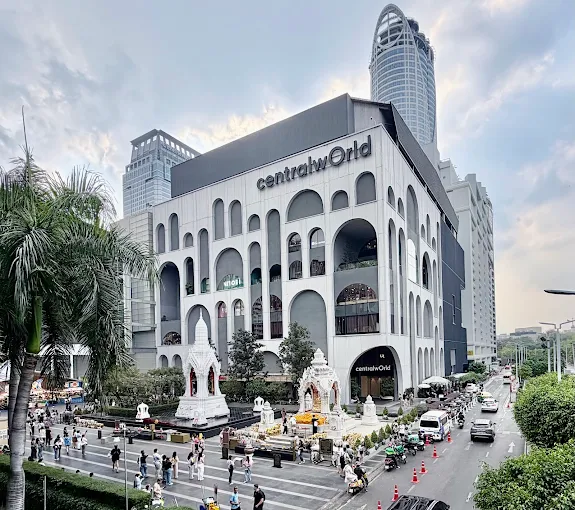
CentralWorld Ratchadamri Chit Lom Large-scale retail across all budgets
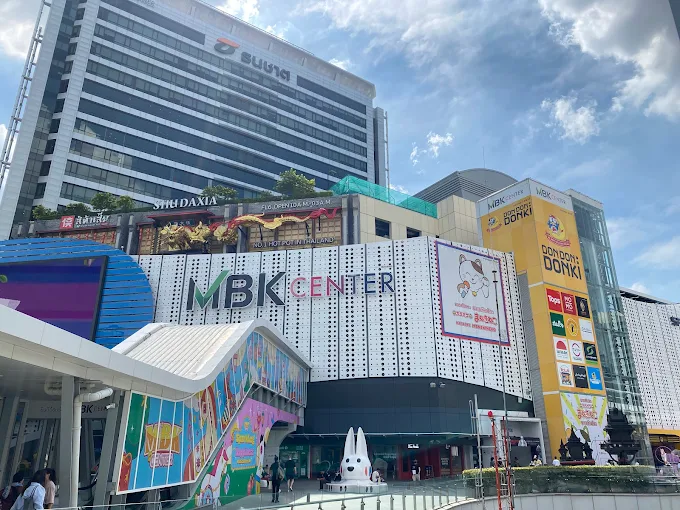
MBK Center Siam National Stadium Electronics, budget fashion, souvenirs
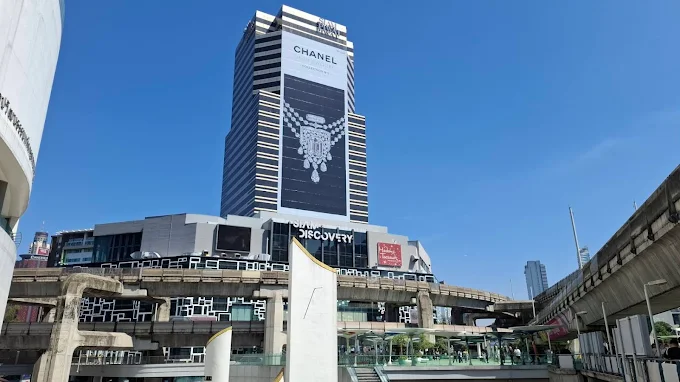
Siam Discovery Siam Siam Thai designers, concept brands, sustainable fashion
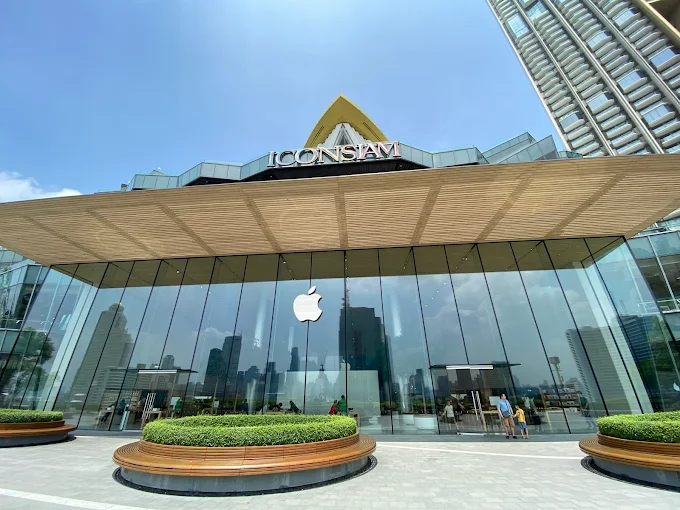
ICONSIAM Riverside Charoen Nakhon Scale, river views, Thai regional food market
One Bangkok Silom Sala Daeng Art installations, parks, newest mixed-use development
Dusit Central Park Silom Lumpini Sky park, rooftop views, Michelin-level food vendors
Platinum Fashion Mall Pratunam Chit Lom (10-min walk) Wholesale clothing, budget fashion

All major malls open at 10 AM and close at 10 PM daily, seven days a week, unless noted otherwise below.

Best Malls Near Sukhumvit

The three malls within closest reach of Sukhumvit are Terminal 21 Asok, Em District, and Central Embassy. Together they cover every budget from high-street to haute couture, and they can all be reached in minutes from the BTS. 

Terminal 21 Asok: Themed Floors and Great Value

Terminal 21 is one of the easier recommendations in Bangkok. Each floor of the mall is designed around a different world capital: Istanbul on one level, Tokyo on the next, San Francisco above that. The concept sounds more novelty than substance, but the execution is detailed enough to make navigation genuinely enjoyable – and considerably more interesting than a standard retail layout. 

The retail mix runs mid-range, with H&M, Uniqlo, and Victoria’s Secret alongside local Thai boutiques and independent designers. Pier 21, the food court on the 5th floor, is among the best-value in Bangkok: well-organised, well-maintained, and priced for locals. The mall sits directly above Asok BTS and MRT Sukhumvit, making it easy to fold into any day.

Terminal 21 Asok

Em District: Three Malls, One Neighbourhood

Em District is the collective name for three connected malls at Phrom Phong BTS: Emporium (the original, opened 1997), EmQuartier (2015), and EmSphere (2023). Together, they span more than 1,000 Thai and international brands across a range that leans upmarket. Emporium anchors the luxury end with flagships for Louis Vuitton, Dior, and Bottega Veneta. 

EmQuartier introduced a dramatic open-spiral architecture and a strong restaurant floor. EmSphere brought late-night retail, entertainment, and a more youthful, fashion-forward crowd to the cluster. The three buildings connect via a covered walkway, so moving between them requires no exposure to the Bangkok heat – a detail that matters more than it sounds.

EmQuartier

Central Embassy: The Clearest High-End Option

For concentrated luxury shopping, Central Embassy is the most focused destination on this list. Located at Phloen Chit BTS and connected by an elevated walkway, it houses tier-one flagships (Hermès, Chanel, Dior) in a building that is considered one of the more thoughtful examples of contemporary retail architecture in the city. The Park Hyatt Bangkok occupies the upper floors. 

On the 6th floor, Open House is worth a visit regardless of shopping plans: a bookshop, café, and coworking space operating with the quiet atmosphere of a library that happens to serve excellent coffee.

Central Embassy

The Siam–Ratchadamri Cluster: Bangkok’s Classic Shopping Hub

The area around Siam BTS station is Bangkok’s historic retail centre. Five major malls sit within roughly a 10-minute walk of each other, connected by an elevated skywalk network that keeps you out of the heat between stops. If you have one day for shopping, this is where to spend it.

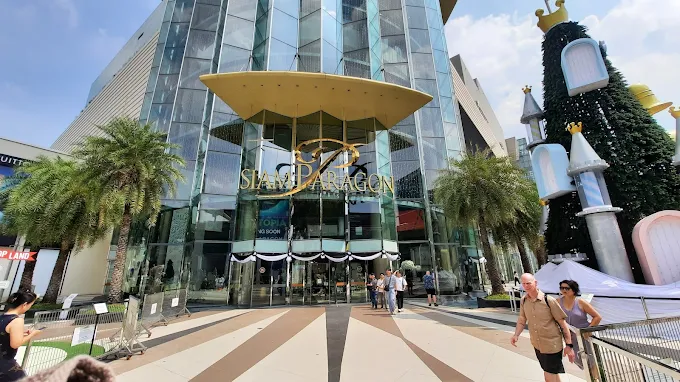
Siam Paragon: Bangkok’s Most Recognisable Mall

Siam Paragon is the first name on most Bangkok shopping lists, and it earns the position. Across eight floors, it brings together luxury fashion (Balenciaga, Gucci, Prada), a strong mid-range retail section, and several attractions that make it worth visiting even without a shopping agenda. 

SEA LIFE Bangkok Ocean World in the basement is the largest aquarium in Southeast Asia. The IMAX Laser cinema on the upper floors is one of only three in Thailand. The food court on the lower ground floor is one of the city’s largest and most efficiently organised. A direct BTS connection at Siam station means arriving and leaving takes no planning at all.

Siam Paragon

CentralWorld: Bangkok’s Unofficial Town Square

CentralWorld is harder to categorise than Siam Paragon because it aims – successfully – to be everything. With more than 500 stores across eight floors, it covers every budget from Zara to Porsche Design. The outdoor plaza, at 8,000 sqm, functions as Bangkok’s primary public gathering space, hosting the city’s largest New Year’s Eve countdown and regular concerts through the year. 

The retail floors are large enough that even regular visitors can get turned around – allow more time than you think you need. Weekday mornings are noticeably calmer than weekends, when the outdoor plaza and the mall draw significant crowds from across Bangkok.

CentralWorld

MBK Center: The Budget Institution

MBK is a particular kind of Bangkok experience. Six floors of more than 2,000 small stalls cover mobile phones, electronics, fashion, accessories, luggage, and souvenirs in an atmosphere that is deliberately dense and unhurried by nothing. Prices are negotiable, especially for electronics and accessories. 

For mobile accessories and cables in particular, MBK has no real competitor on value anywhere in the city. It reaches via National Stadium BTS, one stop west of Siam on the Silom Line.

MBK Center

Siam Center and Siam Discovery: For Design-Led Shopping

The two original Siam malls have found their identities in the years since Siam Paragon arrived next door. Siam Center focuses on Thai fashion designers and elevated streetwear. 

Siam Discovery, which operates under the self-given title “The Biggest Arena of Lifestyle Experiments,” organises retail around themes rather than categories: Japanese lifestyle brands like Muji and Loft sit alongside independent Thai designers, a sustainable fashion floor featuring upcycled materials, and interactive retail zones that change on a rotating basis. 

Both connect directly to Siam BTS and offer a quieter alternative to the flagship crowds one mall over.

Siam Center and Siam Discovery

Riverside and New-Generation Malls Worth the Trip

Not everything worth seeing sits on the main BTS corridor. Three destinations require a short detour but deliver architecture, dining, and scale that the Siam cluster cannot replicate.

ICONSIAM: Bangkok’s Largest Mall

ICONSIAM on the Chao Phraya River is Bangkok’s largest mall by any meaningful measure: seven floors, more than 7,000 Thai and international brands, and an indoor floating market on the ground floor – SookSiam – where food and craft vendors representing all 77 Thai provinces operate within a space designed to evoke a riverside market town. 

The ICONLUXE area carries luxury flagships in a setting that puts its Siam counterparts in perspective. The riverside terrace at sunset is a genuine draw regardless of shopping plans. Getting there means taking the BTS Gold Line to Charoen Nakhon station (Exits 2 and 3) or the free shuttle boat from Sathorn Pier, which takes around 15 minutes from the Silom BTS area.

ICONSIAM Bangkok's Largest Mall

One Bangkok: Art, Parks, and No Queues

One Bangkok, which opened in phases from 2024 onwards, is the most considered new development in the city. Rather than filling every square metre with retail, it integrates public art installations and a large green space into the design – the result is a development that feels unhurried in a way few Bangkok malls manage. 

The food scene is strong and still growing. It sits near Sala Daeng BTS on the Silom Line, and it is one of the few large malls in Bangkok that is explicitly pet-friendly.

One Bangkok

Dusit Central Park: Food, Views, and a Sky Park

Dusit Central Park opened opposite Lumphini Park in late 2024 and has built its reputation around two things: the rooftop sky park, which offers views over Lumphini and downtown Bangkok that you cannot find at most other malls, and the food hall, which operates at a quality level that puts standard food courts behind it. The vendor selection reflects a deliberate curation rather than a volume-first approach. 

For a closer look at what the complex offers before you visit, our Dusit Central Park guide covers the key details worth knowing. It is best combined with One Bangkok for a half-day in the Silom district.

Dusit Central Park Bangkok

Practical Tips for Shopping in Bangkok

A few things that make a real difference across any Bangkok mall visit:

  • Go early on weekdays. Most major malls open at 10 AM. Arriving at opening time on a weekday – particularly at Siam Paragon and CentralWorld – means far thinner crowds than at weekends or after 1 PM.
  • Food courts use prepaid top-up cards. Buy the card at the entrance, load credit, order from multiple vendors, and refund any unused balance on your way out. It is the fastest and most flexible way to eat well in air conditioning.
  • Use the elevated skywalk network. The Siam–Ratchadamri corridor is connected by a covered walkway above street level, meaning you can walk between Siam Paragon, CentralWorld, and Chit Lom in air-conditioned comfort without stepping outside.
  • Use Grab for riverside malls. The BTS Gold Line reaches ICONSIAM via Krung Thon Buri, but for Dusit Central Park and One Bangkok, a Grab from Sukhumvit takes around 20 minutes and avoids a line transfer.
  • Travel light. Bangkok malls are large, BTS carriages fill quickly at peak hours, and there is no satisfying way to manage multiple shopping bags on a crowded Skytrain carriage.

For current BTS route maps and fare information, including the Gold Line connection to ICONSIAM, the BTS Skytrain official website has up-to-date details.

Plan Your Bangkok Shopping Day from a Sukhumvit Base

Bangkok’s malls cover a lot of ground, but the logic is clear once you plan by area. The Sukhumvit corridor – Terminal 21, Em District, Central Embassy – is the natural starting point for anyone based on the strip, and it covers every shopping category within a few BTS stops. A second day around Siam gives you the classic cluster. A riverside afternoon at ICONSIAM, Dusit Central Park, or One Bangkok rounds out the picture with scale and architecture that the rest of the city cannot match.

Discover what’s on at Ad Lib Bangkok and book direct for the best rate – a calm Sukhumvit address tucked beneath a banyan tree, within easy reach of everything above.

Frequently Asked Questions

What is the best mall in Bangkok overall?

It depends on what you are after. ICONSIAM is the largest and most architecturally ambitious, while Siam Paragon is the most famous and one of the easiest to reach because it sits directly at Siam BTS station. Terminal 21 Asok is often the best pick in the mid-range category thanks to its atmosphere and convenient Sukhumvit location near Asok.

Which is better, Siam Paragon or ICONSIAM?

They serve different purposes. Siam Paragon is more convenient because it has a direct connection at Siam BTS station, making it very easy to fit into a central Bangkok itinerary. ICONSIAM feels bigger and more dramatic, and it is especially strong for dining and riverside atmosphere, with access via the Gold Line connection from Krung Thon Buri to the ICONSIAM area. [web:8][web:9]

What is the largest shopping mall in Bangkok?

ICONSIAM is widely recognized as the city’s biggest headline mall destination and spans seven floors at its Charoen Nakhon location. In practical terms, both ICONSIAM and Bangkok’s other mega-malls are large enough to take up most of a day, especially if you combine shopping, dining, and entertainment. [web:4][web:7]

Which Bangkok mall is best for cheap shopping?

Platinum Fashion Mall in Pratunam is usually the strongest choice for budget fashion, while MBK Center is a classic option for electronics, accessories, and affordable souvenirs. If you want the broadest mix of low-cost finds, including vintage clothing, handmade goods, and quirky gifts, Chatuchak Weekend Market is still the essential weekend stop near the BTS/MRT interchange area.

How do I get to Bangkok’s malls from Sukhumvit?

From Sukhumvit, the BTS makes several major malls easy to reach. Terminal 21 is directly at Asok, and Siam Paragon is directly connected to Siam BTS station. To reach ICONSIAM, take the BTS to Krung Thon Buri and transfer to the Gold Line, which connects toward the ICONSIAM area. Grab is often the easiest option for newer large developments outside the most convenient BTS interchanges. [web:8][web:3][web:9]

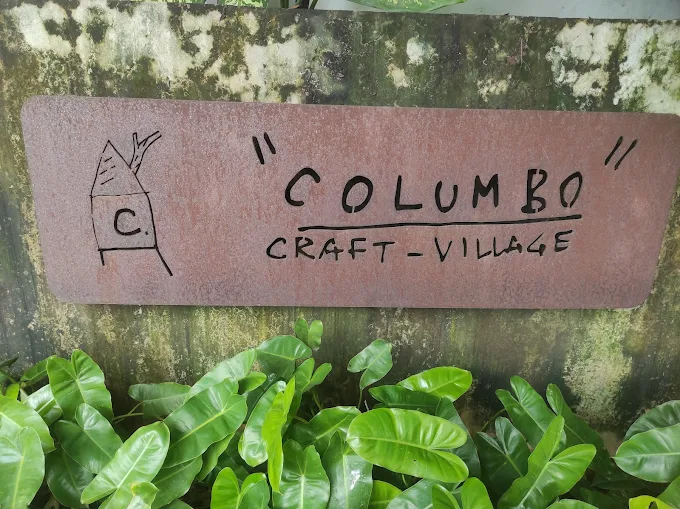
Columbo Craft Village: A Guide to Khon Kaen’s Artist Community

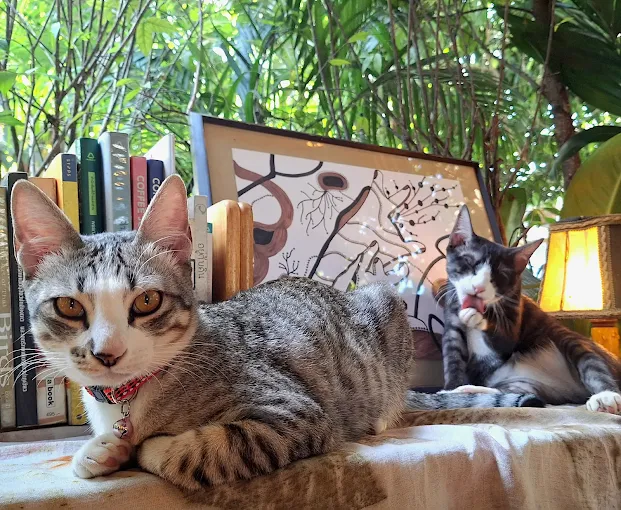
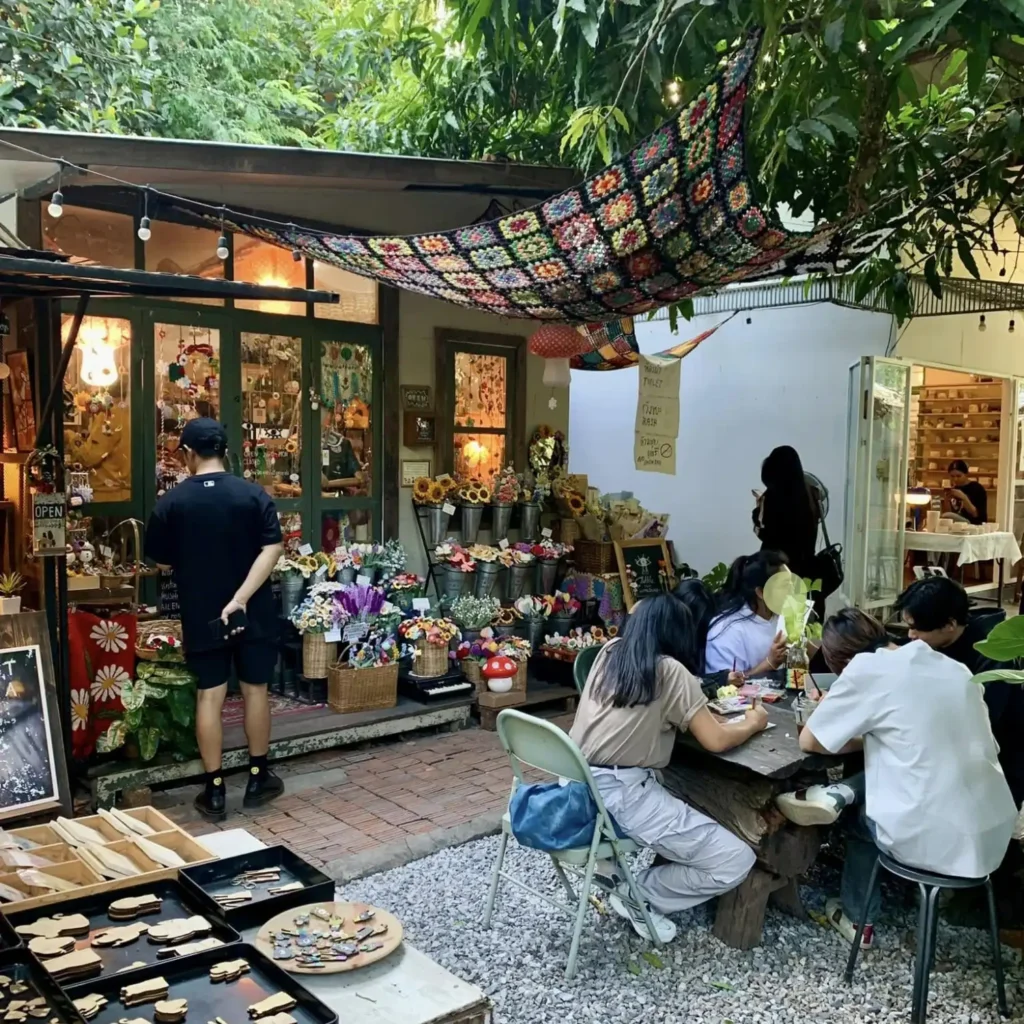
Tucked behind Khon Kaen University on a lane shaded by trees, Columbo Craft Village moves at its own pace. Cats cross the path between studios. Woodwork hangs beside embroidered fabric. A coffee shop operates from a converted house. The whole place feels like a neighbourhood that grew organically from a shared idea, which is exactly what it is.

Founded in 2016 by a small group of Khon Kaen artists, the village has grown into the city’s most beloved creative community – and one of the most rewarding stops for anyone curious about the creative side of Isan. 

This guide covers what the village is, what you can do and see there, how to get there, and why it pairs naturally with a stay at Ad Lib Khon Kaen.

The Story Behind Columbo Craft Village

Columbo Craft Village was built by artists who wanted a place to work and a reason for like-minded people to gather. The plot behind Khon Kaen University had been largely unused. A group of local creatives saw it differently: a space to set up studios, share techniques, and draw in others who worked with their hands.

The name comes from Columbo Road (ถนนโคลัมโบ), which runs alongside the site. When the village opened in 2016, it had six founding studios: DO Homemade (a café with a live music lean), CLAY-more (ceramics), 1309 PROJECT (a steak and burger spot run by a metalwork artist), Yup Shop (a cartoon art gallery and shop), Woodhous (woodwork and embroidered fabric), and Num Gun De (fabric crafts and bags). Each studio was independently run, but the community operated collectively, managing shared spaces, planning events together, and taking turns as hosts.

Columbo Road (ถนนโคลัมโบ)

Since then, three generations of artists have passed through. The village now holds 15 or more studios, with the lineup shifting over time as artists come and go. The community’s own description captures the ethos plainly: “workspace, sharing experience place, make new friends, make your order.” It is a working creative village first, and a visitor destination second, a distinction you feel from the moment you arrive.

The model is sometimes compared to Baan Kang Wat in Chiang Mai: artist-run, community-spirited, and quietly beloved in its city. Columbo Craft Village occupies the same kind of space in Khon Kaen’s cultural life.

What to Expect When You Arrive at Columbo Craft Village?

Columbo Craft Village is compact, walkable, and deliberately low-key. There is no entrance gate, no map at the door, no suggested route. You wander the shaded lanes and see what draws your attention.

The resident cats are famously relaxed, and the atmosphere takes its cue from them. Studios are typically open-plan or spill slightly into the outdoor space, so you can often see work in progress before stepping inside. Some spaces are clearly workshops. Others function as cafés or shops, or some mix of all three.

There is no entrance fee. The experience is self-directed and suits visitors who have time to slow down rather than work through a list. An afternoon is a good amount of time for a first visit.

JARB HOUSE Cat

Studios and Spaces to Explore at Columbo Craft Village

The studio lineup at Columbo Craft Village shifts across generations of artists, so it is worth checking the village’s Facebook page before you visit to confirm which spaces are currently open. That said, several studios have defined the character of the community over the years.

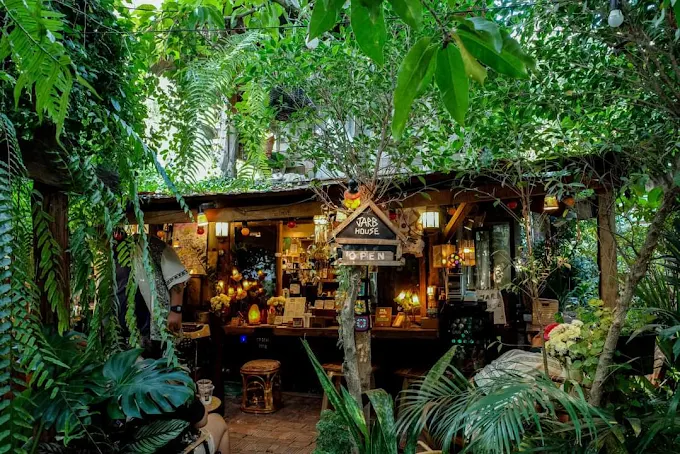
CLAY-more, one of the original six founding studios, focuses on ceramics. Nearby, Woodhous offers woodwork pieces and embroidered fabric rooted in local craft traditions. Yup Shop has long been a home for cartoon illustration and graphic art. For visitors arriving hungry or in need of coffee, JARB HOUSE is a reliable anchor: a café with a calm, workspace feel that continues to operate within the village. MUR MUR BAKER is popular for bread and pastries, especially on weekends. Columbo Craft Coffee provides a lighter coffee option with room to sit.

JARB HOUSE

These names cover the core, but the village rewards curiosity more than planning. Some of the most interesting spaces are studios you find by walking past an open door.

For more creative stops and local experiences near Ad Lib Khon Kaen, the hotel’s Khon Kaen lifestyle guide covers the city’s best neighbourhoods and cultural destinations.

Workshops and Hands-On Activities

Several studios at Columbo Craft Village run workshops that visitors can join, either by walking in or with a short advance booking. The range includes ceramics throwing and hand-painting at CLAY-more, knitting, eco-print fabric dyeing, watercolour painting, and bead jewellery. Prices are modest, and the format suits solo travellers and small groups equally well.

For longer workshops, ceramics in particular, it is worth messaging the studio directly via Facebook a day or two in advance to confirm availability. Shorter activities like painting or beading can often be done as a drop-in on the day, though checking ahead is always a good idea to avoid disappointment.

Events at Columbo Craft Village

The village runs a rotating calendar of events that turns it from a craft destination into a community gathering space, and these events are among the best reasons to plan your visit around a specific date.

Craft markets are a regular fixture and draw the most foot traffic, with handmade goods, local food, and a neighbourly crowd. Second-hand markets are also popular, with two-day events attracting sellers and browsers from across the city. Beyond markets, the community has hosted music evenings, outdoor film screenings, community talks, and “human library” sessions, informal gatherings where community members share knowledge and stories with visitors.

Seasonal programming connects to the broader Khon Kaen calendar. Events tied to the Isan Creative Festival and the Khon Kaen International Silk Festival have featured at the village in past years, making it a natural companion to those citywide celebrations.

All event dates and programming are announced via the Columbo Craft Village Facebook page. Details are provided for guidance only. Confirm current dates and events directly with Columbo Craft Village before planning your visit, as programming is subject to change.

Ad Lib Khon Kaen also runs its own events throughout the year. Check the Ad Lib Khon Kaen events page for what is on during your stay.

Columbo craft village event

How to Get to Columbo Craft Village?

Columbo Craft Village is located at 674, Ban Non Muang, Village 19, Sila Subdistrict, Mueang Khon Kaen, near the rear of the Khon Kaen University campus. The easiest way to find it is to search “Columbo Craft Village” in Google Maps or the Grab app, both of which carry accurate pins for the location.

From central Khon Kaen or Ad Lib Khon Kaen, the village is roughly 8 to 10 km away, around 15 to 20 minutes by car or Grab. Grab is the most straightforward option if you are not travelling with your own transport. Parking is available at the village for those arriving by car or scooter.

Opening hours are 11 AM to 6 PM, Monday and Wednesday to Sunday. The village is closed on Tuesdays. Individual studios within the community may keep their own hours, and some may open later or close before 6 PM. Confirming with a specific studio before a longer journey is worth the message.

There is no entrance fee, and most transactions within the village are cash-based, though card acceptance is growing across individual studios. Midweek afternoons, particularly Wednesday and Thursday, are the quietest for studio exploration. Weekends bring more energy, especially when a craft market or community event is running.

Conclusion

Columbo Craft Village is not an attraction built for visitors. It is a working creative neighbourhood that has been growing since 2016, one that happens to welcome people who arrive with time to spare. That quality makes it one of the most genuine experiences in Khon Kaen and a natural stop on any visit to the city.

Ad Lib Khon Kaen sits at the heart of the city’s creative scene, with Columbo Craft Village a short Grab ride away and the rooftop energy of KaenKaew Live House on the doorstep. Explore rooms at Ad Lib Khon Kaen and book direct for the best rate.

Frequently Asked Questions

What is Columbo Craft Village?

Columbo Craft Village is an independent artist community on Columbo Road, behind Khon Kaen University in Khon Kaen, Thailand. Founded in 2016 by a small group of local creatives, it has grown from six original studios to more than 15 today across three generations of artists.

What can you do at Columbo Craft Village?

Visitors can explore studios and browse handmade goods, join craft workshops such as ceramics, knitting, eco-print dyeing, painting, and bead jewellery, have coffee or food at the village cafés and bakeries, and attend events including craft markets, second-hand markets, music evenings, and film screenings.

Is there an entrance fee at Columbo Craft Village?

There is no entrance fee at Columbo Craft Village. Entry to the lanes and studios is free, and visitors usually spend only when buying handmade goods, food, or drinks, or when paying to join a workshop.

What are the opening hours of Columbo Craft Village?

Columbo Craft Village is open from 11 AM to 6 PM, Monday and Wednesday to Sunday. It is closed on Tuesdays. Individual studios within the village may keep their own hours, and some may open later or close earlier than the village as a whole.

How do you get to Columbo Craft Village from central Khon Kaen?

The village is about 8 to 10 km from central Khon Kaen, which is roughly a 15 to 20 minute drive or Grab ride depending on traffic. Searching “Columbo Craft Village” in Google Maps or the Grab app usually gives the most accurate pin.

When is the best time to visit Columbo Craft Village?

Midweek afternoons, especially Wednesday and Thursday, are usually the quietest time for a relaxed studio visit. Weekends are busier and more energetic, particularly when a craft market or community event is taking place.

Best 10+ Temples in Bangkok You Must Visit in 2026

Bangkok has over 400 temples. That figure is both inspiring and overwhelming. First-time visitors often arrive with a rough list (the Grand Palace, Wat Arun, probably Wat Pho) and leave wishing they had gone further. 

Seasoned travellers come back specifically for the ones they missed: the turtle-pond temple south of the Memorial Bridge, the iron monastery nobody talks about, the solid gold Buddha hidden under plaster in Chinatown for a century. 

This guide covers the 10+ best Bangkok temples worth your time in 2026, with addresses, opening hours, admission costs, and the best moment of day to visit each.

1. Wat Phra Kaew and The Grand Palace

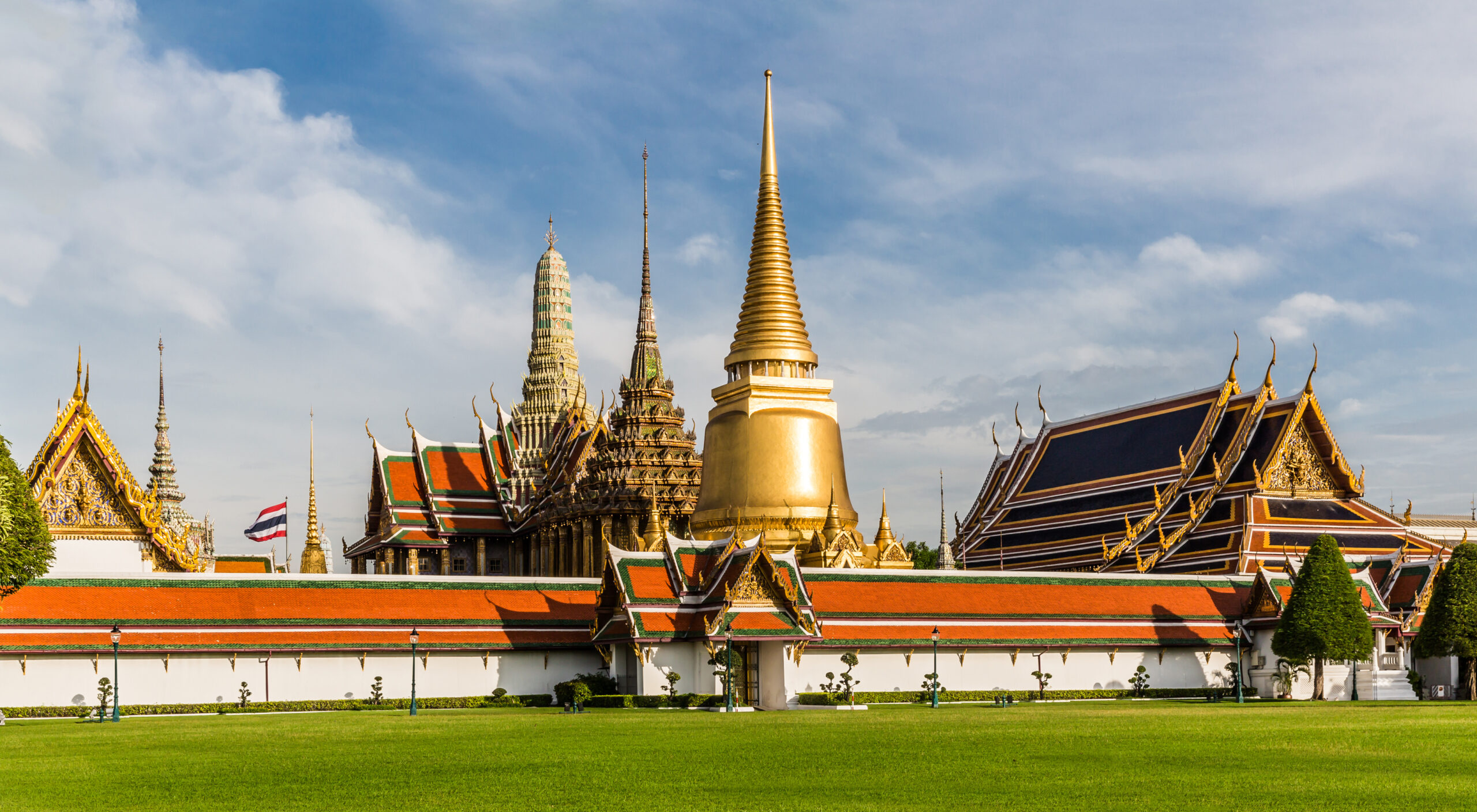
Thailand’s most sacred religious site sits within the Grand Palace complex on Rattanakosin Island. Wat Phra Kaew houses the Emerald Buddha, a 66-centimetre image carved from a single piece of jade, believed to protect the Thai nation and seasonally dressed in gold robes by the King. 

The palace grounds around it cover more than 218,000 sqm of gilded pavilions, towering guardian figures, and a 2-kilometre gallery of Ramakien murals. 

The Grand Palace enforces the strictest dress code in Bangkok: full-length sleeves and trousers or a skirt are required. Sarong wraps are not accepted at the gate, though they can be purchased nearby. 

  • Address: Na Phra Lan Road, Phra Nakhon District, Bangkok 10200
  • Admission: 500 THB. 
  • Open: 8:30am to 3:30pm daily. 
  • Best time: Arrive at opening before tour groups peak around 10am.

Wat Phra Kaew and The Grand Palace

2. Wat Pho: Temple of the Reclining Buddha

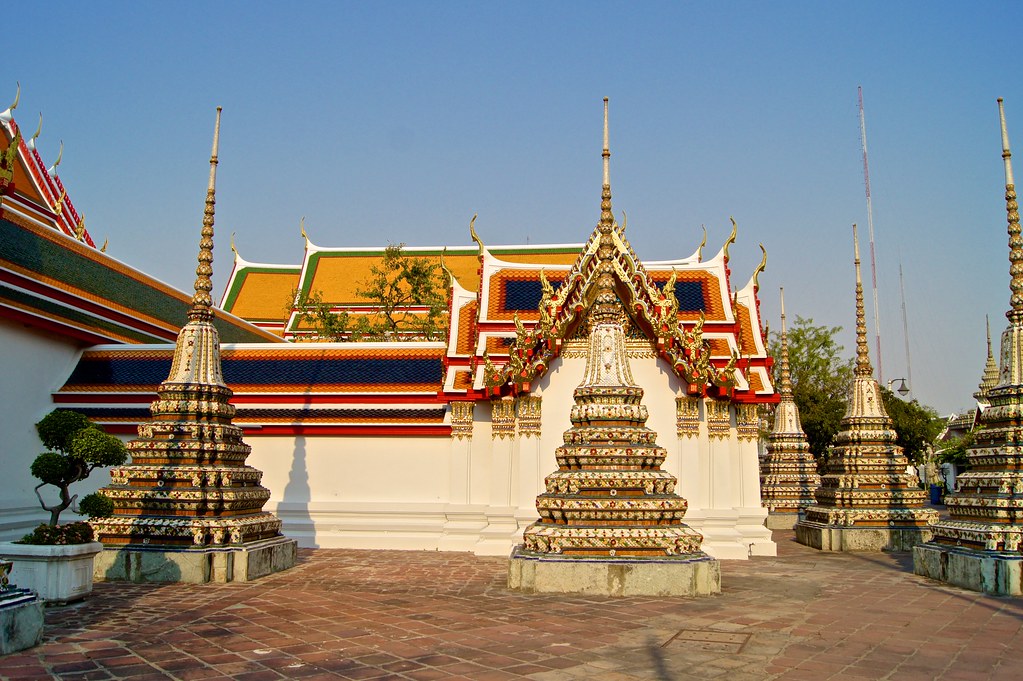
Bangkok’s oldest and largest temple complex is home to the Reclining Buddha, 46 metres long and 15 metres high, with mother-of-pearl inlay covering the soles of its feet in 108 auspicious symbols. The scale registers only when you are standing beside the figure and can see the tiled floor of the surrounding hall recede into the distance. 

Wat Pho also houses over 1,000 Buddha images collected from ancient sites across Thailand, and the Wat Pho Thai Traditional Medical and Massage School operates on-site, offering a 30-minute table massage for around 260 THB.

  • Address: 2 Sanam Chai Road, Phra Nakhon District, Bangkok 10200 (a ten-minute walk south of the Grand Palace)
  • Admission: 200 THB. 
  • Open: 8am to 6:30pm daily. 
  • Best time: Morning, directly after the Grand Palace.

Wat Pho in Bangkok

3. Wat Arun: Temple of Dawn

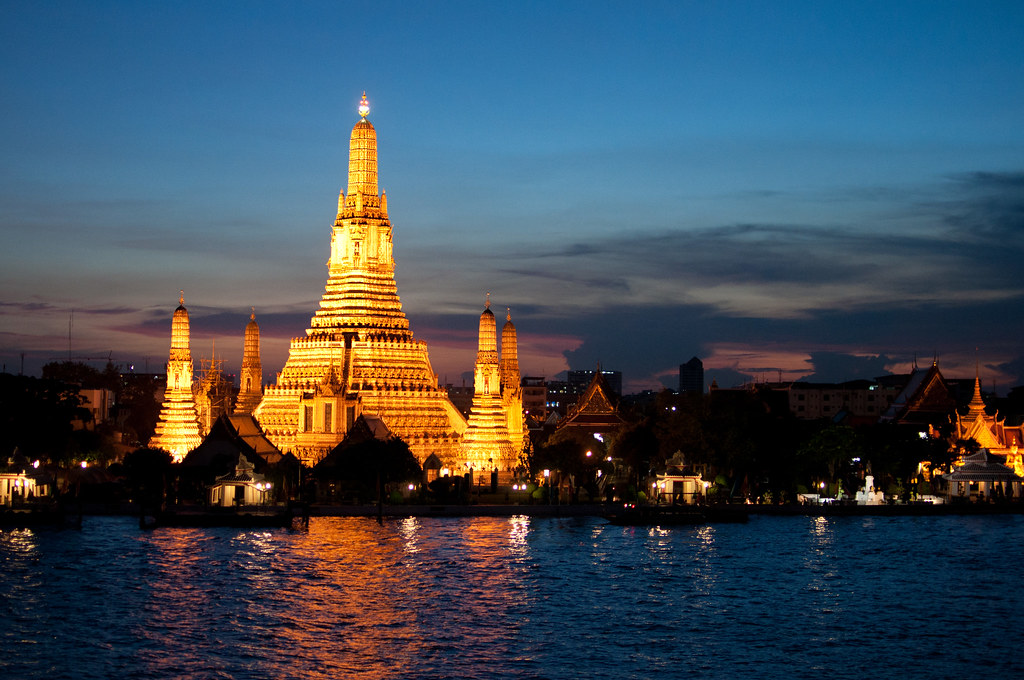
Despite its name, Wat Arun is most worth seeing at sunset, when the 79-metre Khmer-style central prang catches the fading light and the porcelain mosaic covering its surface shifts from white to copper. Thousands of fragments of Chinese ceramic ware were pressed into the plaster by Rama III’s artisans, visible close-up in detail that photographs tend to flatten. 

Cross from Wat Pho by the passenger ferry at Tha Tien Pier. The crossing takes two minutes and costs 3 to 5 THB. Visitors can climb the steep stairs of the central prang for river views. The descent requires care. 

  • Address: 158 Wang Doem Road, Bangkok Yai District, Bangkok 10600 (west bank of the Chao Phraya River)
  • Admission: 100 THB. 
  • Open: 8am to 6pm daily. 
  • Best time: 4:30pm to 6pm.

Wat Arun at Dusk

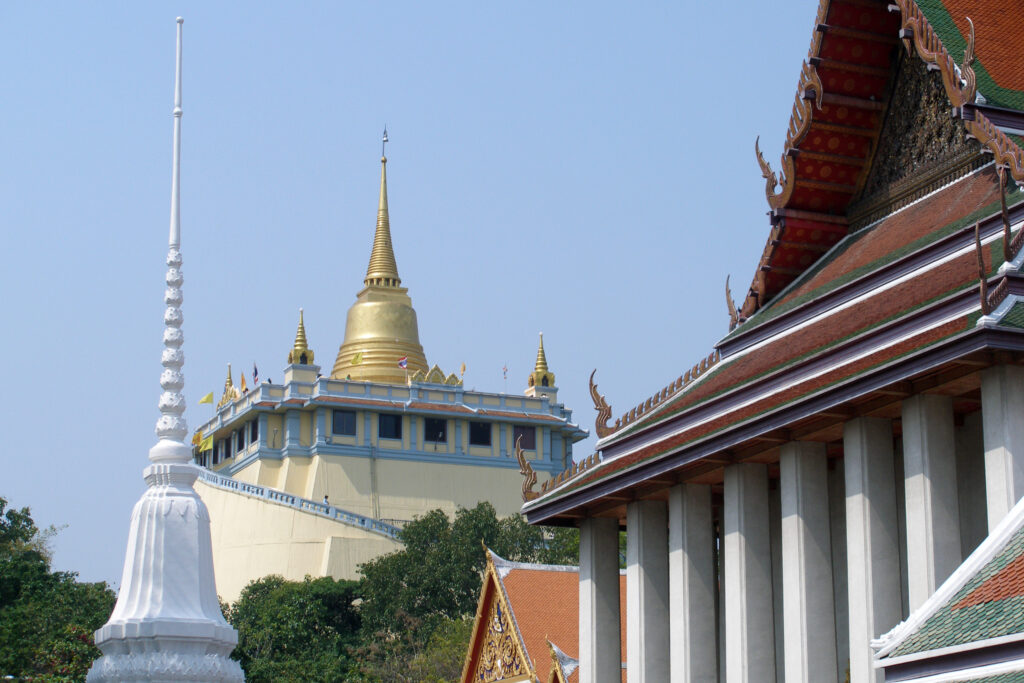
4. Wat Saket: Temple of the Golden Mount

Wat Saket is the only Bangkok temple built on an artificial hill. The 77-metre mound was constructed across the reigns of Rama IV and Rama V from material accumulated over decades in Bangkok’s flood-prone clay soil, and the golden chedi at its summit enshrines Buddha relics brought from India. 

Climbing the 344 steps through a planted hillside, small bells hanging in the trees ring at each landing. From the top, the view takes in Old Bangkok rooflines, the Grand Palace, and the Rama VI Bridge beyond. Each November at Loy Krathong, devotees ascend to wrap the chedi in red cloth. 

  • Address: 344 Chakkraphatdi Phong Road, Pom Prap Sattru Phai District, Bangkok 10100
  • Admission: 50 THB. 
  • Open: 9am to 5pm daily. 
  • Best time: Late afternoon for panoramic city light.

Wat Saket

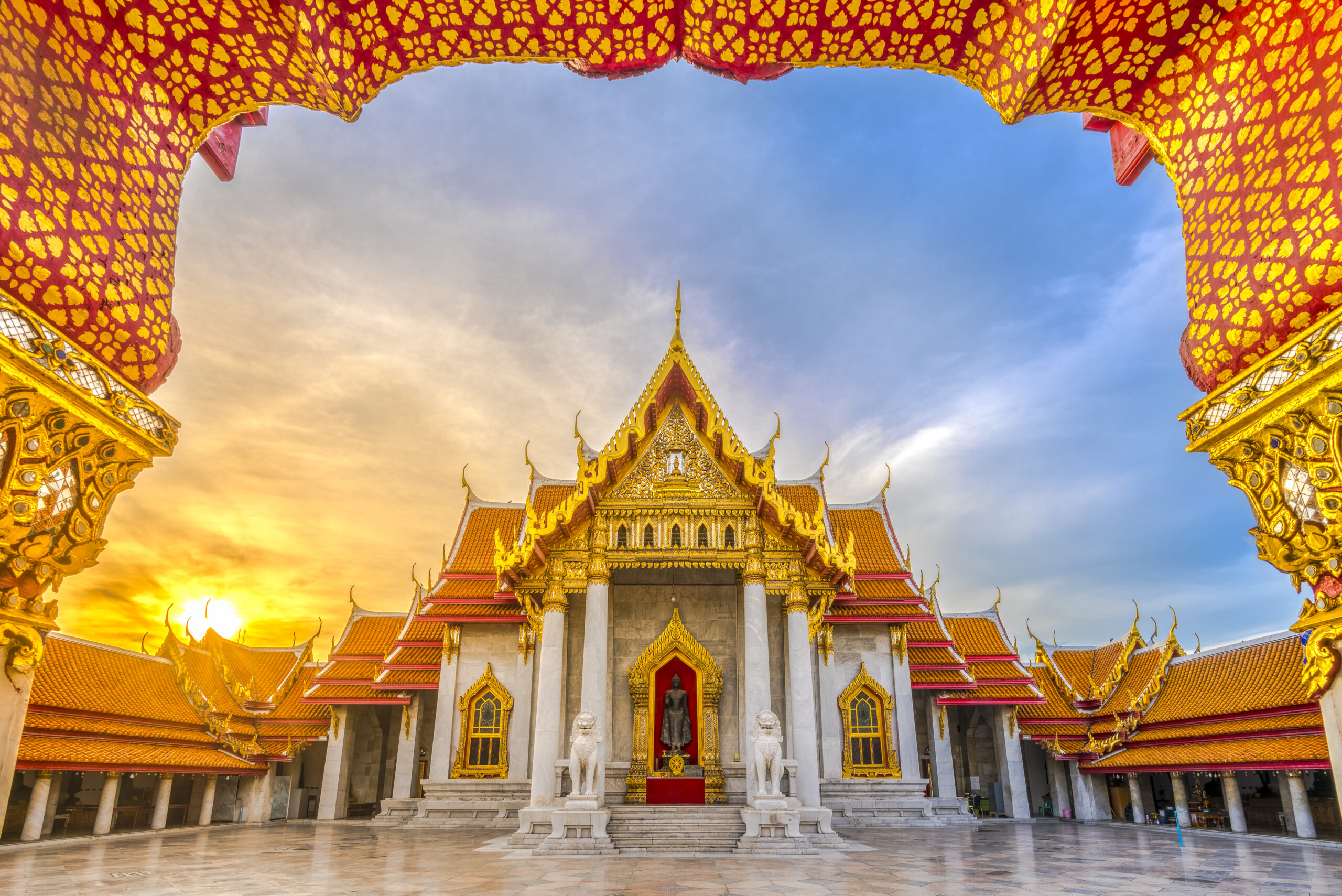
5. Wat Benchamabophit: The Marble Temple

Completed in 1911, Wat Benchamabophit is the only Bangkok temple built entirely of imported Italian Carrara marble, giving its exterior a cool luminosity unlike any other structure in the city. It was designed by Prince Narisara Nuwattiwong, Rama V’s architect half-brother, who fused Rattanakosin geometry with Italian Renaissance structural lines. 

The interior gallery holds 52 Buddha images representing styles from across Thailand and neighbouring countries, effectively a survey of Southeast Asian Buddhist art in one cloister. Quieter than the Rattanakosin temples and best reached by taxi from the Democracy Monument area. 

  • Address: 69 Rama V Road, Dusit District, Bangkok 10300
  • Admission: 20 THB. 
  • Open: 7am to 6pm daily. 
  • Best time: Morning, when the marble reflects the softest light.

Wat Benchamabophit

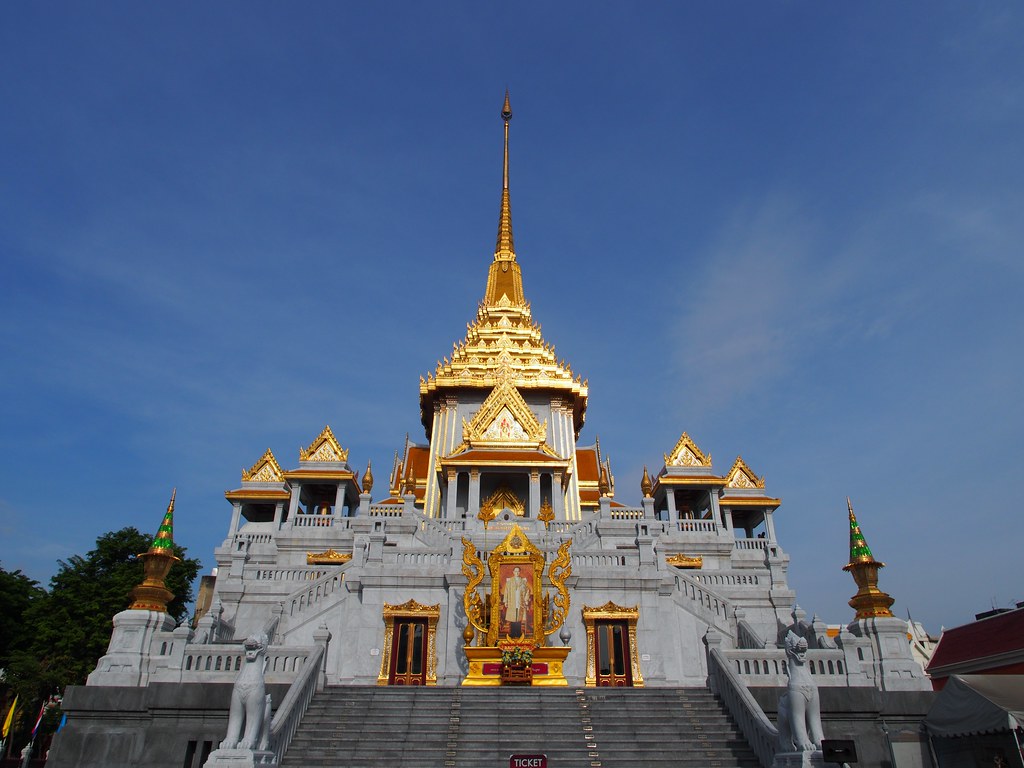
6. Wat Traimit: Temple of the Golden Buddha

The 3-metre, 5.5-tonne solid gold Buddha inside Wat Traimit was concealed beneath a plaster coating for centuries, most likely to protect it during periods of conflict. The plaster cracked during a construction move in 1953, revealing the gold beneath. 

The image is now displayed on the fourth floor of a purpose-built building within the compound. Lower floors contain a museum covering the discovery story and the history of Bangkok’s Chinese community. The temple sits within easy walking distance of Yaowarat Road and pairs well with a Chinatown food walk. 

  • Address: 661 Charoen Krung Road, Samphanthawong District, Bangkok 10100 (near Odeon Circle, Chinatown)
  • Admission: 40 THB. 
  • Open: 8am to 5pm daily. 
  • Best time: Pair with a Chinatown lunch stop.

Wat Traimit

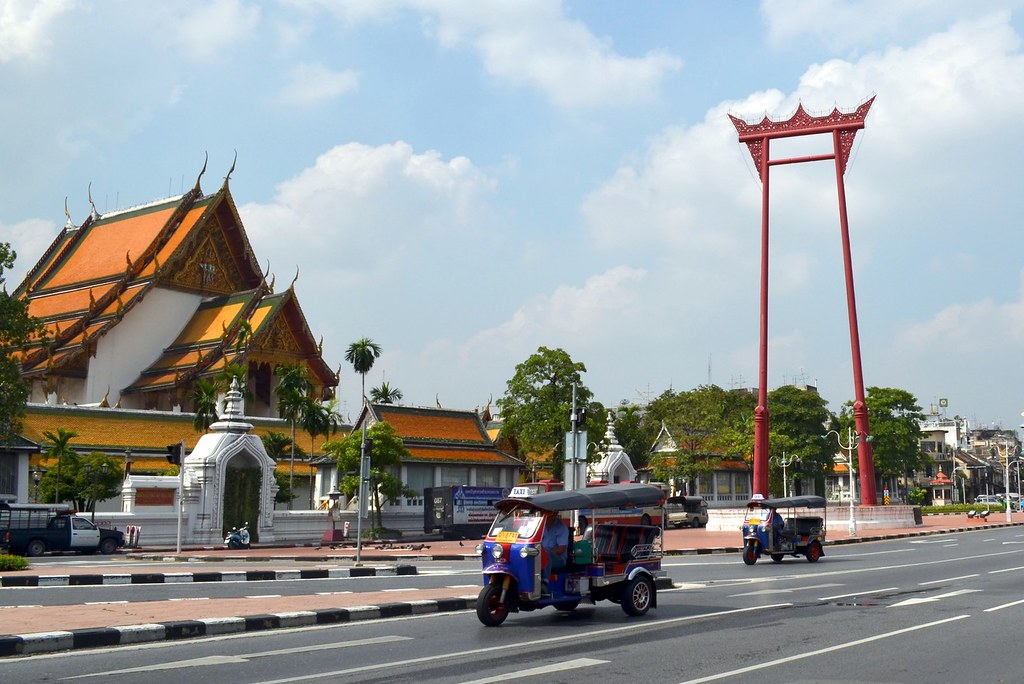
7. Wat Suthat and The Giant Swing

Founded by Rama I and completed under Rama III, Wat Suthat houses mural paintings more than 200 years old that cover the interior walls of the main hall in scenes from the life of the Buddha alongside Thai court subjects. 

Outside the compound stands the Giant Swing (Sao Ching Cha), an 80-year-old teak frame once used for a Brahmin ceremony in which participants swung to retrieve a bag of gold coins from a tall pole. The ceremony was discontinued in 1935, but the frame remains one of the most striking open-air compositions in the old city. The temple itself is rarely crowded despite its age and quality. 

  • Address: 146 Bamrung Mueang Road, Phra Nakhon District, Bangkok 10200 (near Sao Ching Cha / the Giant Swing)
  • Admission: 20 THB. 
  • Open: 8:30am to 9pm daily.

Wat Suthat and The Giant Swing

8. Wat Ratchanatdaram: The Iron Monastery

The Loha Prasat (iron monastery) at Wat Ratchanatdaram is the only surviving structure of its kind in the world. The ancient Indian original on which it was modelled no longer exists. Built by Rama III, the white multi-tiered tower stands 35 metres tall with 37 metal spires representing 37 virtues described in Pali Buddhist teaching. In late afternoon, the light through the spires casts long geometric shadows across the courtyard. Entry is free and the site is consistently calm. Combine it with Wat Saket across the road for a complete afternoon in this part of the old city. 

  • Address: 2 Maha Chai Road, Phra Nakhon District, Bangkok 10200 (across the road from Wat Saket)
  • Admission: Free. 
  • Open: 9am to 5pm daily. 
  • Best time: 3pm to 5pm.

Wat Ratchanatdaram

9. Wat Mangkon Kamalawat: Chinatown’s Dragon Temple

The spiritual heart of Bangkok’s Chinese community, Wat Mangkon Kamalawat holds Buddhist, Taoist, and Confucian shrines under a single roof, reflecting the syncretic practice of the Thai-Chinese community. The entrance hall is dense with incense smoke at most hours of the day. 

The temple is most atmospheric during Chinese New Year in February and the Vegetarian Festival in October, when ceremonial activity intensifies across the compound. The MRT’s Wat Mangkon Station, opened in 2019, makes it the most accessible of Chinatown’s major religious sites. 

  • Address: 423 Charoen Krung Road, Samphanthawong District, Bangkok 10100 (MRT: Wat Mangkon Station, Exit 1)
  • Admission: Free. 
  • Open: 6am to 6pm daily. 
  • Best time: Morning, when ceremony and offering are most active.

Wat Mangkon Kamalawat

10. Wat Prayurawongsawat: The Turtle Pond Temple

Wat Prayurawongsawat is among Bangkok’s oldest temple complexes and almost entirely off the tourist trail. Rama III commissioned the principal pagoda, Phra Chedi Phuttaphiban, which stands above an irregularly shaped pond containing hundreds of turtles brought by worshippers over generations as merit offerings. 

The temple grounds are quiet, the early Rattanakosin architecture is unadorned, and the surrounding Thonburi neighbourhood rewards time spent wandering. The nearby Portuguese Santa Cruz church and Bang Krachao ferry landing make for a logical afternoon circuit in this part of the city. 

  • Address: 24 Prachathipat Road, Bangkok Yai District, Bangkok 10600 (near Phra Phuttha Yodfa Bridge, also known as the Memorial Bridge)
  • Admission: Free. 
  • Open: Daily.

Wat Prayurawongsawat

Bonus: Wat Samphran, The Dragon Temple (Day Trip)
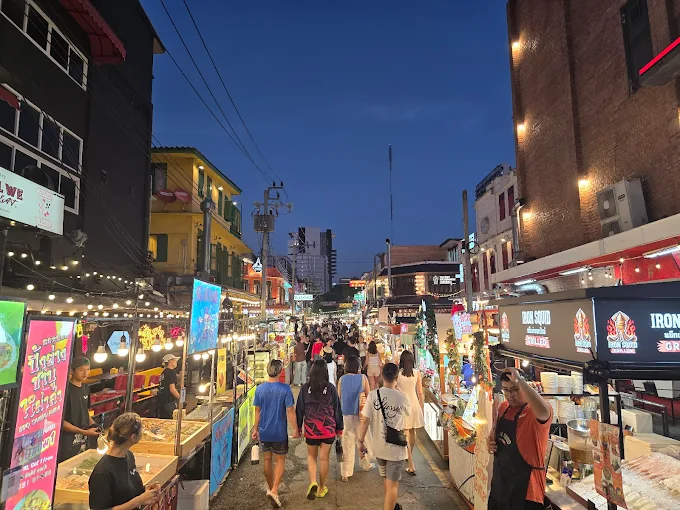
Wat Samphran requires a 45-minute Grab or taxi ride from the city, but the drive is worth making. A green dragon wraps the full exterior of a 17-storey pink tower from base to summit, and visitors can climb through the dragon’s interior to the uppermost level. 

The complex is a working Buddhist monastery and is far less visited than Bangkok’s central temples. Combining it with Phra Pathom Chedi in Nakhon Pathom city (the world’s tallest Buddhist monument at 127 metres) creates a full day out. 
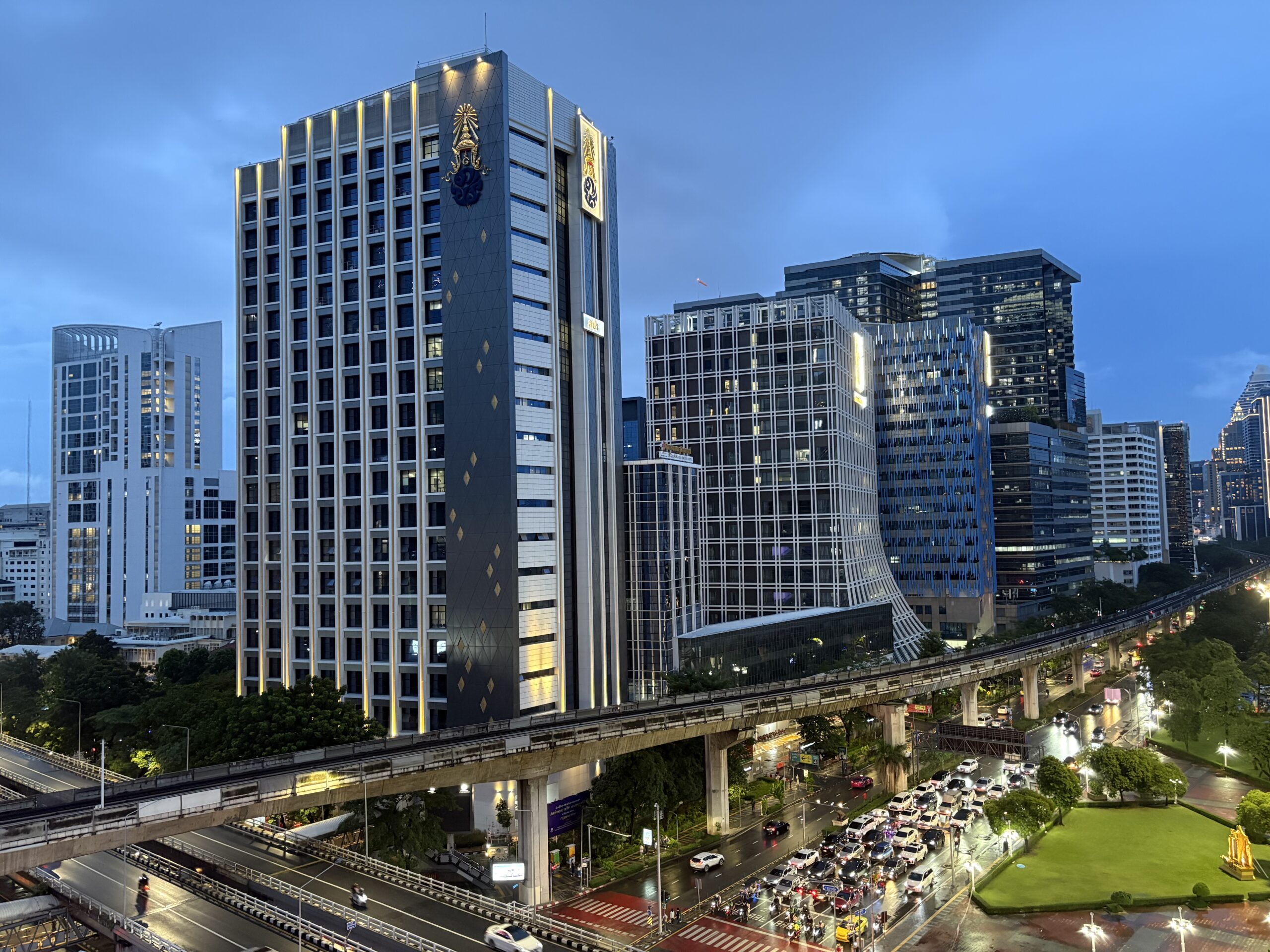
  • Address: 29 Moo 1, Bangtoei, Sam Phran District, Nakhon Pathom 73110 (approximately 50km west of central Bangkok)
  • Admission: Free. 
  • Best time: Weekday morning.

Bangkok Temple Visitor Essentials

A few practical points before you set out can make the difference between a smooth day and being turned away at the gate.

Dress code: Cover your shoulders and knees at every temple. The Grand Palace has the strictest requirement: permanent sleeves and full-length trousers or a skirt are mandatory. Sarong wraps are not accepted there as a substitute. 

At most other temples, sarongs can be borrowed or hired at the entrance for around 50 THB. Wear shoes that slip on and off easily, as footwear must be removed before entering most halls.

Admission costs: The Grand Palace costs 500 THB, Wat Pho costs 200 THB, and Wat Arun costs 100 THB for foreign visitors. Most smaller temples charge between 20 and 50 THB. Wat Ratchanatdaram, Wat Mangkon Kamalawat, and Wat Prayurawongsawat are free. 

Budget approximately 900 THB for a full Rattanakosin and Chinatown temple day. Carry 20 THB notes for the many donation boxes throughout each compound.

Opening hours and admission prices are subject to change. Confirm directly with each temple before your visit. For the Grand Palace, the official Royal Grand Palace website carries current visitor information.

A Good Day Starts with Knowing Where You’re Based

Bangkok’s temples are best understood slowly. One morning at Rattanakosin, one afternoon in Chinatown, and a sunset on the Chao Phraya reveals a city that has been building beauty for over 240 years. The design details (porcelain shards pressed into river-damp plaster, Italian marble shipped across two oceans by a prince with an architect’s eye, iron spires forged to represent 37 virtues) reward the visitor who takes the time to look. 

Book direct at Ad Lib Bangkok for the best rate and the most central Sukhumvit starting point for your temple day.

Frequently Asked Questions

What are the three most famous temples in Bangkok?

The three most visited temples in Bangkok are Wat Phra Kaew (Temple of the Emerald Buddha) inside the Grand Palace complex, Wat Pho (Temple of the Reclining Buddha), and Wat Arun (Temple of Dawn) on the Chao Phraya’s west bank.

Can I visit Bangkok temples for free?

Several Bangkok temples are free for all visitors, including Wat Ratchanatdaram, Wat Mangkon Kamalawat, and Wat Prayurawongsawat. The major tourist temples charge foreign visitors: the Grand Palace costs 500 THB, Wat Pho costs 200 THB, and Wat Arun costs 100 THB.

What should I wear to visit Bangkok temples?

Cover your shoulders and knees at every Bangkok temple. For the Grand Palace, full-length sleeves and trousers or a full-length skirt are required. Sarong wraps are not accepted there. At other temples, sarongs can usually be borrowed or hired at the entrance for around 50 THB.

What is the best time of day to visit Bangkok temples?

The Grand Palace and Wat Pho are best visited when they open, before tour groups peak around 10am. Wat Arun is best at sunset, when the porcelain mosaic catches the fading light. Wat Saket and Wat Ratchanatdaram also reward a late afternoon visit for the light quality and relative quiet.

How many Bangkok temples can I visit in one day?

Four to six temples in one day is a comfortable target when focusing on the Old City and Chinatown clusters. The Grand Palace, Wat Pho, Wat Arun, Wat Traimit, and Wat Mangkon Kamalawat can all be visited in a single day with efficient ferry and Grab transport.

Are the Grand Palace and Wat Phra Kaew the same place?

They are in the same complex but are separate structures. Wat Phra Kaew is the royal temple built within the Grand Palace grounds, and a single 500 THB admission ticket covers both. Once inside, visitors can move between the palace buildings and the temple compound, which houses the Emerald Buddha and the Ramakien mural gallery.

Best 10+ Night Markets in Bangkok You Must Visit in 2026

As the heat of the day fades, Bangkok’s night markets fill the gaps between shopping malls and skyscrapers with grilled skewers, neon signage, and stalls selling everything from vintage denim to handmade jewellery. Some lean into street food, others into vintage shopping, riverside views, or creative art. 

This guide rounds up 11 of Bangkok’s best night markets for 2026, with locations, hours, and what makes each one worth the trip, plus a table to help you match a market to your evening, whether you’re staying near Sukhumvit or further afield.

Before the details, here’s how the markets compare. Hours and days change often, especially around public holidays, so confirm before you go.

Night Market Best For Area Days & Hours Nearest BTS/MRT
Jodd Fairs (Rama 9) Grilled street food, live music Huai Khwang Daily, around 4:00 p.m. to midnight MRT Phra Ram 9
Chatuchak Weekend Market Shopping, scale Chatuchak Fri evenings 6:00 p.m. to midnight (full market Sat-Sun) BTS Mo Chit / MRT Kamphaeng Phet
Asiatique The Riverfront Riverside dining, families Bang Kho Laem Daily, around 4:00 p.m. to midnight BTS Saphan Taksin + shuttle boat
Talad Rot Fai Srinagarindra Vintage and retro finds Prawet Thu-Sun, 5:00 p.m. to 1:00 a.m. MRT Suan Luang Rama IX
The One Ratchada Relaxed shopping and food Huai Khwang Daily, 4:00 p.m. to midnight MRT Huai Khwang
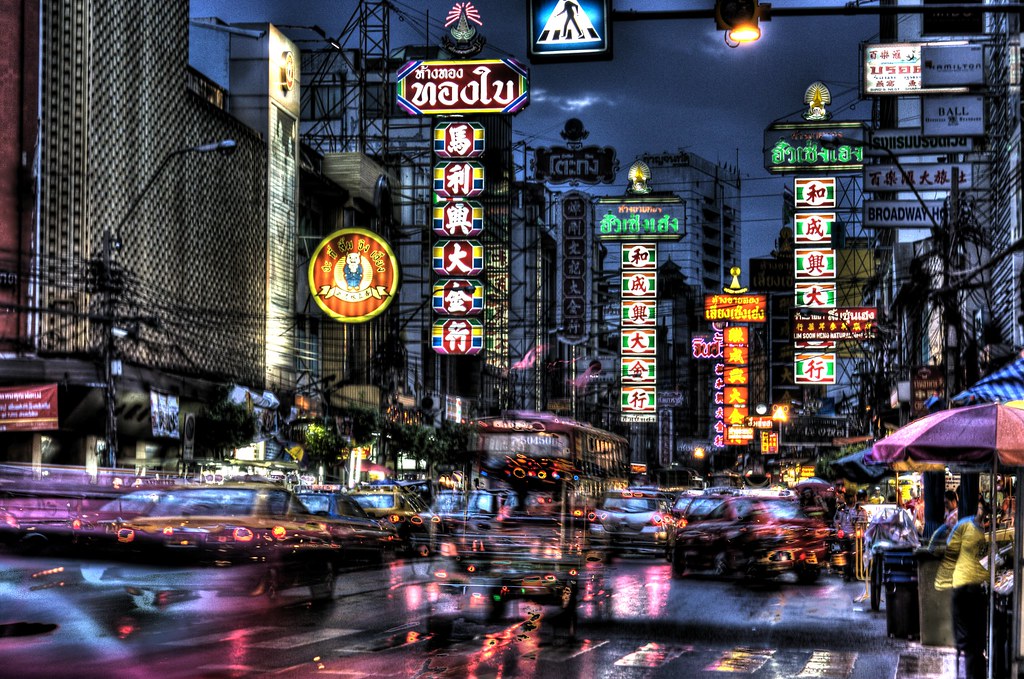
Yaowarat Road (Chinatown) Heritage street food Samphanthawong Daily, busiest from 6:00 p.m. MRT Wat Mangkon
Pratunam Night Market Budget fashion Ratchathewi Daily, evening into early hours BTS Chit Lom
Khao San Road Street life, people-watching Phra Nakhon Daily, busiest from 6:00 p.m. Boat to Phra Arthit Pier
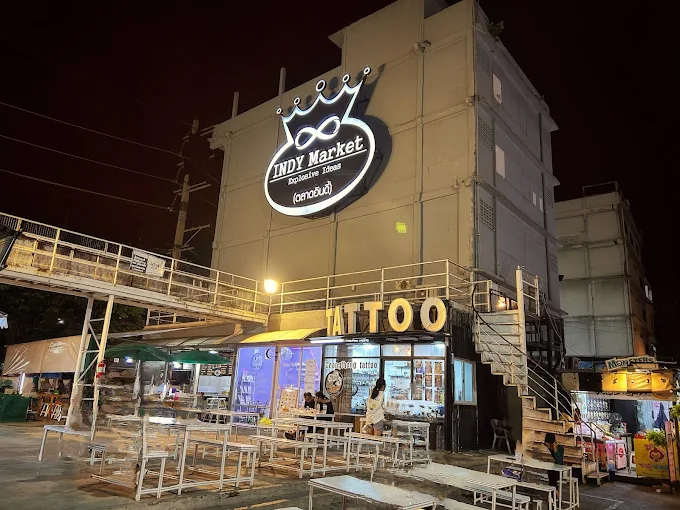
Indy Market Local, indie goods Chom Thong Daily, around 5:00 p.m. to midnight Taxi or ride-hailing app
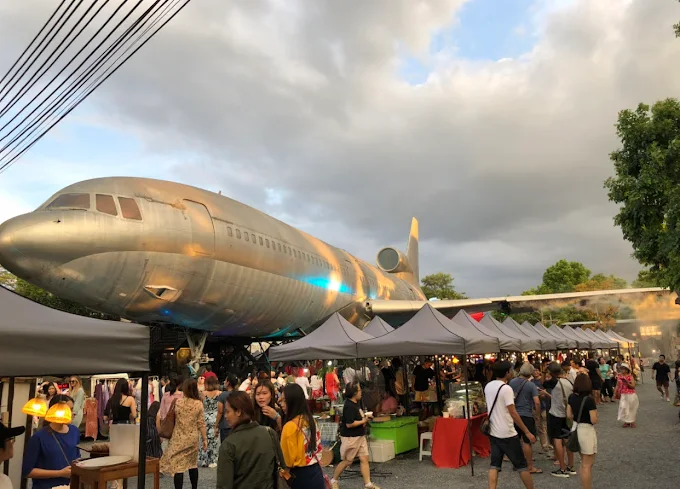
Chang Chui Plane Night Market Art and creative dining Bang Phlat Afternoon to evening (check for closures) Taxi or ride-hailing app
Banthat Thong Road Street food near Siam Pathum Wan Late afternoon into the night BTS National Stadium

1. Jodd Fairs (Rama 9 / DanNeramit)

Address: Rama IX Road, Huai Khwang, Bangkok 10310 (next to Big C Extra Ratchada). The DanNeramit branch is on Phahonyothin Road, Chom Phon, Chatuchak, Bangkok 10900.

Jodd Fairs started on Rama IX Road and has since grown a larger branch, Jodd Fairs DanNeramit, on Phahonyothin Road near Lat Phrao. Both are built around rows of white-tented food stalls and a steady run of live music. 

The food is the draw: grilled seafood, charcoal barbecue, and inventive Thai-fusion dishes alongside desserts and drinks made for sharing. The Rama 9 site, next to Big C Extra Ratchada in Huai Khwang, runs daily from around 4:00 p.m. to midnight and is the easier option from Sukhumvit.

Jodd Fairs (Rama 9 DanNeramit)

2. Chatuchak Weekend Market (Friday Night)

Address: 587, 10 Kamphaeng Phet 2 Road, Chatuchak, Bangkok 10900.

Chatuchak is Bangkok’s largest market, with an estimated 15,000 stalls across more than a dozen sections selling clothing, plants, antiques, and homeware. 

Most visitors come for the Saturday and Sunday daytime market, but parts also open on Friday evenings, from around 6:00 p.m. to midnight, with a quieter pace. The market sits along Kamphaeng Phet 2 Road in the Chatuchak district, close to BTS Mo Chit and MRT Kamphaeng Phet.

Chatuchak Weekend Market (Friday Night)

3. Asiatique The Riverfront

Address: 2194 Charoen Krung Road, Wat Phraya Krai, Bang Kho Laem, Bangkok 10120.

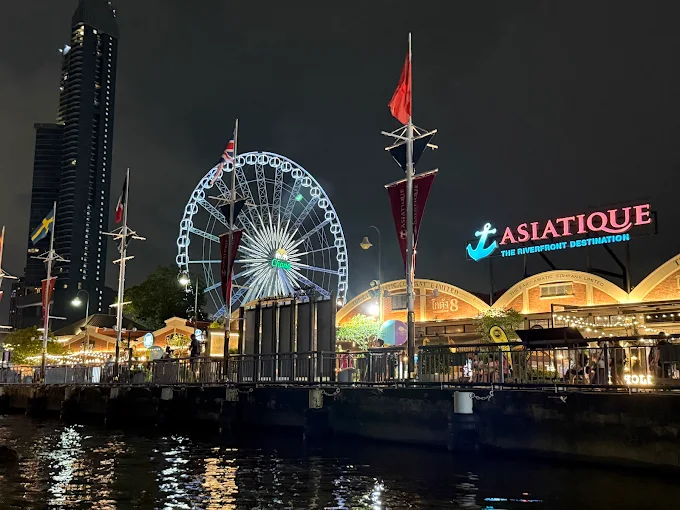
Asiatique The Riverfront occupies the site of a former trading port on the Chao Phraya, now home to more than a thousand shops and restaurants, plus a Ferris wheel that lights up after dark. The mix leans toward sit-down dining and retail rather than street stalls, a steadier option for families or anyone who prefers browsing without much haggling. 

It’s open daily from around 4:00 p.m. to midnight, reached by a free shuttle boat from BTS Saphan Taksin (Sathorn Pier).

Asiatique The Riverfront

4. Talad Rot Fai Srinagarindra (Train Market)

Address: Srinakarin Road (near Soi 51), Nong Bon, Prawet, Bangkok 10250.

Talad Rot Fai Srinagarindra, often called the Train Market, is built for vintage shopping: classic cars, retro clothing, old cameras, and furniture fill rows of stalls under a maze of tents. It sits some distance from central Bangkok, behind Seacon Square in Prawet, but the food section and live music bars at the back make the trip worthwhile, especially at weekends. 

The market runs Thursday to Sunday, 5:00 p.m. to 1:00 a.m., closest to MRT Suan Luang Rama IX on the Yellow Line.

Talad Rot Fai Srinagarindra (Train Market)

5. The One Ratchada

Address: Rama IX Road, Huai Khwang, Bangkok 10310 (next to The Street Ratchada).

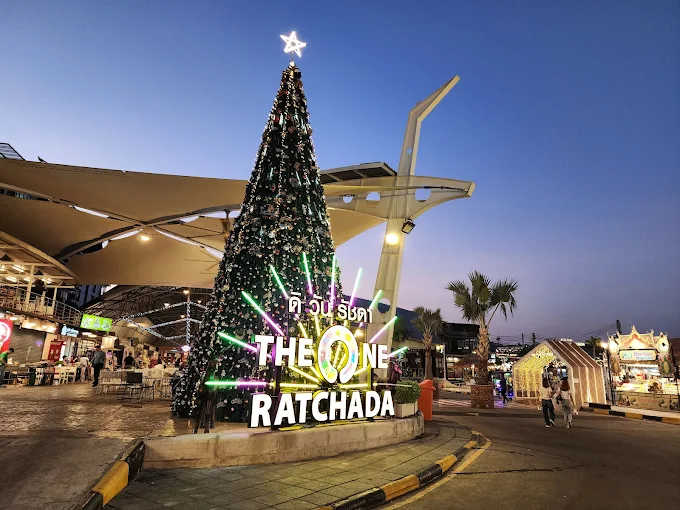
The One Ratchada is a renovated version of the old Ratchada train market, with a more open layout and a calmer feel than its predecessor. It’s known for grilled seafood platters, dessert cafes, and a back section of bars ranging from DJ sets to live bands, including a few with a Korean theme. 

The market sits next to The Street Ratchada mall in Huai Khwang and is open daily, 4:00 p.m. to midnight, a short walk from MRT Huai Khwang or Thailand Cultural Centre.

The One Ratchada

6. Yaowarat Road (Chinatown)

Address: Yaowarat Road, Samphanthawong, Bangkok 10100.

Yaowarat Road is less a single market than an entire street given over to food once the sun sets, lined with woks, charcoal grills, and stalls serving the same dishes for generations. Expect oyster omelettes, bird’s nest soup, and noodle dishes from vendors mentioned in the Michelin Guide Thailand for their street food. 

The road never closes, but stalls are busiest from around 6:00 p.m., nearest to MRT Wat Mangkon on the Blue Line.

Yaowarat Road (Chinatown)

7. Pratunam Night Market

Address: Ratchaprarop Road, Ratchathewi, Bangkok 10400.

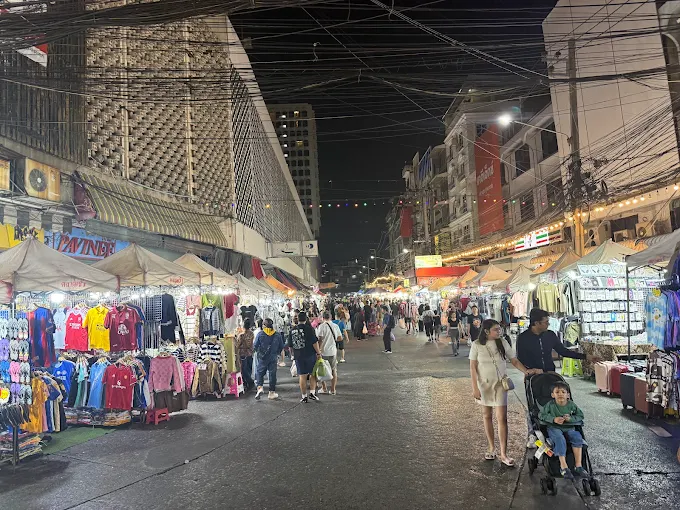
Pratunam is Bangkok’s wholesale fashion district by day and a busy night market once stalls along Ratchaprarop Road and the surrounding alleys light up. The focus is clothing, accessories, and footwear, generally cheaper than the malls nearby, plus a scattering of street food vendors for a quick bite. 

The night market runs from early evening into the small hours, closest to BTS Chit Lom, with the Airport Rail Link’s Ratchaprarop station also nearby.

Pratunam Night Market

8. Khao San Road

Address: Khao San Road, Talat Yot, Phra Nakhon, Bangkok 10200.

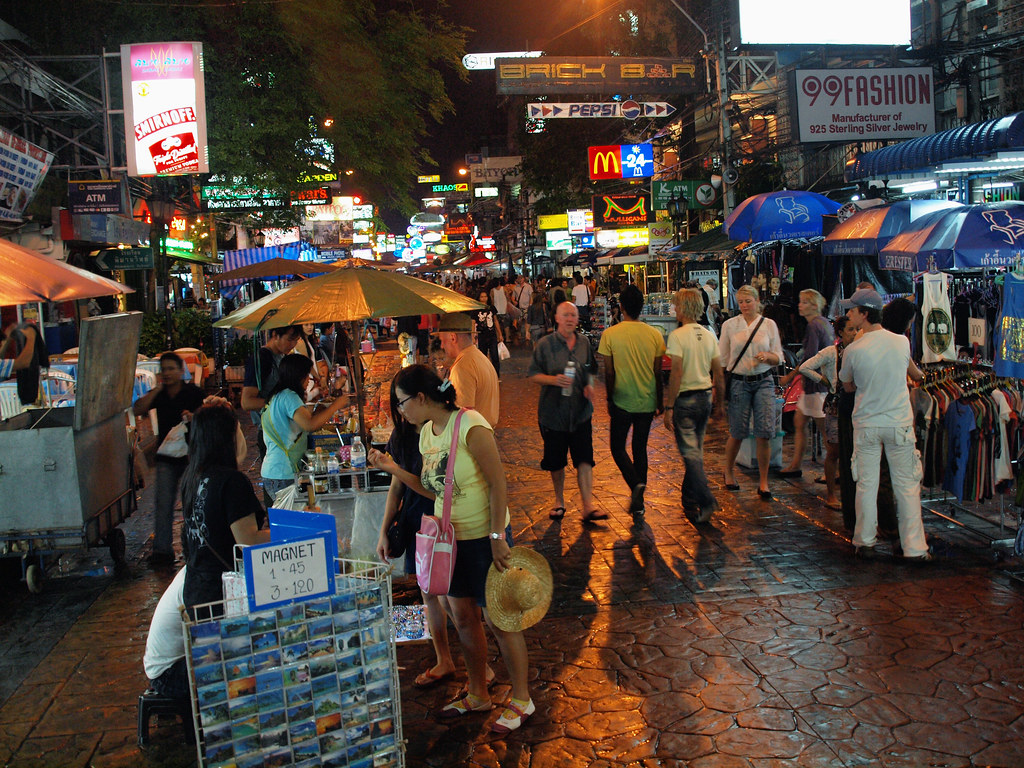
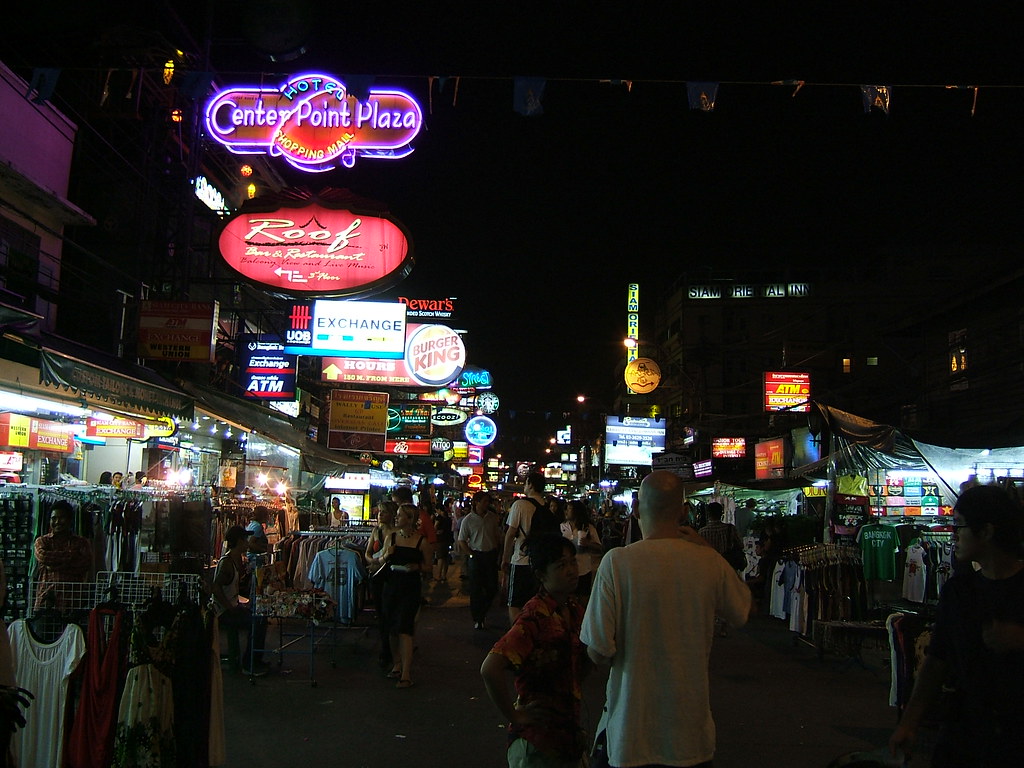
Khao San Road has grown from a backpacker strip into one of Bangkok’s most recognisable streets after dark, with vendors selling clothing, souvenirs, and street food along a stretch lined with guesthouses. The atmosphere is the main draw: live music spilling onto the pavement, street performers, and a steady crowd of locals and travellers. 

The street is open around the clock, but the market builds from around 6:00 p.m., closest to the Chao Phraya Express Boat at Phra Arthit Pier.

Khao San Road

9. Indy Market

Address: Dao Khanong, Chom Thong, Bangkok 10150.

Indy Market draws a mostly local crowd, set apart from the centre in Thonburi with a relaxed feel compared to Bangkok’s larger markets. Stalls sell handmade clothing, accessories, and secondhand items, alongside vendors serving fried chicken, Thai crepes, and stir-fried dishes you won’t always find at the bigger markets. 

It’s open daily from around 5:00 p.m. to midnight, and since it’s away from the BTS and MRT lines, a taxi or ride-hailing app is the easiest way there.

Indy Market

10. Chang Chui Plane Night Market

Address: 460/8 Sirindhorn Road, Bang Phlat, Bangkok 10700.

Chang Chui is built around a decommissioned aircraft now housing a fine-dining restaurant, surrounded by art installations made from recycled materials and scrap metal. The stalls lean toward an artsy, younger crowd, with vintage clothing, handmade goods, and a rotating line-up of small dining concepts.

It’s open afternoon into evening, though some sources note a midweek closing day, so check ahead. The market sits in Bang Phlat, west of the river, best reached by taxi.

Chang Chui Plane Night Market

11. Banthat Thong Road

Address: Banthat Thong Road, Pathum Wan, Bangkok 10330.

Banthat Thong Road, near Chulalongkorn University, has become one of Bangkok’s most talked-about street food destinations, often mentioned alongside Yaowarat for its concentration of well-regarded vendors. 

The road is lined with stalls and small restaurants serving everything from spicy noodle dishes to charcoal-grilled snacks, drawing queues from students and locals as much as visitors. The street food scene picks up from late afternoon into the night, a short walk from BTS National Stadium, close to Siam’s shopping district.

Banthat Thong Road

Tips for Visiting Bangkok’s Night Markets

A few habits make a Bangkok night market easier to enjoy, whatever stalls you’re heading for.

  • Carry cash in small denominations. Many stalls don’t take cards and can’t always break large notes.
  • Wear comfortable, breathable clothing and shoes you don’t mind getting dusty.
  • Save bargaining for clothing, accessories, and souvenirs. Food vendors usually have fixed prices.
  • In the rainy season, roughly May to October, head for markets with covered areas, such as Jodd Fairs, The One Ratchada, or Asiatique.
  • Confirm opening days and hours before setting out, since these shift around public holidays.
  • Arrive soon after opening for a seat at the busiest food stalls. Queues build fast after 7:00 p.m.

Night Markets Close to Ad Lib Bangkok in Sukhumvit

Of the markets above, Jodd Fairs and Asiatique The Riverfront are the easiest to reach from a stay in Sukhumvit. Jodd Fairs on Rama IX Road is a few MRT stops from Sukhumvit station via the Blue Line, within a short ride of Ad Lib Bangkok, tucked into a quiet Sukhumvit alley beneath a banyan tree. 

Asiatique is reachable by BTS to Saphan Taksin, then the free shuttle boat along the river. After a night of grilled skewers and market browsing, the rooms at Ad Lib Bangkok offer a quieter base before the next day’s exploring.

Book direct at adlibhotels.co for the best rate, subject to availability and terms and conditions.

Frequently Asked Questions

What is the most famous night market in Bangkok?

Chatuchak Weekend Market and Jodd Fairs are generally considered Bangkok’s most famous night-market style destinations. Chatuchak is the largest, with thousands of stalls across more than a dozen sections, while Jodd Fairs is especially popular for grilled street food and live music.

Which is better, Chatuchak or Pratunam Night Market?

It depends on what you’re shopping for. Chatuchak is much larger and better for a long browsing session, with clothing, antiques, homeware, and plants all in one place. Pratunam is smaller and more focused on budget fashion, so it’s better for a quicker clothing-and-accessories stop.

What days and times are Bangkok’s night markets usually open?

Most night markets in Bangkok open from late afternoon into the night, usually around 4:00 p.m. to 7:00 p.m., and close around midnight to 1:00 a.m. Some markets, including Talad Rot Fai Srinagarindra, only open Thursday to Sunday. Hours can shift on public holidays, so it is best to confirm before you go.

Is there a night market near Sukhumvit?

Sukhumvit doesn’t have a large night market of its own, but Jodd Fairs on Rama IX Road is a relatively easy trip away by MRT. That makes it one of the most convenient options for guests staying nearby, including those at Ad Lib Bangkok.

What is the biggest night market in Bangkok?

Chatuchak Weekend Market is the largest, with an estimated 15,000 stalls across more than a dozen sections covering clothing, antiques, plants, and homeware. Most of the market runs on Saturday and Sunday during the day, though parts also open on Friday evenings for a quieter visit.

Are Bangkok’s night markets cash-only?

Most stalls at Bangkok’s night markets still prefer cash, especially for food and smaller items, so it helps to carry Thai baht in small denominations. Larger venues such as Asiatique and Jodd Fairs may have some shops and restaurants that accept cards, but you should not rely on card payment across the whole market.

Are there indoor night markets in Bangkok for rainy days?

Few Bangkok night markets are fully indoors, but several have substantial covered areas that work well during the rainy season from roughly May to October. Jodd Fairs, The One Ratchada, and Asiatique are all good options when rain looks likely because they offer covered walkways and seating.

Dusit Central Park Bangkok: Where to Eat & What Things To Do?

Dusit Central Park brings a new rhythm to Silom. Set beside Lumphini Park, this mixed-use landmark combines shopping, dining, offices, residences, hotel stays, and green space in one city block.

Here’s everything you need to know before you visit.

Overview of Dusit Central Park Bangkok

Dusit Central Park stands at the corner of Rama IV and Silom in Bangkok’s Bang Rak district – directly facing Lumphini Park and anchored to the revived Dusit Thani Bangkok. The development integrates a hotel, residences, an office tower, and an eight-story retail podium into a single destination. 

  • Address: 946 Rama IV Road, Si Lom, Bang Rak, Bangkok 10500 [Google Maps]
  • Opening hours: 10:00 AM – 10:00 PM every day of the week (Monday – Sunday). Dusit Arun Park (rooftop garden) opens earlier, at 6:00 AM.
  • Official Website: dusitcentralpark.com

The retail floors ascend toward Dusit Arun, an elevated sky garden that stretches across seven rai of Bangkok’s skyline. Below, over 200 dining and retail concepts anchor one of the city’s most layered culinary offerings. Whether your agenda is a focused meal, a shopping circuit, or a morning run with views over Lumphini, Dusit Central Park accommodates all three.

How to Get Dusit Central Park Bangkok?

Dusit Central Park connects directly to two transit lines: BTS Sala Daeng and MRT Silom station. Travelers from Sukhumvit, Siam, or riverside areas reach both stations within 15–20 minutes. 

  • From BTS Asok or Nana, board the Silom Line toward Mo Chit and exit at Sala Daeng. 
  • From MRT Sukhumvit, change at Asok and proceed to Silom station.

For taxi or ride-hailing (Grab), give drivers the address as Dusit Central Park, Rama IV Road or reference the Dusit Thani Bangkok hotel. 

  • From Sukhumvit Soi 1 (where Ad Lib Hotels Bangkok is located) the taxi journey takes roughly 20–30 minutes depending on traffic, and costs approximately 80–130 THB. 

Dining at Dusit Central Park: A Foodie’s Map

Dusit Central Park markets itself as Asia’s new culinary landmark. The complex houses hundreds of food and beverage concepts – from Michelin Guide street vendors to international imports, specialty coffee roasters, and creative dessert studios. You can move between a quick noodle lunch, a sit-down Japanese meal, and a Thai dessert in an afternoon, without retracing your steps.

The range extends from quick bites in Parkside Market (LG floor) to elevated dining on upper levels. Casual and refined exist side by side, making Dusit Central Park as practical for a solo traveler grabbing lunch as it is for a group building an evening around a restaurant reservation.

Parkside Market & Casual Eats (LG Floor)

Parkside Market occupies the LG floor and assembles Michelin Guide street vendors alongside beloved local stalls. Here, you sample boat noodles, grilled meats, rice dishes, and classic curries.

Recommended Stalls & What to Order

Stall / Concept What to Order Flavor Profile Price Band
ThongSmith Boat noodles (nam tok or clear broth) Rich, savory, mild heat 60–90 THB per bowl
Khao Man Gai vendor Poached chicken rice with ginger broth Clean, balanced, light 50–80 THB
Isan grill stall Moo ping (grilled pork skewers), sticky rice Charred, smoky, savory 40–60 THB
Curry over rice Gaeng kiew wan (green curry), rice Aromatic, herb-forward, medium spice 60–90 THB
Thai dessert counter Mango sticky rice, tub tim grob Sweet, coconut-rich 50–80 THB

Most stalls at Parkside Market accept both cash and card, QR-code payment is common. Seating is shared, and trays are returned to a designated station after eating. Arrive before 11:30 or after 14:00 on weekdays to sidestep the lunch queue. 

If you eat in groups, ordering three or four smaller dishes across different stalls covers more ground than a single large plate. Vegetarian travelers will find mild options at the curry and rice counters, grilled meat stalls run on pork and chicken, so identify vendors early.

Japanese Highlights at Dusit Central Park

  • Katsu Midori brings conveyor-belt sushi with plates at graduated price points – practical for solo diners, fluid for groups, and consistently reliable in quality. 
  • Omakase Don by Teppen suits travelers who want rice bowls with seafood or grilled toppings without committing to a long omakase meal.
  • Kiwamiya brings a Fukuoka-style hamburg steak format where diners finish meat on a hot stone at the table. It turns lunch into a small performance: sear, dip, eat, repeat.

Headline Japanese restaurants draw long lines on weekends and at standard dinner hours (18:00–20:00). Arriving at 11:30 for lunch or 17:30 for an early dinner reduces the wait significantly. 

Bar-counter seating turns over faster than table seating – worth requesting if you’re dining alone or as a pair.

Korean, Chinese & Asian Comfort Food

  • Solsot serves individual clay-pot rice dishes – sotbap – with the rice cooked until the bottom layer caramelizes. Diners scrape the crust, mix in the toppings, and work through the bowl in layers. The format rewards patience and works well for two people sharing sides.
  • Long Jing (LONGJING Restaurant) takes its name and culinary cues from Hangzhou’s tea culture. The menu centers on Longjing roast chicken – cooked with tea leaves – and Dongpo pork braised in Shaoxing wine. These are composed, sit-down dishes in a setting that fits a group dinner or family gathering. 

Most Asian concepts at Dusit Central Park calibrate heat and seasoning toward accessibility – useful for mixed groups and families with varied palates. If you like bibimbap, try sotbap. If you prefer noodles, look for Thai boat noodles or Chinese noodle shops. If you want grilled meat, choose Korean grill or Japanese hamburg steak.

Modern Thai, Desserts & Coffee

  • Modern Thai concepts at Central Park Bangkok rework familiar recipes into mall-friendly dining. Expect basil stir-fries, curry rice, seafood dishes, and Thai comfort food with cleaner plating and more controlled spice.
  • Kao Nom builds its menu around rice, coconut, and shaved ice and reconfigures them into rolls, kakigori, and soft-serve. 
  • Rise Coffee, Onibus, KSANA, and The Summer Coffee Company represent Dusit Central Park’s specialty coffee layer – single-origin beans, signature drinks, and take-home drip sets. 

For digital nomads or travelers who want a productive afternoon inside the mall before an evening in Silom, these cafés provide the infrastructure: reliable coffee, seated space, and enough ambient energy to work without distraction.

Best Things To Do at Dusit Central Park

Shopping Across Eight Themed Floors

The retail component covers over 200 brands across multiple levels: global sportswear, fashion labels, cosmetics, lifestyle stores, and youth-oriented concepts such as LIVE! and Sunnies World occupy the upper floors. Ground-level houses specialty cafés and a full supermarket.

Dusit Arun – Thailand’s Largest Urban Rooftop Garden

Dusit Arun spans roughly seven rai of rooftop across the podium, with walking trails, waterfall features, viewpoints, and an amphitheater oriented toward both Lumphini Park and the city skyline. Universal design paths make the space accessible to strollers and wheelchairs. 

The garden performs differently across the day: a sunrise run at 07:00, a golden-hour walk at 17:30, or a nighttime circuit with the Bangkok lights beneath you each give a distinct version of the same space. Account for at least 45 minutes if the garden is on your itinerary.

Art, Culture & Pop-Up Experiences

Public spaces throughout the complex host art installations, fashion pop-ups, cultural activations, and seasonal events. 

Check the Dusit Central Park official website or their social channels before your visit to identify any concerts, design showcases, or themed festivals running during your dates – these activations can shape the best version of your afternoon there.

Nearby Attractions Around Dusit Central Park

Lumphini Park & King Rama VI Monument

Lumphini Park sits directly across the intersection – a 500-rai green reserve that functions as Bangkok’s most accessible urban escape. The park supports a counterpoint to the mall’s constructed environment: paddle boats on the central lake, shaded paths under mature trees, monitor lizards moving through the grass, and joggers in the early morning. 

The King Rama VI Monument stands at the park’s Silom edge. A 30-minute walk through Lumphini before or after the mall grounds the day in something less engineered.

Silom, Sala Daeng & Wellness Options

The blocks surrounding Dusit Central Park support a full day’s range of activities. Silom Complex is a five-minute walk. Traditional Thai massage studios cluster along the sois adjacent to Sala Daeng BTS. 

For guests staying within the Dusit Thani Bangkok, the hotel’s own spa and wellness programming integrates naturally into a Dusit Central Park afternoon. A treatment before dinner, or recovery after a full day on your feet, adds a useful interval to the itinerary.

Easy Connections to Other City Districts

From Dusit Central Park, Bangkok’s core districts are all within transit reach. Siam’s shopping corridors sit two stops north on the BTS. 

  • The Chao Phraya pier network begins 15 minutes west by taxi. 
  • Chinatown (Yaowarat) is a 20-minute ride or a short MRT hop from Hua Lamphong. 
  • Sukhumvit’s hotel and nightlife strip connects directly via BTS. 

A productive itinerary pairs a morning at Wat Pho or Chinatown with an afternoon meal and rooftop walk at Dusit Central Park.

Practical Tips for Visiting Dusit Central Park

What to Wear & Bring

Wear comfortable walking shoes – the vertical distance across eight floors and the outdoor garden adds up. A light layer works for the movement between air-conditioned interiors and the outdoor park above, where Bangkok’s heat and humidity apply fully. 

In the rainy season (May–October), a compact umbrella or packable rain jacket extends your outdoor flexibility. 

Carry both contactless payment and cash: most restaurants and retailers accept card, but smaller street-food vendors in Parkside Market may prefer cash or QR-code transfer.

Peak Times, Crowds & Queues

Weekends and Bangkok public holidays push headline restaurants and dessert counters into 30–60 minute waits by 12:00 and again from 18:00. Weekday visits remove most of that friction.

If a weekend is unavoidable, arrive at trending spots by 11:30 to beat the first wave, or plan to eat after 20:00 when queues have shortened. 

Accessibility & Family Considerations

Dusit Central Park’s design standard accommodates strollers and wheelchairs throughout the retail floors and rooftop garden. 

Elevators connect all levels, and Dusit Arun’s universal paths reach the key viewpoints. Families traveling with children do well rotating between 30-minute indoor intervals and outdoor breaks in shaded areas or air-conditioned cafés. 

The food hall at Parkside Market handles mixed groups cleanly: mild options exist alongside more seasoned dishes, making it navigable without negotiating a single menu.

Where to Stay: Ad Lib Bangkok as Your Base

Ad Lib Bangkok occupies a quiet soi off Sukhumvit Soi 1, sheltered from the main road by a canopy of trees and set apart from the district’s pedestrian traffic. The hotel’s position gives immediate access to BTS Nana, placing the entire BTS Silom Line – and Sala Daeng station – within a 15-minute ride. 

From there, Dusit Central Park is a two-minute walk via mall signage. The logistics are straightforward, the return to Sukhumvit’s quieter register after an evening in Silom is one of the trip’s more useful contrasts.

The hotel itself offers a pool deck shaded by mature vegetation, a dining space with flexible hours, and rooms calibrated for rest. For travelers spending significant time outdoors – in Lumphini, at Dusit Arun, through Bangkok’s streets – a base that prioritizes stillness has practical value.

How to Get from Ad Lib Bangkok to Dusit Central Park?

Walk or take a short taxi from Ad Lib Bangkok to BTS Ploenchit (approximately 5 minutes on foot). Board the Silom Line toward Sala Daeng. Exit at Sala Daeng BTS, follow the covered walkway, and enter Dusit Central Park via the upper retail levels. Total travel time: 20–25 minutes. 

Grab is a reliable alternative for direct door-to-door travel during non-peak hours, at approximately 100–130 THB from Sukhumvit Soi 1.

Frequently Asked Questions

Is Dusit Central Park the same as Central Park Bangkok?

Central Park Bangkok is the name of the retail mall within the larger Dusit Central Park mixed-use development. In practice, both names refer to the same destination, and visitors use them interchangeably. When searching or directing a taxi, either name works.

How much time do I need at Dusit Central Park?

Allocate a minimum of three to four hours for a meal plus a walk through Dusit Arun. A full afternoon and evening – arriving at 15:00 and leaving after dinner – covers shopping, the sky garden at golden hour, and a sit-down meal comfortably.

Is Dusit Central Park suitable for families with children?

Yes. The rooftop garden offers accessible walking paths, the food hall at Parkside Market accommodates varied palates, and the indoor retail floors provide covered, air-conditioned space. Plan rest stops in cafés between outdoor intervals and bring a stroller for the rooftop park if needed.

Can I visit Dusit Central Park in the rain?

Most of the complex is indoors, making it a practical choice on a wet day. The rooftop garden is weather-dependent and closes or restricts access during heavy rain. The dining, shopping, and food hall sections remain fully operational regardless of conditions.

How do I combine Dusit Central Park with Lumphini Park?

Both sit at the same intersection. Walk through Lumphini Park first – early morning before the heat peaks works best – and enter Dusit Central Park when you’re ready for food and air conditioning. Alternatively, end your Dusit Central Park evening with a short walk through the park’s lit pathways before returning to your hotel.

Is there nightlife near Dusit Central Park?

Yes. Silom Road’s bar and rooftop venue circuit begins within walking distance. Night market options activate in the adjacent streets. Dusit Central Park’s later-hour dining and the sky garden after dark provide their own version of an evening – quieter than the Silom bar strip, but compelling for those who prefer it.

Bangkok Nightlife: Party Street & Activities You Shouldn’t Miss

Bangkok earns its reputation as one of Asia’s premier nightlife cities. From street bars where backpackers drink out of buckets to rooftop lounges where the skyline fills every window. What distinguishes it from other major cities is the combination of late hours, a genuinely diverse crowd, and value that holds across most budget levels.

The nightlife distributes itself into recognizable zones, each with its own character. Khao San Road draws budget travelers seeking noise and cheap drinks. Sukhumvit pulls in a cosmopolitan mix of expats, tourists, and locals, anchored by rooftop bars and club nights. The red-light districts of Nana Plaza and Soi Cowboy serve a different crowd. RCA hosts Bangkok’s large-format club scene. Thonglor and Ekkamai cater to those who prioritize craft cocktails over volume. And Silom balances LGBTQ+ nightlife with rooftop bars and one of the city’s most visited night markets.

Ad Lib Bangkok occupies Sukhumvit Soi 1 – a design-forward urban sanctuary positioned minutes from several of the city’s most active nightlife streets.

Bangkok’s Iconic Party Streets

Bangkok’s nightlife concentrates in well-defined zones. Each zone has its own crowd, price range, and purpose. Knowing which one fits your night eliminates wasted time and mismatched expectations.

Area / Street Vibe & Crowd Typical Budget & Hours Distance from Ad Lib
Khao San Road Backpackers, street bars, live music, bucket cocktails Budget-friendly, runs until very late Taxi ~20–30 min
Sukhumvit Soi 11 Mixed expat and tourist crowd, rooftop bars, clubs Mid-range, cocktail and cover charge costs apply ~3 min drive
Nana Plaza / Soi 4 Adult-oriented go-go bars and entertainment venues Similar to Soi 11, pay-per-experience model Short BTS or taxi
Soi Cowboy Compact, neon-lit red-light street with themed bars Mid-range drinks, shows and bar fines extra BTS Asoke + walk
RCA (Royal City Ave) Large local clubs, live DJs, EDM and hip-hop Entry plus drink packages, club-centered Taxi ~20 min
Thonglor & Ekkamai Upscale cocktail bars, speakeasies, late-night lounges Higher spend, reservations often required BTS Thong Lo / Ekkamai
Silom & Patpong Rooftop bars, LGBTQ+ venues, night markets, shows Wide range from budget to premium BTS Sala Daeng

Khao San Road – Bangkok’s Original Backpacker Party Street

Khao San Road runs at full volume from early evening until dawn. Neon signs cover every surface. Bars push onto the sidewalk. Street performers compete with live bands, and travelers from dozens of countries fill the strip each night.

Bucket cocktails define the street’s identity. Live-music bars anchor both ends of the strip. Dance floors exist indoors and out. Between venues, late-night food vendors set up tables selling grilled meats, pad thai, and mango sticky rice at prices that hold steady regardless of the hour.

Sukhumvit Soi 11 – The Closest Party Street to Ad Lib

Soi 11 concentrates some of Sukhumvit’s best nightlife into a single, walkable stretch. Rooftop bars overlook the city skyline. Live-music venues sit next to late-night clubs. Expats, tourists, and locals share the strip in roughly equal measure, making it one of the few streets in Bangkok where bar-hopping across multiple venue types in a single night is genuinely easy.

The pace on Soi 11 suits guests who want variety without committing to one venue for the whole evening.

Sukhumvit Soi 11 Bangkok Nightlife

Ad Lib Bangkok sits a short ride from Soi 11. That proximity reshapes the calculus of a Bangkok night out. Start the evening at Ad Lib’s bar and restaurant. Move to a rooftop on Soi 11 for sunset drinks. Shift to a club later in the night. Return to the hotel’s pool deck for a nightcap when you’re ready to close out.

Nana Plaza & Soi Cowboy – Understanding Bangkok’s Red-Light Streets

Nana Plaza and Soi Cowboy are adult entertainment districts. They are known for go-go bars, hostess bars, neon signage, and adult shows. They are not the right nightlife choice for every traveler, and it is fine to skip them.

If you choose to visit, a few direct rules apply:

  • No photography inside bars. 
  • Decline offers calmly and firmly. 
  • Pay for each drink as you order – don’t let tabs accumulate. 
  • If you feel pressured at any venue, leave without hesitation.

Stay with your group, keep your phone and wallet secure, and avoid drinking beyond control. These districts are busy, commercial, and easy to navigate, but they still require clear judgment.

If adult entertainment is not your scene, stay in the wider Sukhumvit and Asoke area. You will find rooftop bars, hotel lounges, Irish pubs, Japanese izakayas, cocktail bars, and live-music venues nearby. Rooftop bars, sports pubs, and live-music venues cluster within a short walk or one BTS stop of both Nana and Soi Cowboy.

Nana Plaza Bangkok Nightlife

RCA – Big-Club Energy and Live Music

Royal City Avenue serves as Bangkok’s purpose-built nightlife corridor. Large clubs line both sides of the street, each with its own identity – EDM, hip-hop, Thai pop, live DJ sets running deep into the night.

The crowd skews local and regional, which makes RCA one of the best places in the city to observe Bangkok as it actually parties, not as it performs for tourists.

Dress codes apply at most clubs. Closed shoes are standard for men. Bring your ID – door staff check at all major venues. 

Arrive before 11 PM on weekends to skip the entrance queues. Arrange return transport before you leave the hotel. Ride-hailing apps cover the trip back to Sukhumvit without difficulty, and the journey takes roughly 20 minutes outside peak hours.

Thonglor & Ekkamai – Craft Cocktails and Considered Late Nights

Thonglor and Ekkamai draw Bangkok’s young professional crowd. Bars in both neighborhoods treat cocktails as a serious endeavor. Speakeasies operate behind unmarked doors on side streets. Late-night lounges run playlists built for atmosphere rather than volume.

Average drink prices run higher than Sukhumvit or Khao San Road. Reservations at sought-after venues are necessary on Fridays and Saturdays. Most places accommodate walk-ins on weeknights without issue.

Thonglor and Ekkamai work best for date nights, occasions worth marking, and travelers who find more value in a well-constructed cocktail than in a packed dance floor. The design awareness that runs through both neighborhoods – the interiors, the menus, the service – connects directly with the sensibility.

Thonglor & Ekkamai Bangkok Nightlife

Silom & Chinatown – Rooftops, LGBTQ+ Bars, and Night Markets

Silom & Patpong

Silom shifts character after dark. Office buildings empty, and rooftop bars absorb the after-work crowd before transitioning into full nightlife mode. The LGBTQ+ scene anchored around Silom Soi 4 is established and prominent – a cluster of bars and clubs that draws a diverse, welcoming crowd from across the city.

Patpong occupies a middle ground between nightlife and commerce. The night market running down the center of the road sells souvenirs, street food, and knock-offs. Bars on either side span from regular sports pubs to adult entertainment venues. Navigate based on what you’re looking for from the night – both options sit on the same street.

Chinatown (Yaowarat) After Dark

Chinatown operates a different kind of late night. Food drives the experience. Neon-lit Yaowarat Road fills with seafood stalls, roast-duck carts, and dessert vendors that run long past midnight. The street itself functions as the venue – no cover charge, no dress code, no reservation required.

A growing number of craft bars and speakeasies now operate in the lanes branching off the main road. Pair a meal on Yaowarat with rooftop drinks overlooking the Chao Phraya River for a version of Bangkok nightlife that most first-time visitors miss entirely.

Chinatown Bangkok Nightlife

Night Activities You Shouldn’t Miss

Rooftop Bars with Iconic City Views

A Bangkok rooftop bar delivers something the street level can’t match – unobstructed views of a skyline that continues to build upward. Plan your rooftop visit around sunset. The light is better, the crowd is smaller, and the experience holds more value before the rush arrives.

Check dress codes before you leave your hotel. Most rooftop venues enforce them consistently, particularly the well-known spots. Choose a rooftop close to your base – crossing the city late at night adds time and cost to what should be a straightforward part of the evening.

Night Markets & Late-Night Street Food

Bangkok’s night markets range from tourist-facing walking streets to neighborhood markets that serve locals first. The local-focused ones consistently deliver better food at lower prices.

Order what Bangkok executes well: pad kra pao, grilled skewers, mango sticky rice, boat noodles, and fresh-cut fruit. Eat at stalls with visible turnover – high foot traffic signals fresh stock. Carry small bills. Most vendors don’t break large notes easily after midnight.

Shows, Live Music & Muay Thai Fights

Live-music venues operate across Khao San Road, Sukhumvit, and RCA. Bangkok supports working musicians across genres – rock, jazz, blues, and Thai pop all have dedicated venues that run multiple nights per week.

Muay Thai fight nights are a distinct category. Stadiums host bouts several evenings a week, with seats that range from ringside to upper-tier. The fights deliver a unique experience – a cultural discipline tied directly to Thailand’s history, performed live in front of a crowd. Book tickets in advance for popular nights. Muay Thai works as a full evening on its own, separate from the bar circuit entirely.

Bangkok Nightlife Tips: Safety & Etiquette

Staying Safe While You Party

Use licensed taxis or ride-hailing apps. Don’t enter unmarked vehicles regardless of what’s offered. Keep your drink in your hand in crowded venues. Stay with your group – solo wandering in unfamiliar districts late at night increases risk.

Save the Thai police emergency number (191) in your phone before you go out. Carry the hotel’s address card in Thai. When in doubt about communicating your destination to a driver, show the card rather than attempting to describe it verbally.

Dress Codes, Local Laws & Cultural Respect

Most clubs and rooftop bars turn away guests in flip-flops, beach shorts, or athletic wear. Men need closed shoes at many venues. Verify the dress code before you leave the hotel – it saves a wasted trip across the city.

Respect the culture that exists beyond the nightlife zone. Temples stay sacred at night. Public intoxication draws police attention. Thailand enforces strict laws around controlled substances – possession carries consequences that no traveler should test. Know the rules before you’re in a position where they apply.

Budgeting for a Night Out

Use these ranges as practical benchmarks:

  • Khao San Road: Beer 50–100 THB, bucket cocktails 150–250 THB
  • Sukhumvit Soi 11: Cocktails 250–400 THB, club entry 200–500 THB
  • Thonglor / Ekkamai: Craft cocktails 400–600 THB, some venues impose minimums
  • RCA: Entry plus drink packages from 500 THB upward
  • Taxis / ride-hailing: 80–200 THB per trip depending on distance and time of night

Set a nightly ceiling before you leave the hotel. Carry the right mix of cash and card. ATM fees and foreign transaction charges accumulate faster on nights out than at any other point in a Bangkok trip.

Ad Lib Bangkok – Your Calm Base Near the Party Streets

Ad Lib Bangkok sits at 230/5 Soi Sukhumvit 1/1, in the Watthana district. Sheltered from Sukhumvit’s main road beneath the shade of a banyan tree, the hotel centers on natural tones, warm textures, and a garden pool that holds the city at a distance without disconnecting you from it.

The location functions as a practical base for nights out. Sukhumvit Soi 11 sits a short ride away. BTS Nana and Ploenchit stations – both within easy reach – connect you to Silom, Asoke, and Thonglor on a single train line. Ride-hailing apps reach every major nightlife zone in the city from the hotel’s front entrance.

The on-site bar and restaurant serve as a natural launch and recovery point for any evening. Pre-game with crafted drinks and comfort food before heading out into the city. Return to the pool deck for a nightcap when the night wraps. Ad Lib gives you what Bangkok’s busiest streets don’t have the capacity to offer – stillness, when you decide you need it.

Frequently Asked Questions

What is the best party street in Bangkok for first-timers?

It depends on the experience you’re after. Khao San Road suits budget travelers who want noise, cheap drinks, and a crowd drawn from across the world. Sukhumvit Soi 11 suits those who want a more composed evening – rooftop bars, clubs with dress codes, and a crowd that includes both locals and international visitors. For guests staying at Ad Lib Bangkok, Soi 11 is the natural starting point given the proximity and the range it offers in a single walkable strip.

Is Bangkok nightlife safe for solo travelers?

Yes, with consistent precautions. Stay within central areas like Sukhumvit and Khao San Road where foot traffic remains high throughout the night. Use licensed taxis or ride-hailing apps exclusively. Keep your phone charged and your location shared with someone you trust. The risks present in Bangkok’s nightlife are manageable – most experienced solo travelers move through the city without serious incident when they apply basic judgment.

What time does nightlife in Bangkok start and end?

Bars typically open from 6 PM onward. Club nights peak between midnight and 2 AM. Official closing times vary by venue and district, but most establishments in primary nightlife zones run until 2 AM, with some licensed venues extending beyond that. Night markets and street food stalls begin winding down between 1 and 2 AM, though select vendors run until sunrise.

Where should I stay in Bangkok for nightlife?

Sukhumvit is the most practical answer for travelers who want nightlife access without giving up sleep quality. The BTS line connects you to every major nightlife zone without depending on late-night taxis. Ad Lib Bangkok, positioned in Sukhumvit Soi 1, places you minutes from Soi 11, one BTS stop from Nana, and within easy ride-hailing distance of RCA, Silom, and Thonglor. The hotel’s design and atmosphere give you a place worth returning to – not just a room to sleep off the night.

10+ Best 4-Star Boutique Hotels in Bangkok, Thailand

Bangkok makes 4-star boutique hotels feel like a smart upgrade. The best ones offer the comfort, service, pools, dining, and design travelers expect from higher-end stays, often without the 5-star price tag. 

This guide focuses on design-led, character-rich hotels in central Bangkok neighborhoods, especially Sukhumvit, Chidlom, Siam, Silom, Sathorn, Old Town, and the riverside. Ad Lib Bangkok leads the list as a hidden urban oasis just off Sukhumvit, built for style-conscious travelers, couples, business guests, medical visitors, and digital nomads.

Ad Lib Bangkok – Urban Sanctuary Near Sukhumvit and Ploenchit

Ad Lib Bangkok sits at 230/5 Soi Sukhumvit 1/1 – a quiet cul-de-sac just off one of the city’s most connected arteries. A centuries-old banyan tree marks the entrance. Behind it, the noise of Sukhumvit dissolves. What guests find inside is a design boutique hotel that operates as a genuine urban sanctuary: considered, calm, and built for people who know what they want from a city stay.

The hotel has earned recognition from the World Architecture Awards (2016) and the TripAdvisor Travelers’ Choice Awards (2025). These accolades reflect what the property delivers on a daily basis – not theatre, but lived-in quality.

Location: Quiet Alley, Central Access

The address places guests within walking distance of the Ploenchit BTS station and minutes from Bumrungrad International Hospital – Bangkok’s primary destination for medical visitors from across Asia and beyond. Sukhumvit Road, Nana, and Asok are all reachable without a car. A short tuk-tuk or taxi hop connects the hotel to the wider Skytrain and MRT network, removing the friction that longer-stay travelers feel most.

For business travelers, the Ploenchit and Sukhumvit corridor puts embassies, corporate headquarters, and meeting venues within a contained radius. For leisure guests, the same location opens Emporium, EmQuartier, Central Embassy, and the Benchakitti Park within a short BTS ride or a brisk walk.

The cul-de-sac setting itself matters. It filters out street traffic, cuts ambient noise, and preserves the sense of escape that most central Bangkok hotels can’t deliver.

Design, Rooms, and Facilities

Ad Lib Bangkok offers eleven room and suite categories, ranging from the 25 sqm Superior Room to the 89 sqm Premier Suite with Jacuzzi and Terrace. Each room uses natural tones, warm textures, premium linens, and hypoallergenic pillow options. 

Facilities across the property include a third-floor rooftop pool with city skyline views, a pool bar, a fitness room, and the Living Room – Ad Lib Bangkok’s all-day dining and bar concept. The Living Room operates from 07:00 to 23:00, serving Italian at the long table, Thai favorites, high tea, cocktails at the bar, and garden drinks. All-day breakfast runs on flexible timing, prepared with selected ingredients and served wherever guests choose within the hotel.

Direct booking through adlibhotels.co unlocks the Ad Lib Member Rate – up to 15% off the Best Flexible Rate, with exclusive perks not available on third-party platforms.

Ad Lib Bangkok is located at 230/5 Soi Sukhumvit 1/1, Khlong Toei Nuea, Watthana, Bangkok 10110. Book direct at adlibhotels.co/bangkok for the best available rate and member privileges.

Other 4-Star Boutique Hotels in Bangkok

Hotel Clover Asoke

Hotel Clover Asoke is a strong pick for travelers who want a boutique stay close to Asok BTS, Sukhumvit MRT, and Terminal 21. This is a whimsical, art-inspired boutique hotel in the heart of Sukhumvit, with a rooftop pool, rooftop terrace cocktail bar, and all-day dining.

Address: 9, 1 Soi Sukhumvit 16, Khlong Toei Nuea, Khlong Toei, Bangkok 10110

This hotel suits first-time Bangkok visitors who want transport access above all else. Asok connects easily to shopping, nightlife, offices, and airport routes. Rooms lean bright and compact, while the rooftop adds the city-view moment many travelers expect from a Bangkok stay.

Maitria Hotel Sukhumvit 18

Maitria Hotel Sukhumvit 18 is a practical 4-star boutique-style option for guests who want more room function. It is near Phrom Phong, Sukhumvit, shopping, dining, BTS, and MRT connections. Rooms include fittings for both business and leisure travelers.

Address: 26 Sukhumvit Soi 18, Khlong Tan, Khlong Toei, Bangkok 10110

Choose Maitria if you want a central Sukhumvit base with serviced-apartment ease. It works for longer stays, remote work, and travelers who prefer in-room convenience over a purely resort-style hotel experience.

The Key Premier Sukhumvit

The Key Premier Sukhumvit works for travelers who want Sukhumvit access without staying on the main road. The hotel is near Nana BTS and Ploenchit BTS, with a rooftop pool often noted by guests.

Address: 12 Sukhumvit 7 Alley, Khlong Toei Nuea, Watthana, Bangkok 10110

Its appeal is simple: quiet street, central transport, and a compact rooftop pool. It suits solo travelers, couples, and short-stay guests who want nightlife and shopping nearby but still need a quieter room at night.

LiT Bangkok Hotel

LiT Bangkok Hotel is a design-led choice in Pathumwan, close to Siam’s malls, Bangkok Art and Culture Centre, Jim Thompson House, and National Stadium BTS. It is a 79-room hotel with strong architectural features and a location within walking distance of major malls.

Address: 36/1 Kasem San 1 Alley, Khwaeng Wang Mai, Pathum Wan, Bangkok 10330

This is a good fit for travelers who plan to shop, visit galleries, and use BTS for city movement. The mood is more urban and creative than resort-like, which suits guests who want Siam at their doorstep.

Mode Sathorn Hotel

Mode Sathorn Hotel gives business travelers a sharp base beside Surasak BTS. It is a 4-star Bangkok hotel near BTS Surasak, with access to business, cultural, shopping, and entertainment areas.

Address: 144 N Sathon Rd, Si Lom, Bang Rak, Bangkok 10500

The location is its main strength. Sathorn offices, Silom dining, embassies, rooftop bars, and river connections are all within easy reach. Choose it for work trips that need fast transit and a more polished design mood than a standard business hotel.

Villa de Pranakorn

Villa de Pranakorn is a heritage-style boutique hotel near Bangkok Old Town. It is near temples, street food, and contemporary galleries, with rooms, a restaurant, a bar, a courtyard pool, and a fitness center.

Address: 543 ถนน มหาไชย Samran Rat Subdistrict Phra Nakhon, Bangkok 10200

This is a smart choice for culture-first travelers. Stay here if your Bangkok plan centers on Wat Pho, the Grand Palace, Sam Yot MRT, street food, and the older fabric of the city. It is less convenient for Sukhumvit nightlife, but stronger for heritage walks and temple days.

Riva Surya Bangkok

Riva Surya Bangkok is a 68-room boutique hotel on the Chao Phraya River, with dining, a riverside swimming pool, leisure facilities, and access to river boats, MRT, and Skytrain connections. The hotel positions itself as a base for the Grand Palace, Wat Pho, Chinatown, and other classic Bangkok sites.

Address: 23 Phra Athit Rd, Chana Songkhram, Phra Nakhon, Bangkok 10200

Choose Riva Surya if you want river views and slower evenings. It suits couples, culture travelers, and guests who prefer boat routes over road traffic. It also works well for a split stay: a few nights in Sukhumvit, then a quieter riverside finish.

Riva Arun Bangkok

Riva Arun Bangkok is a small riverside boutique hotel in the historic city area. Its location is near Wat Pho, Wat Arun, Siam Museum, and the Grand Palace.

Address: 392, 25-28 Maharat Rd, Phra Borom Maha Ratchawang, Phra Nakhon, Bangkok 10200

The hotel is best for travelers who want views, heritage, and a more intimate scale. It is not the most facility-heavy choice, but it offers one of Bangkok’s strongest visual settings for Old Town stays.

Shanghai Mansion Bangkok

Shanghai Mansion Bangkok is an award-winning boutique hotel in Yaowarat, Bangkok’s Chinatown. It is near MRT Wat Mangkon, with easy access to Chinatown’s food streets and wider Bangkok districts.

Address: 479, 481 Yaowarat Rd, Samphanthawong, Bangkok 10100

This is the choice for travelers who want atmosphere. The design leans theatrical and nostalgic, with a strong Chinatown identity. Stay here for street food, markets, neon signs, and nights that start right outside the hotel door.

The Fig Lobby

The Fig Lobby is one of Bangkok’s most expressive boutique hotels. It is Bangkok’s first “anti-hotel,” with artist-designed rooms, creative spaces, and a fully pet-friendly policy.

Address: 55 Rimthangrotfaisaipaknam Road, Khwaeng Khlong Toei, Khlong Toei, Bangkok 10110

This is not the quietest or most conventional choice. It suits guests who want art, personality, color, and a stay that feels social. Pet owners should check current rules, room types, and fees before booking, but the hotel is one of Bangkok’s clearest boutique options for travelers with pets.

The Quarter Chaophraya by UHG

The Quarter Chaophraya by UHG sits on the Chao Phraya riverbank in Khlong San, close to BTS Gold Line Khlong San and one stop from ICONSIAM. The hotel is framed as an urban sanctuary for smart urban travelers.

Address: 1190 Soi Somdet Chao Phraya 17, Khlong San, Bangkok 10600

This hotel works for travelers who want modern riverside comfort with mall access. It is larger than some classic boutique hotels, but its location, river setting, and design-led positioning make it useful for travelers who want a 4-star stay outside the main Sukhumvit grid.

How to Choose the Right 4-Star Boutique Hotel in Bangkok?

Match Neighborhood to Your Priorities

The right district depends on the purpose of the trip: 

  • Shopping-first and first-time sightseeing travelers belong in Siam or Chidlom, where the skywalk and BTS make movement frictionless. 
  • Food and nightlife travelers gravitate toward Sukhumvit, particularly the Nana-to-Phrom Phong corridor. 
  • Business meetings in the CBD point toward Silom and Sathorn. 
  • Temple-hopping and heritage exploration belong in Old Town. 
  • Medical visitors to Bumrungrad International Hospital prioritize the Ploenchit and Sukhumvit Soi 1 area – where Ad Lib Bangkok sits within walking distance of the hospital and the BTS.

Key Factors Beyond Star Rating

Star ratings indicate a threshold, not a character. Within the 4-star tier, the variables that separate a forgettable stay from a memorable one are consistent and knowable.

  • Walking distance to BTS or MRT matters more than any facility list. A hotel 200 meters from a Skytrain station outperforms one two kilometers away regardless of room size.
  • Soi and alley settings reduce noise and raise comfort. Hotels set back from main roads – like Ad Lib Bangkok in its Sukhumvit cul-de-sac – deliver a quality of quiet that street-facing properties cannot.
  • Room size determines the stay dynamic for remote workers and longer-stay guests. A 38 sqm layout with a work desk changes the equation entirely compared to a 25 sqm standard room. Know the square footage before booking.
  • Breakfast timing signals how a hotel understands its guests. All-day breakfast availability – as at Ad Lib Bangkok – serves travelers across time zones and working schedules without penalty.
  • Wi-Fi speed and lobby workspace access are non-negotiable for digital nomads and business travelers. Ask directly or check recent guest reviews for specific bandwidth data.
  • Cancellation policy flexibility reduces financial risk on variable-schedule trips. Direct hotel bookings commonly offer more flexible terms than OTA platforms.

all day breakfast at ad lib hotel bangkok

Frequently Asked Questions

What is a 4-star boutique hotel in Bangkok like?

A 4-star boutique hotel in Bangkok usually combines design, service, dining, a pool, and a strong location in a smaller or more character-led setting than a large chain. Rooms may be compact, but the better hotels use layout, materials, lighting, and shared spaces well. The best examples feel personal while still offering practical facilities such as breakfast, fitness rooms, bars, and work-friendly areas.

Is Sukhumvit or Old Town better for my first stay?

Sukhumvit is better for most first-time visitors who want transport, malls, restaurants, nightlife, hospitals, and easy BTS access. Old Town is better if your trip centers on temples, river walks, heritage sites, and street food. For many travelers, the best plan is to stay in Sukhumvit and visit Old Town by taxi, MRT, or river boat.

How much should I budget per night for a 4-star boutique hotel in Bangkok?

Rates change by season, demand, events, and booking window. As a broad planning range, many 4-star Bangkok stays can start from around US$30–100+, while central boutique hotels in prime zones often cost more during peak periods. KAYAK notes that Bangkok 4-star-and-above hotel listings can start from about US$31, while Expedia’s Bangkok city-center 4-star listings show higher starting prices depending on dates and area. Always check live rates before confirming.

Are 4-star hotels in Bangkok good for remote work?

Yes. Many 4-star boutique hotels in Bangkok suit remote work because they offer Wi-Fi, quiet rooms, lobby seating, cafes, and central access. Sukhumvit is one of the strongest areas for digital nomads because it combines BTS links, cafes, gyms, restaurants, and coworking options. Ad Lib Bangkok is a strong example for guests who want calm rooms and relaxed shared spaces near the city core.

Are 4-star boutique hotels in Bangkok suitable for medical visitors?

Yes, especially when they sit near hospitals, pharmacies, transport, and quiet dining options. Medical visitors should prioritize calm rooms, elevator access, comfortable beds, flexible dining, short taxi routes, and proximity to care centers such as Bumrungrad International Hospital. Ad Lib Bangkok is a strong fit for this use case because it offers a quiet Sukhumvit base close to Bumrungrad and Ploenchit.