
![[2026] Songkran Festival: Discover The Songkran New Year Water Festival in Thailand](https://www.adlibhotels.co/wp-content/uploads/2026/04/Songkran-Festival-in-Thailand.jpg)
Songkran marks the Thai New Year with a mix of temple rituals, family traditions, and citywide water play. In 2026, the festival returns from 13–15 April, with major destinations extending the celebration beyond the core holiday dates.
Whether you plan to join the action in Bangkok or experience a more local pace in Khon Kaen, this guide helps you understand the festival and choose the right base for your stay. Ad Lib Bangkok and Ad Lib Khon Kaen both offer a calm, design-led retreat after a full day in the festival crowd.
What is the Songkran?
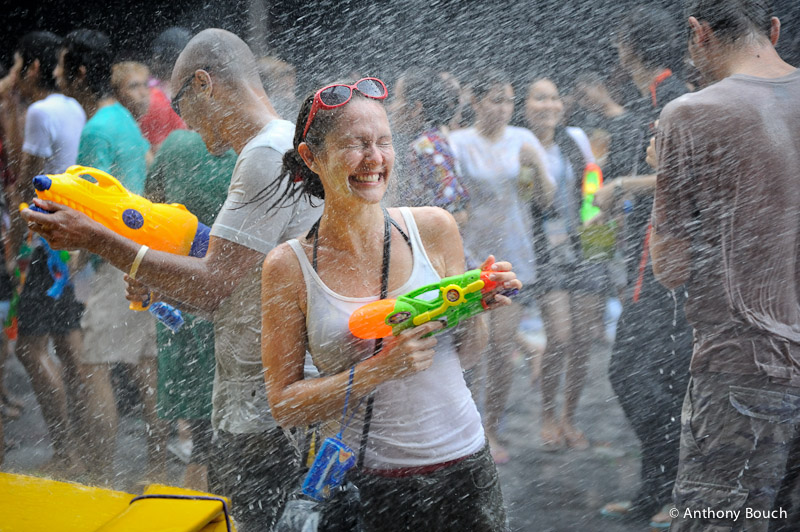
Songkran is Thailand’s traditional New Year festival and a national holiday. It is known for its country-wide water festival and street water fights that take over cities and towns each April.
Songkran officially runs from 13–15 April each year. In practice, many destinations extend the celebration with parades, concerts, and designated splash zones that last several days. In 2026, the official public holiday falls on 13–15 April, when government offices and many local businesses close.
The festival holds a dual identity. It is a Buddhist merit-making period focused on cleansing, renewal, and respect. At the same time, it has evolved into a lively public celebration filled with water play, music, and street gatherings.
Why Songkran 2026 is Special?
In 2026, Songkran receives even greater attention because UNESCO inscribed the festival on the Representative List of the Intangible Cultural Heritage of Humanity (UNESCO ICH) at the end of 2023. This recognition, officially announced on December 6, 2023, has encouraged Thailand to promote Songkran more vigorously than ever.
In addition, major cities continue the trend of extending the festival: for instance, the 2025 Maha Songkran World Festival ran from April 11–15 with over 100 events across Thailand’s regions. Visitors in 2026 can also expect multi-day water celebrations around the core dates of April 13–15.
The Origins of Songkran
Songkran originates from the solar New Year tradition observed across South and Southeast Asia. The name “Songkran” comes from the Sanskrit word saṅkrānti, meaning “transition” or “movement,” referring to the sun’s passage from the constellation Pisces into Aries.
Traditionally, Songkran begins after the end of the harvest season in late spring. People clean their homes and temples to rid themselves of the previous year’s misfortune. This includes gently washing Buddha statues and shrines with scented water, then using the blessed water to lightly pour over elders and family members as a ritual of purification, atonement, and blessing.
Offering food to monks at the temple in the early morning and making merit are also key parts of the New Year ceremonies. During the three-day period, locals often wake up early to perform tak bat (alms-giving to monks), offer donations, and thoroughly clean their homes and temples to “wash away” bad luck.
Cultural and Religious Symbolism
In the Songkran Festival, water symbolizes purity and a fresh beginning. Splashing or pouring water represents “washing away” all misfortune, illness, and negativity of the old year, while inviting good luck, health, and prosperity for the new one.
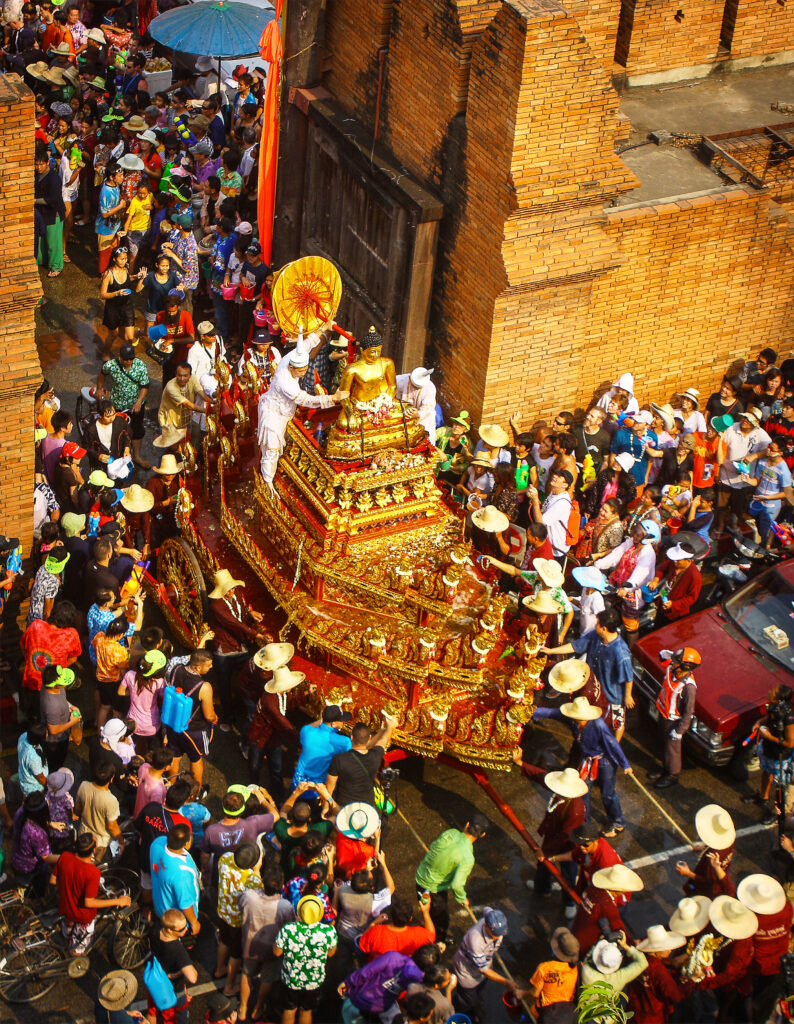
This is why traditional merit-making activities remain important: releasing birds, offering monastic robes to monks, making donations at temples, and participating in Buddha processions. For example, the Phra Phuttha Sihing Buddha procession in Chiang Mai winds through the old city streets, where devotees gather to pour water over the sacred image as an act of reverence.
Although modern Songkran has become lively with street water fights, spiritual practices such as visiting temples, paying respects to the Buddha, and honoring parents continue to play a central role, preserving the Thai cultural tradition of merit-making.
How Do Locals Celebrate Songkran Festival?
Songkran is a time for family reunions, showing gratitude to ancestors, and joyful celebration. Popular activities include:
Merit-Making at Temples
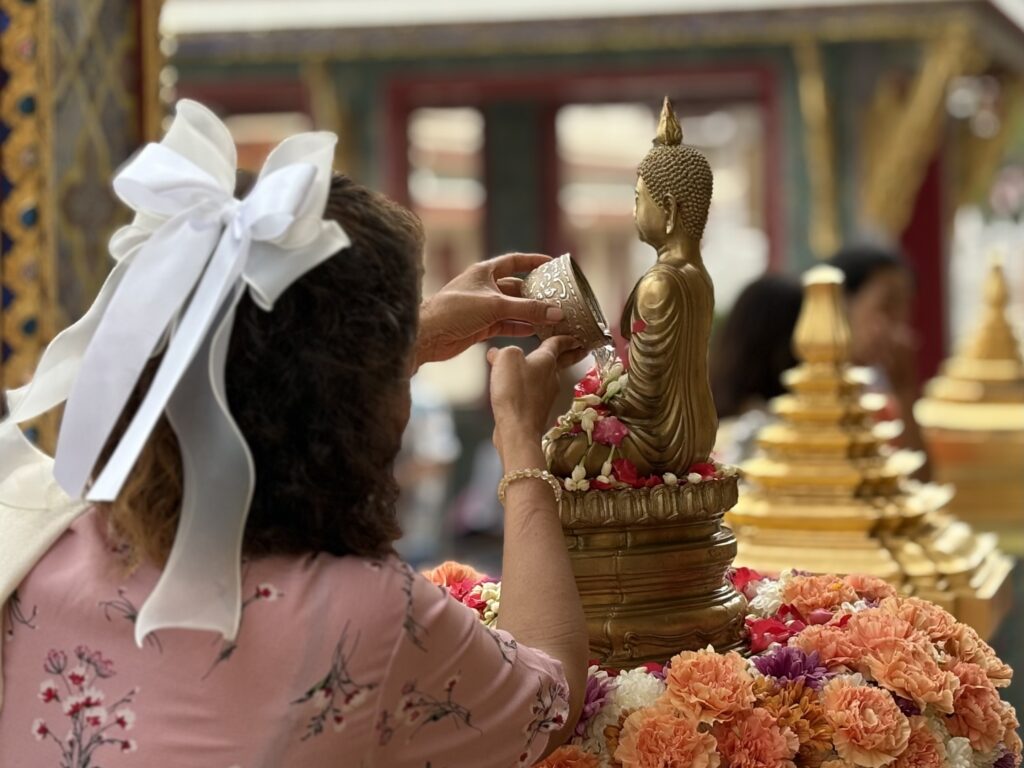
On the morning of April 13 (traditionally linked to the old calendar’s “Clear and Bright” period), many people visit temples to offer food to monks, listen to sermons, and perform offering rituals. They also bathe Buddha images with scented water—often rice water—known as Song Nam Phra, to express reverence and seek blessings.
Bathe Buddha Statues
Families place bowls of fragrant water mixed with jasmine or herbs at home altars and in temples. They gently pour the scented water over Buddha statues, symbolizing pure devotion and a fresh start for the New Year.
Rod Nam Dam Hua
During Songkran, younger family members use fragrant jasmine water (poured from small bowls) to gently splash the hands or shoulders of parents, grandparents, and elders. This act serves as both a birthday blessing and a request for forgiveness and good wishes. The ritual strengthens family bonds and expresses filial piety.
Notably, April 13 is designated as “National Elders’ Day” and April 14 as “National Family Day” in Thailand, prompting many people who live far away to return to their hometowns.
Building Sand Pagodas at The Temple
Locals bring sand or soil into the temple grounds and create small sand pagodas (chedi sai), often decorated with flags, flowers, candles, and ceremonial banners. According to legend, this is a way to “return” the earth unintentionally carried away on shoes throughout the year and to make merit for the temple. Temples nationwide hold sand stupa competitions, adding to the festive atmosphere.
Street Water Fights & Splash Zones
Major roads in cities, such as Silom in Bangkok or the old city moat area in Chiang Mai, are closed to traffic and transformed into giant water playgrounds. Young people armed with water guns, buckets, and hoses splash anyone passing by. They believe that dousing others with water washes away bad luck and the summer heat, bringing a cool, refreshing start to the New Year.
Chalk, Powder, and Scented Water
In addition to water, Thais apply baby powder or white chalk to faces and arms for good luck (similar to India’s Holi festival). They may draw small patterns before applying the powder, creating a joyful, colorful sight. Occasionally, fragrant herbs or jasmine are added to the splashing water, enhancing both the aroma and the ritual meaning when offering to the Buddha or elders.
Parades, Beauty Contests, and Cultural Shows
Many locations organize lotus flower and Buddha image processions, beauty contests such as “Miss Songkran,” and traditional art performances. Streets and festival venues feature stages with Thai classical dance, folk performances, and puppet shows. In Ayutthaya, for instance, there are elephant parades and folk dances, while Bangkok hosts the Songkran Queen pageant and screenings of traditional films.
Top Places to Celebrate Songkran in Thailand
The following destinations are renowned for their unique Songkran atmospheres:
Songkran in Bangkok
Silom Road is Bangkok’s premier “water party” hub, drawing crowds of young people with energetic music blasting along both sides of the street. From around April 12–15, revelers gather for massive water gun battles and outdoor dancing.
The Siam/CentralWorld (Ratchaprasong) area, located in the bustling commercial heart, regularly hosts community events, performances, and crowded water-play zones right in front of major shopping malls.
Khao San Road is a backpacker favorite, turning into an all-day-and-night party packed with water and powder fun.
To move easily between festival zones and rest when needed, visitors should choose a hotel near the BTS Skytrain. Ad Lib Bangkok, located just steps from BTS Phloen Chit, serves as a tranquil “urban oasis” in the heart of Sukhumvit—perfectly convenient for accessing Songkran hotspots.
Songkran in Chiang Mai
Chiang Mai is the traditional capital of northern Songkran celebrations. The courtyards inside the old city walls (around the ancient moat) transform into lively water battlegrounds, with water often pumped from the surrounding canals. The city also maintains rich traditional rituals, including the Buddha image procession along Thapae Road, bathing ceremonies at Wat Phra Singh, and vibrant Lanna cultural performances.
According to the Tourism Authority of Thailand (TAT), Chiang Mai is considered one of the best places to experience Songkran, offering grand cultural parades, solemn religious ceremonies, and spectacular water fights. The atmosphere here beautifully blends fun and reverence, ideal for travelers seeking both celebration and cultural depth.
Songkran in Phuket, Pattaya, and Beaches
Coastal cities often combine street parades with beach parties. Pattaya (Chonburi) extends the fun with the Wan Lai Festival until April 19. Phuket and islands such as Ko Samui and Ko Pha Ngan host lively beach parties on Songkran night.
Many families opt for water parks or child-friendly foam parties on the sand (common in central Pattaya) for safe, enjoyable celebrations.
Songkran in Isan & Khon Kaen
The northeastern Isan region celebrates Songkran with strong local character and a warm community spirit. Khon Kaen, the capital of Isan, hosts one of the region’s biggest festivals, centered around Khao Niao Street near Kaen Nakhon Lake.
Highlights include ox-cart parades with colorful flags, folk performances, and food markets. Visitors can stroll along the walking street and Khon Kaen Night Market to enjoy local cuisine and handicrafts as souvenirs. Other Isan provinces such as Udon Thani and Nong Khai also organize folk parades, traditional dances, and riverside water fights along the Mekong.
Songkran evenings in Isan feel more relaxed than in Bangkok—guests can enjoy Lanna-style music and Isan cuisine before returning to modern hotels for a good night’s rest.
What to Eat During Songkran?
Even while playing hard all day, don’t forget to refuel with Thailand’s famous street food: grilled skewers, crispy oyster pancakes (khot), Pad Thai, mango sticky rice, coconut ice cream, fresh coconut water, or chilled Thai tea. For evening parties, opt for fresh coconut juice or iced Thai tea instead of too much alcohol.
At Ad Lib Khon Kaen, on-site restaurants offer both modern Thai and Western cuisine. Seasons 27 specializes in Italian-Asian fusion, while Food by Fire serves traditional Isan grilled dishes using local ingredients.
Guests are encouraged to experience both street food and hotel dining—sample som tam (papaya salad), Thai hotpot, and grilled items from night market stalls, then return to the hotel for a comfortable meal when tired.
Why stay at Ad Lib Bangkok for Songkran Festival?
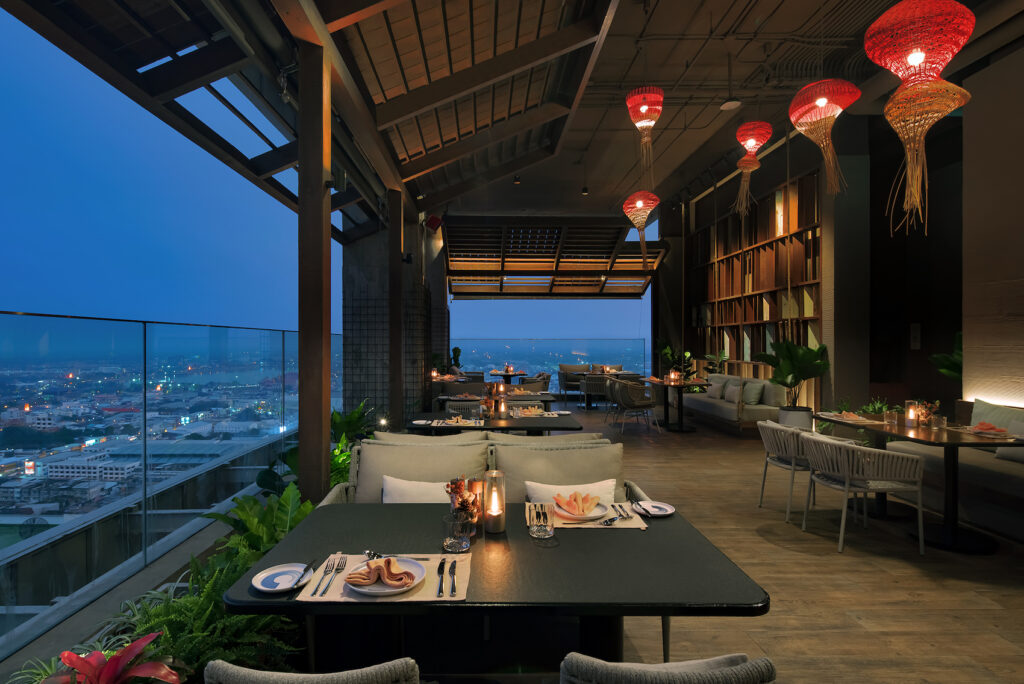
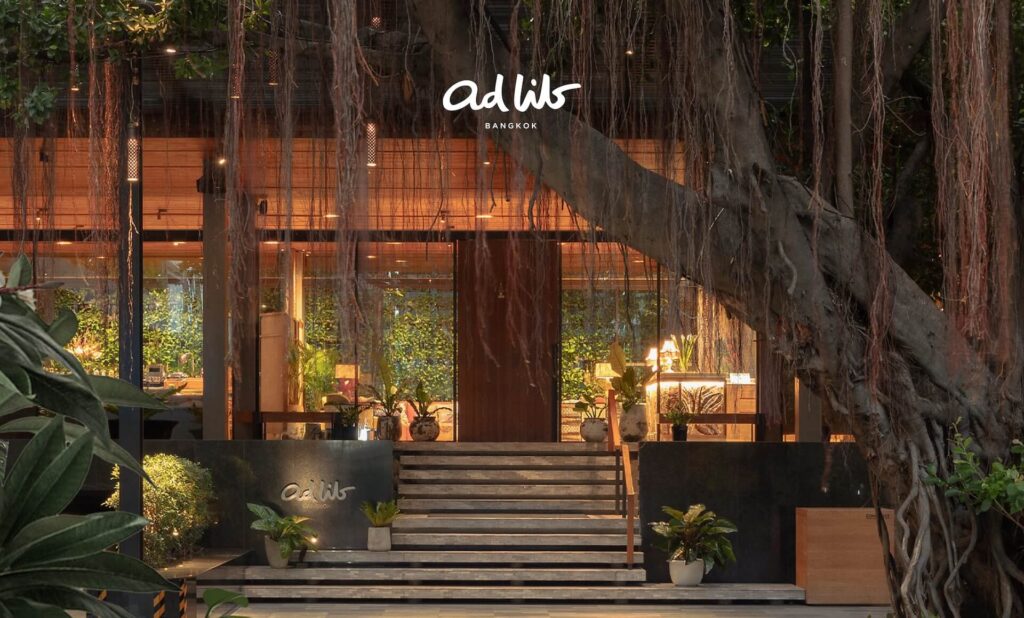
Ad Lib Bangkok is known as a peaceful “urban oasis” tucked away in the lively Sukhumvit district. The hotel sits in a quiet lane shaded by a large banyan tree, just a short walk from BTS Phloen Chit, making it extremely convenient to reach Songkran celebration areas.
The hotel offers flexible services that reduce travel stress during the festive period: members enjoy flexible check-in/check-out, complimentary drinks and light bites during Social Hour every evening (two free drinks plus snacks), and a 10% discount on food and beverages (including alcoholic drinks).
In short, guests can dive into the wild fun of Songkran all day and then return to Ad Lib for relaxation by the rooftop pool and international dining.
Why stay at Ad Lib Khon Kaen for Songkran Festival?
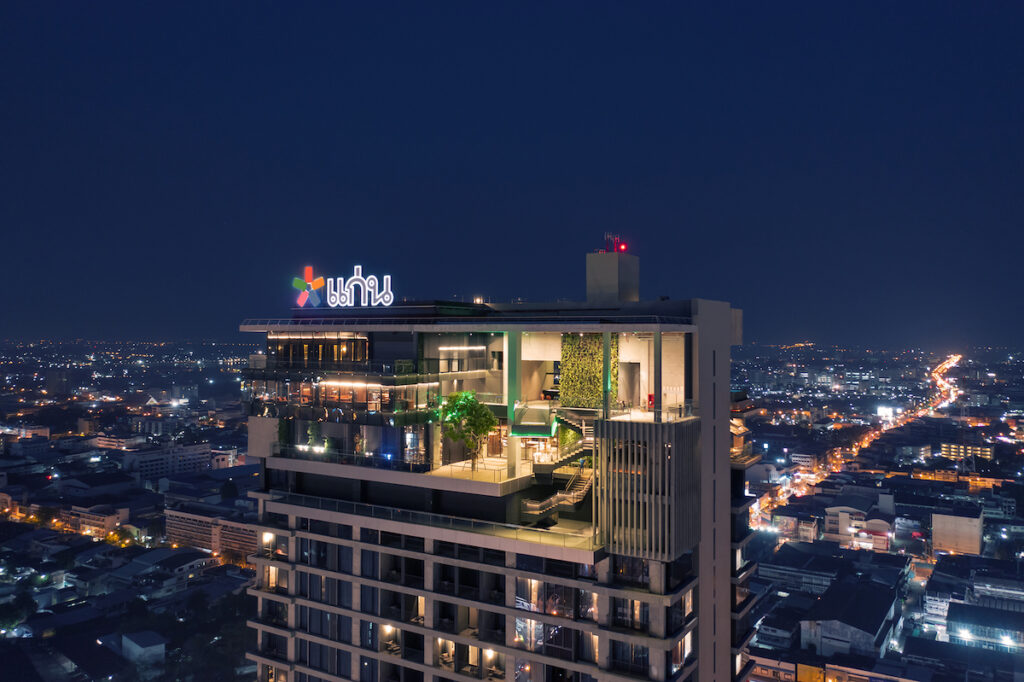
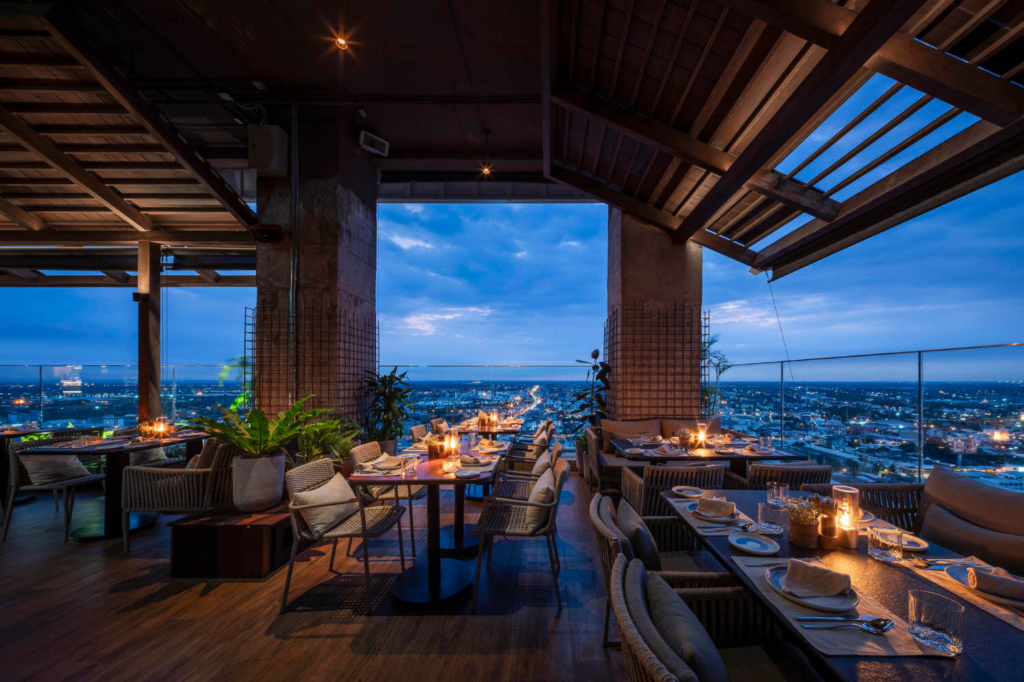
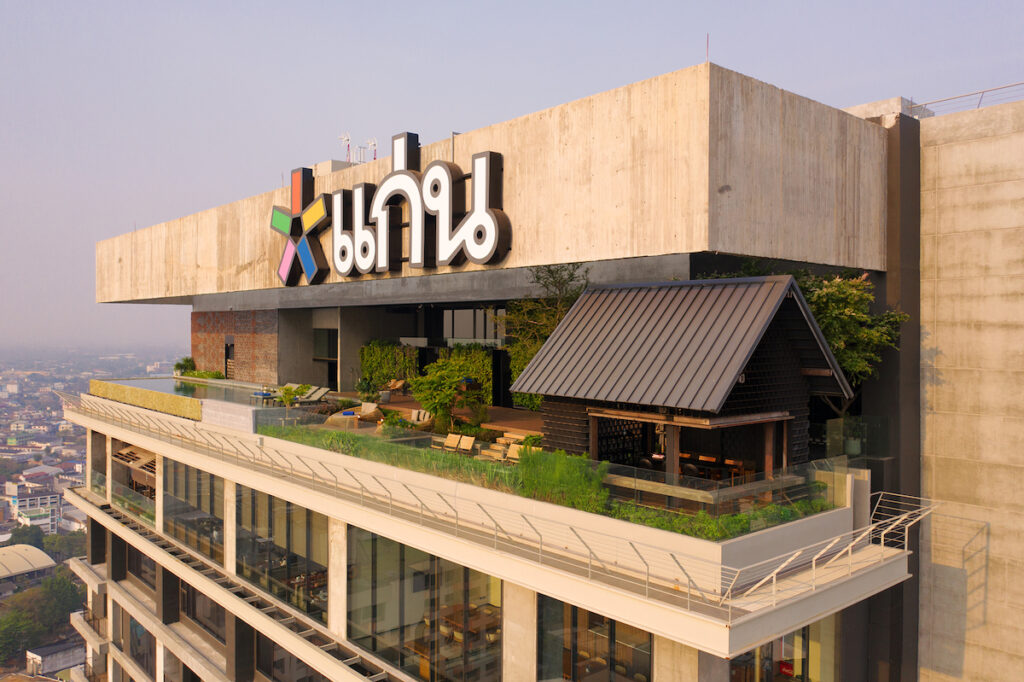
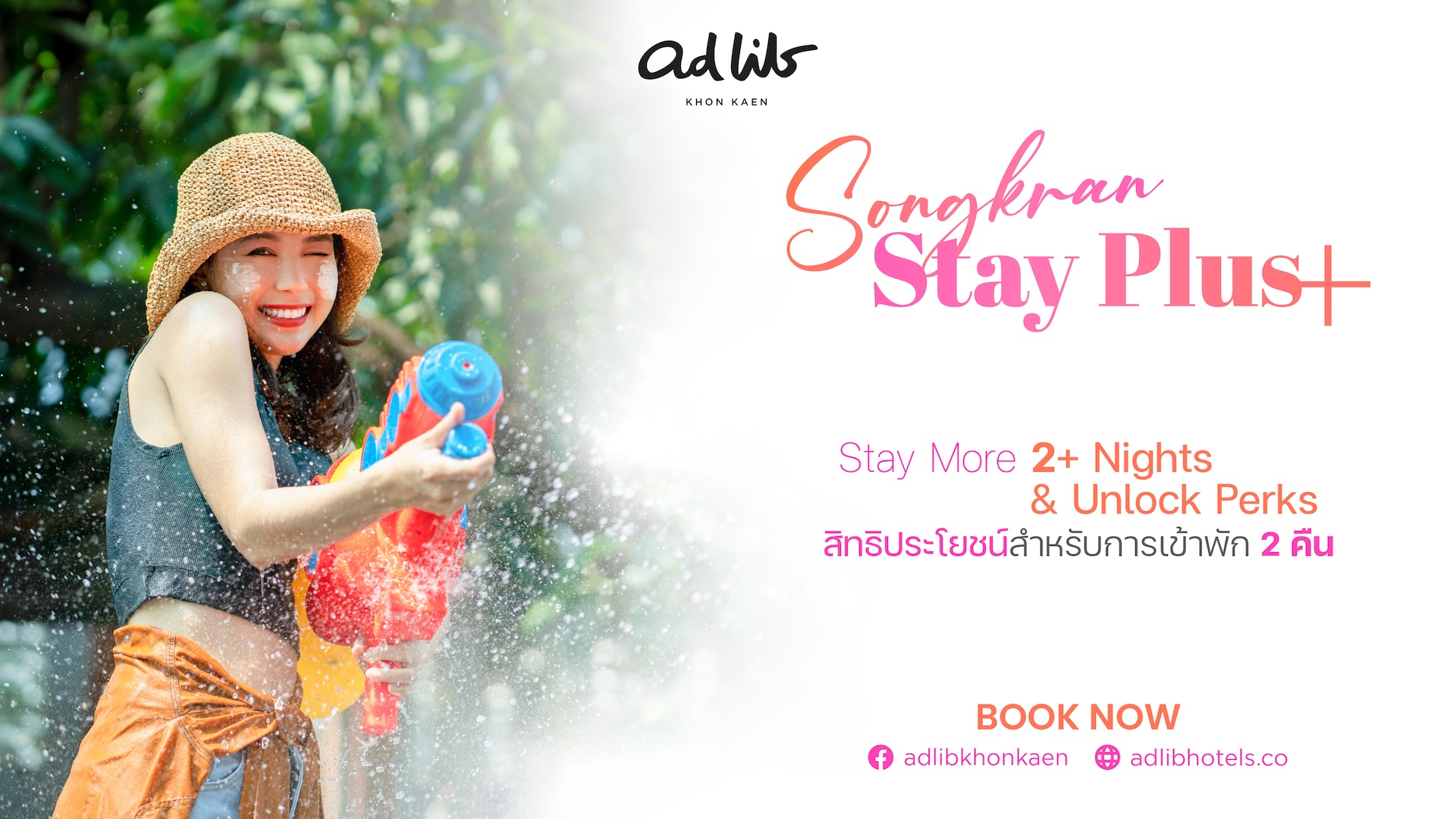
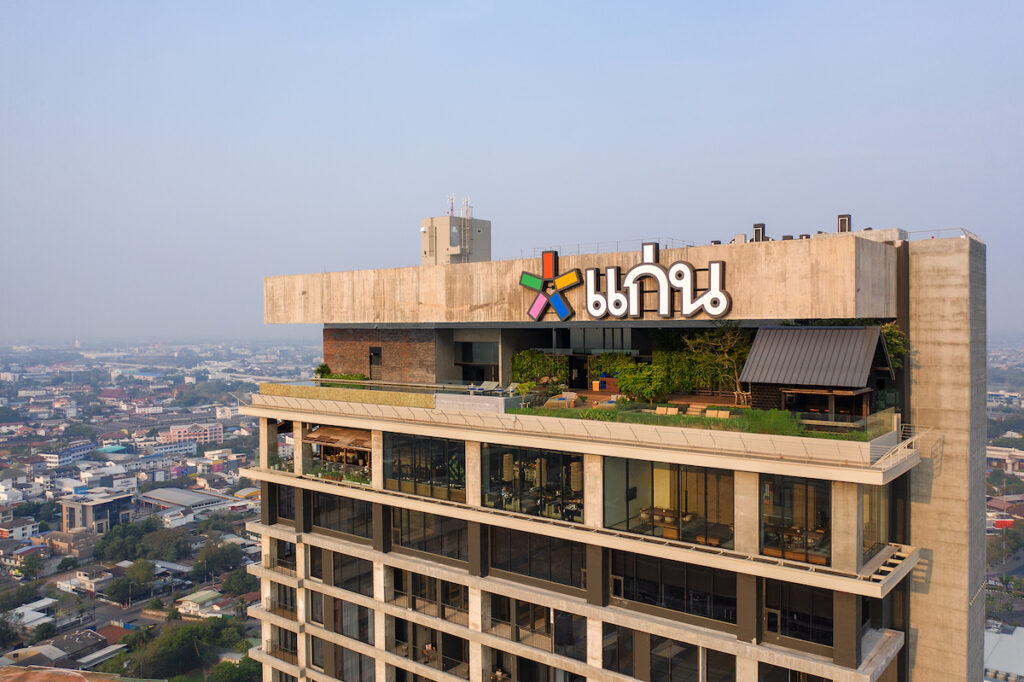
Ad Lib Khon Kaen blends modern design with authentic Isan character. Located in the heart of Khon Kaen city, near Kaen Nakhon Lake, the hotel is within walking distance of the walking street and night markets. Guests can join the distinctive Isan-style Songkran festivities right outside, then return to a space decorated with locally crafted woven textiles and pottery by Isan artisans.
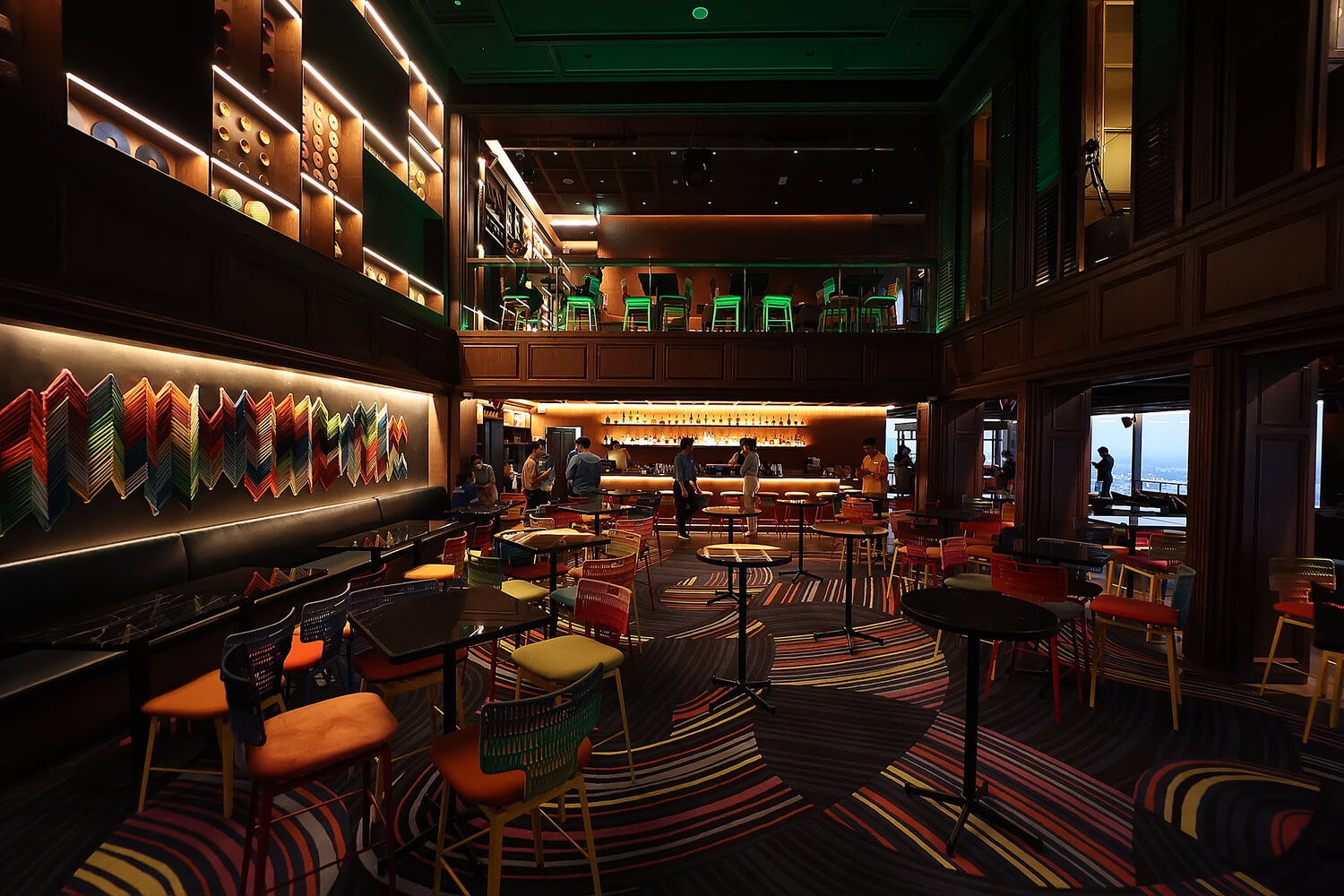
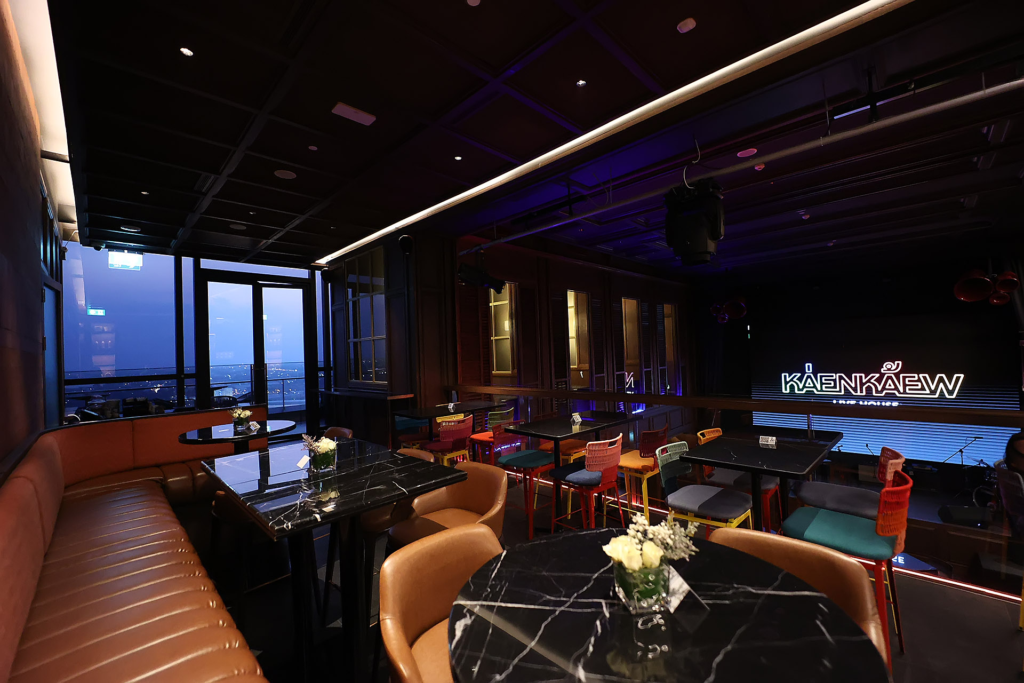
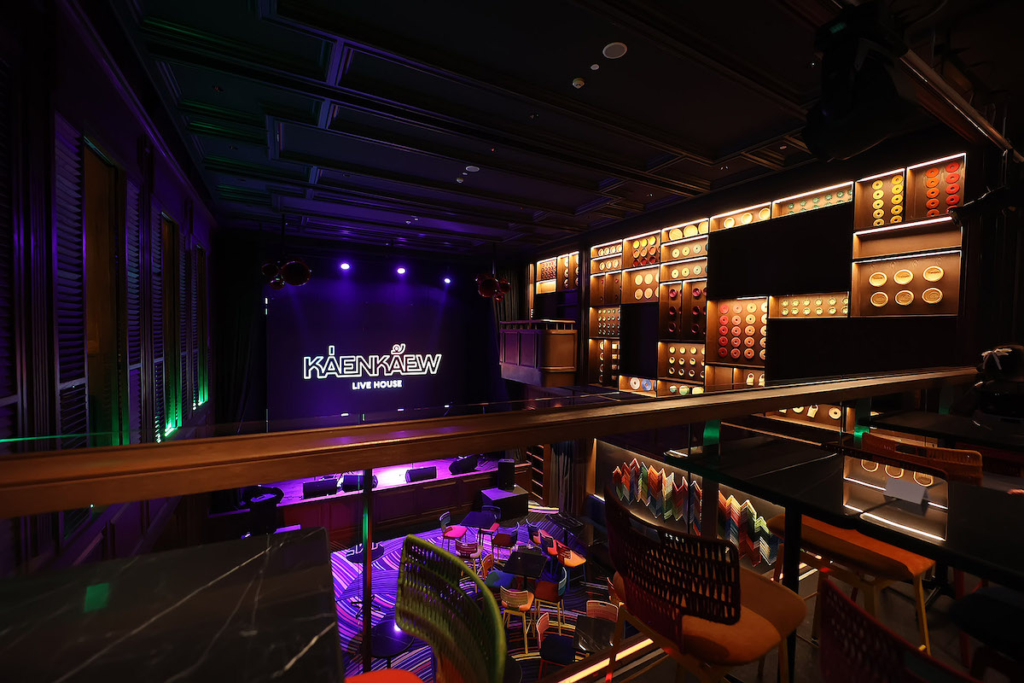
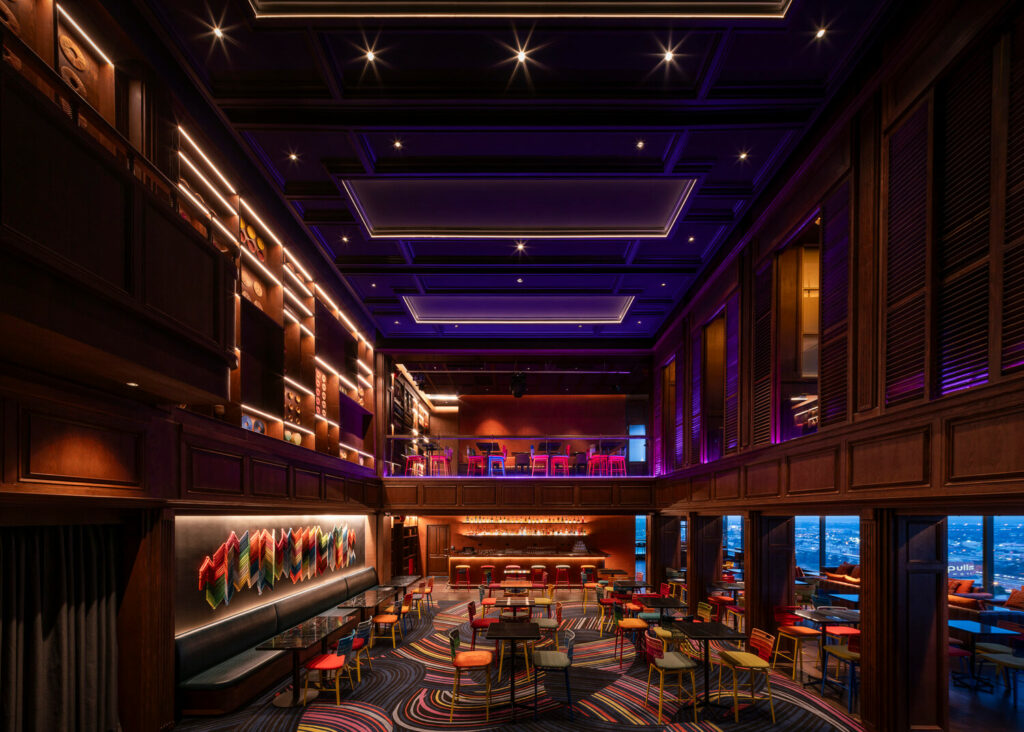
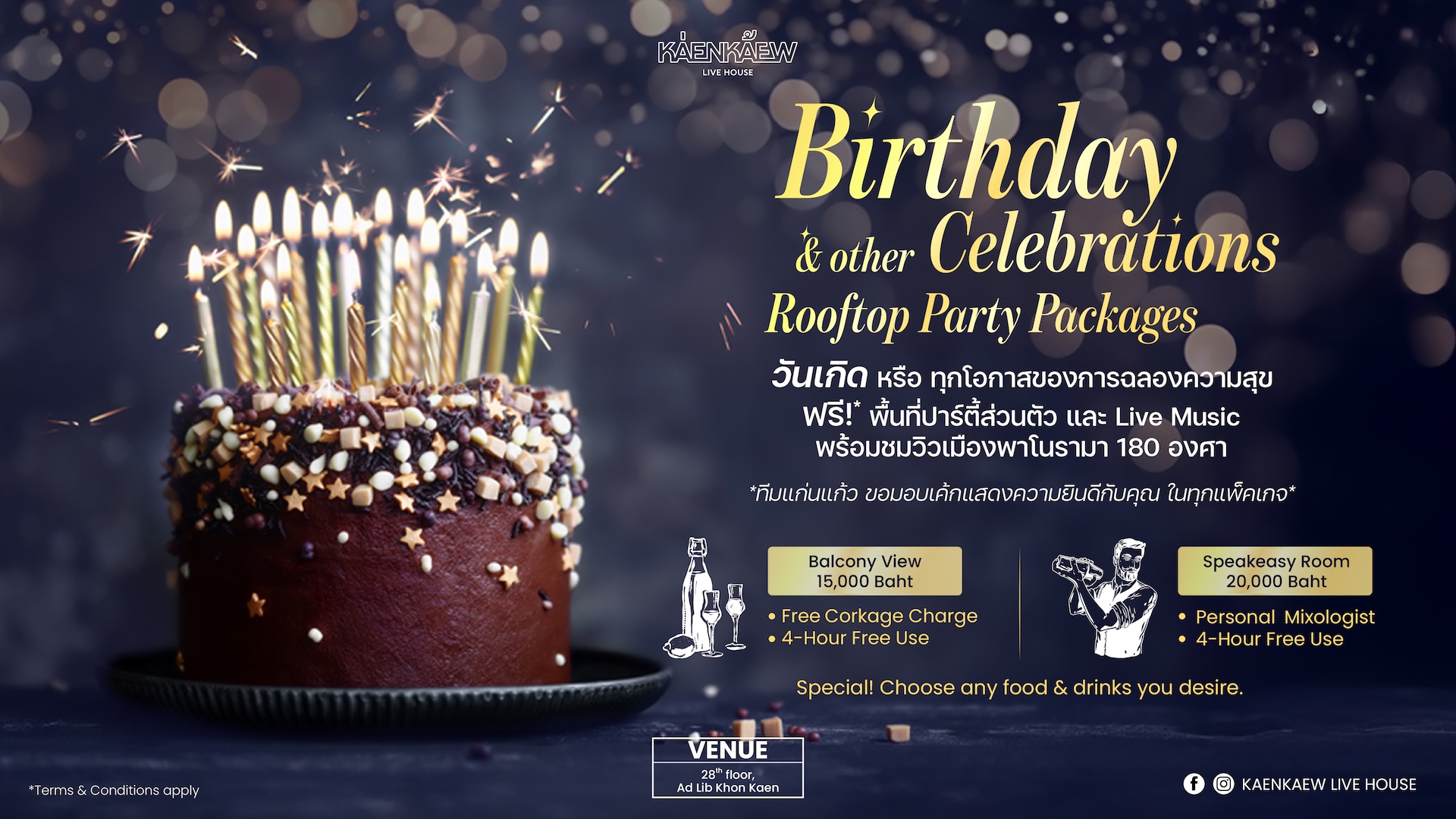
The hotel also provides diverse on-site dining options, including Kaen Ground café, Food by Fire’s Isan grill station, and the lively Kaenkaew Live House for music and dining. This setup allows visitors to enjoy cultural sites and village-style festivities by day, then savor high-quality local cuisine and live music in the evening without traveling far.
FAQs
What is the Songkran Festival?
Songkran is Thailand’s traditional New Year celebration held in mid-April, originating from the day the sun enters the constellation Aries. During the festival, people splash water on one another to symbolize washing away the bad luck of the old year and welcoming good fortune for the new one. At the same time, Songkran is a time for family reunions, temple visits, and making merit. In 2024, UNESCO recognized Thailand’s Songkran Festival as Intangible Cultural Heritage of Humanity (commonly referred to as “Songkran”).
When does Songkran 2026 take place in Thailand?
Songkran is officially celebrated over three days: April 13, 14, and 15 each year. In 2026, it falls from Monday, April 13 to Wednesday, April 15, and all three days are national public holidays. Many provinces and cities extend the celebrations by a few days before or after (for example, Bangkok in 2025 began activities from April 11).
Is Songkran safe for families and children?
Yes, it can be enjoyed as a family activity, but it’s best to avoid overly wild party zones like Khao San Road in the evening. Instead, choose daytime activities in residential areas or well-organized venues such as temples and parks (which usually have better supervision and less alcohol). Many large shopping malls also offer water-free or protected play zones for children. Always keep personal belongings in waterproof bags and closely supervise children on wet streets to prevent slips. Overall, Songkran is great fun but requires caution and awareness when participating with young children.
What should I wear and bring for Songkran?
Opt for lightweight, quick-dry clothing (collared T-shirts are popular), sturdy flip-flops, and sunglasses to protect your eyes. Don’t forget waterproof pouches or cases for phones and cameras. Bring sunscreen and plenty of drinking water, as April in Thailand is very hot. For evening parties, carry a small towel for drying off. (For more detailed personal preparation tips, refer to the Songkran packing guide mentioned earlier.)
Can I avoid getting wet during Songkran?
In the main hotspots like Silom and Khao San, it is almost impossible to stay completely dry. However, if you need to stay dry, retreat to temples, shopping malls, or quieter residential areas where water fights are minimal. During the festival, many people seek shelter inside temples around Sanam Luang in Bangkok or under the awnings of night markets. Beach resorts and island destinations also tend to be calmer than the city center if you prefer to stay away from the main action.