
Destination

Rooms

- +

Guests

- +
- +
- +

When do you arrive?

[2026] Songkran Festival: Discover The Songkran New Year Water Festival in Thailand

Songkran marks the Thai New Year with a mix of temple rituals, family traditions, and citywide water play. In 2026, the festival returns from 13–15 April, with major destinations extending the celebration beyond the core holiday dates. 

Whether you plan to join the action in Bangkok or experience a more local pace in Khon Kaen, this guide helps you understand the festival and choose the right base for your stay. Ad Lib Bangkok and Ad Lib Khon Kaen both offer a calm, design-led retreat after a full day in the festival crowd.
What is the Songkran?

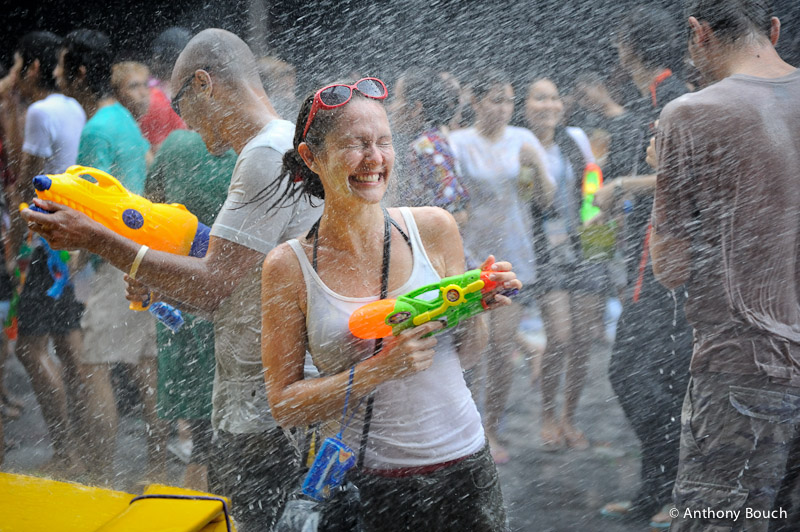
Songkran is Thailand’s traditional New Year festival and a national holiday. It is known for its country-wide water festival and street water fights that take over cities and towns each April.

Songkran officially runs from 13–15 April each year. In practice, many destinations extend the celebration with parades, concerts, and designated splash zones that last several days. In 2026, the official public holiday falls on 13–15 April, when government offices and many local businesses close.

The festival holds a dual identity. It is a Buddhist merit-making period focused on cleansing, renewal, and respect. At the same time, it has evolved into a lively public celebration filled with water play, music, and street gatherings.
Why Songkran 2026 is Special?

In 2026, Songkran receives even greater attention because UNESCO inscribed the festival on the Representative List of the Intangible Cultural Heritage of Humanity (UNESCO ICH) at the end of 2023. This recognition, officially announced on December 6, 2023, has encouraged Thailand to promote Songkran more vigorously than ever. 

In addition, major cities continue the trend of extending the festival: for instance, the 2025 Maha Songkran World Festival ran from April 11–15 with over 100 events across Thailand’s regions. Visitors in 2026 can also expect multi-day water celebrations around the core dates of April 13–15.

The Origins of Songkran

Songkran originates from the solar New Year tradition observed across South and Southeast Asia. The name “Songkran” comes from the Sanskrit word saṅkrānti, meaning “transition” or “movement,” referring to the sun’s passage from the constellation Pisces into Aries. 

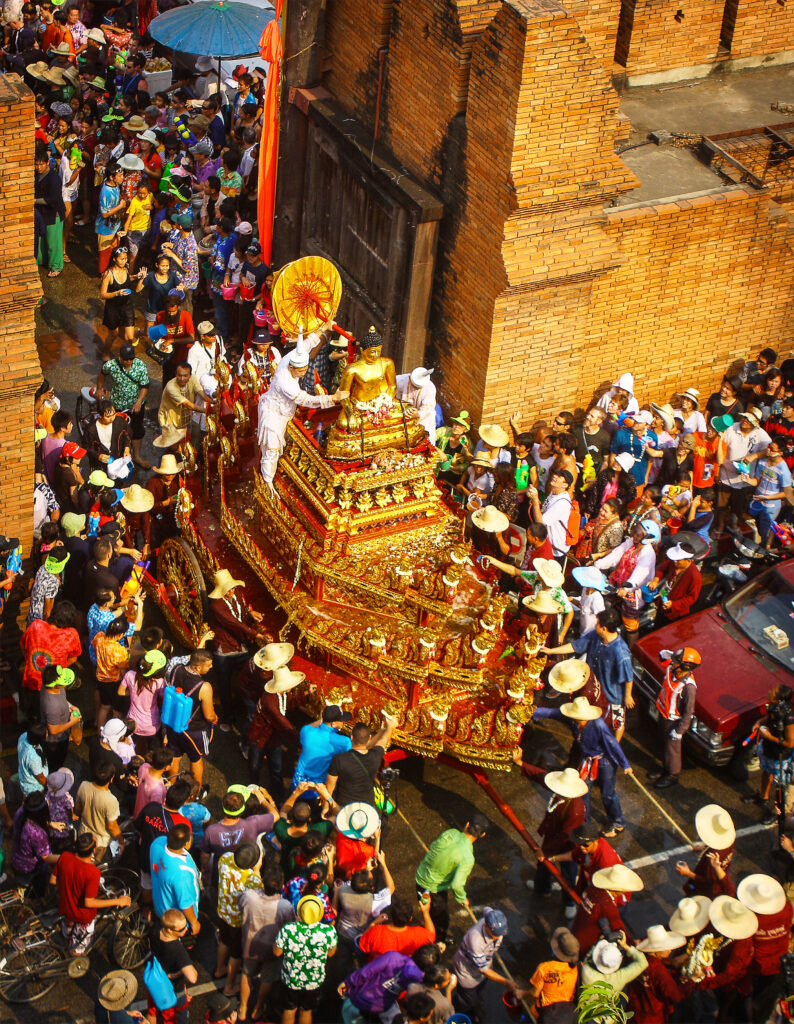
Traditionally, Songkran begins after the end of the harvest season in late spring. People clean their homes and temples to rid themselves of the previous year’s misfortune. This includes gently washing Buddha statues and shrines with scented water, then using the blessed water to lightly pour over elders and family members as a ritual of purification, atonement, and blessing. 

Offering food to monks at the temple in the early morning and making merit are also key parts of the New Year ceremonies. During the three-day period, locals often wake up early to perform tak bat (alms-giving to monks), offer donations, and thoroughly clean their homes and temples to “wash away” bad luck.

Cultural and Religious Symbolism

In the Songkran Festival, water symbolizes purity and a fresh beginning. Splashing or pouring water represents “washing away” all misfortune, illness, and negativity of the old year, while inviting good luck, health, and prosperity for the new one. 

This is why traditional merit-making activities remain important: releasing birds, offering monastic robes to monks, making donations at temples, and participating in Buddha processions. For example, the Phra Phuttha Sihing Buddha procession in Chiang Mai winds through the old city streets, where devotees gather to pour water over the sacred image as an act of reverence.

Although modern Songkran has become lively with street water fights, spiritual practices such as visiting temples, paying respects to the Buddha, and honoring parents continue to play a central role, preserving the Thai cultural tradition of merit-making.

How Do Locals Celebrate Songkran Festival?

Songkran is a time for family reunions, showing gratitude to ancestors, and joyful celebration. Popular activities include:

Merit-Making at Temples

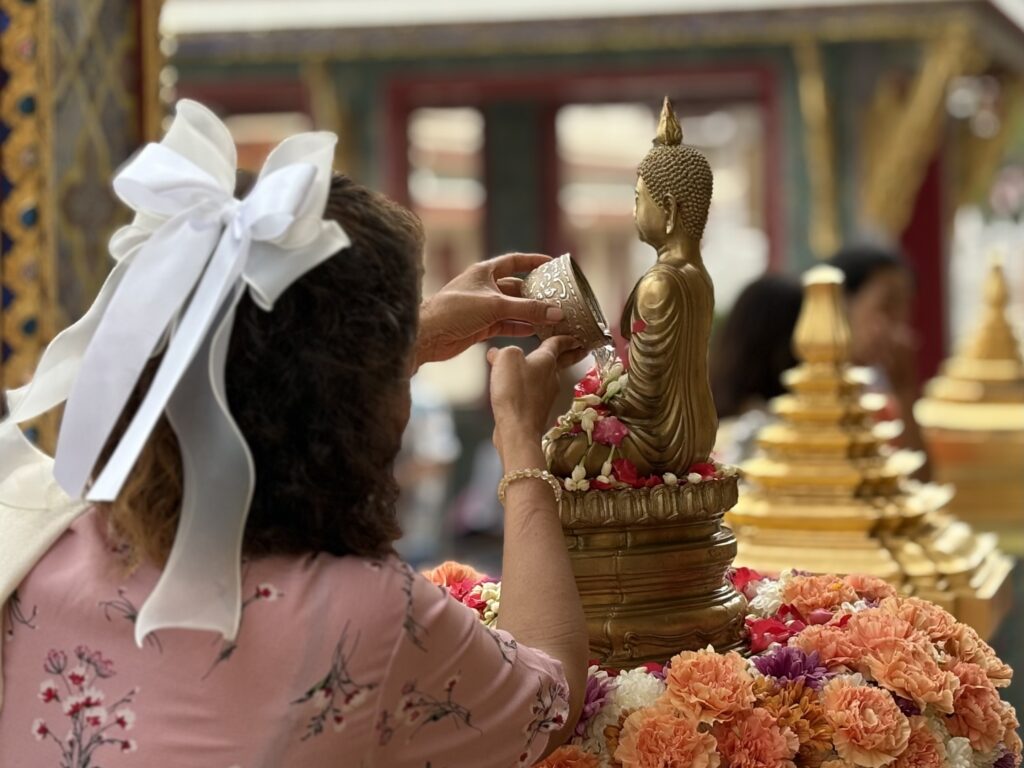
On the morning of April 13 (traditionally linked to the old calendar’s “Clear and Bright” period), many people visit temples to offer food to monks, listen to sermons, and perform offering rituals. They also bathe Buddha images with scented water—often rice water—known as Song Nam Phra, to express reverence and seek blessings.

Bathe Buddha Statues

Families place bowls of fragrant water mixed with jasmine or herbs at home altars and in temples. They gently pour the scented water over Buddha statues, symbolizing pure devotion and a fresh start for the New Year.
Rod Nam Dam Hua

During Songkran, younger family members use fragrant jasmine water (poured from small bowls) to gently splash the hands or shoulders of parents, grandparents, and elders. This act serves as both a birthday blessing and a request for forgiveness and good wishes. The ritual strengthens family bonds and expresses filial piety. 

Notably, April 13 is designated as “National Elders’ Day” and April 14 as “National Family Day” in Thailand, prompting many people who live far away to return to their hometowns.

Building Sand Pagodas at The Temple

Locals bring sand or soil into the temple grounds and create small sand pagodas (chedi sai), often decorated with flags, flowers, candles, and ceremonial banners. According to legend, this is a way to “return” the earth unintentionally carried away on shoes throughout the year and to make merit for the temple. Temples nationwide hold sand stupa competitions, adding to the festive atmosphere.

Street Water Fights & Splash Zones

Major roads in cities, such as Silom in Bangkok or the old city moat area in Chiang Mai, are closed to traffic and transformed into giant water playgrounds. Young people armed with water guns, buckets, and hoses splash anyone passing by. They believe that dousing others with water washes away bad luck and the summer heat, bringing a cool, refreshing start to the New Year. 

Chalk, Powder, and Scented Water

In addition to water, Thais apply baby powder or white chalk to faces and arms for good luck (similar to India’s Holi festival). They may draw small patterns before applying the powder, creating a joyful, colorful sight. Occasionally, fragrant herbs or jasmine are added to the splashing water, enhancing both the aroma and the ritual meaning when offering to the Buddha or elders.

Parades, Beauty Contests, and Cultural Shows 

Many locations organize lotus flower and Buddha image processions, beauty contests such as “Miss Songkran,” and traditional art performances. Streets and festival venues feature stages with Thai classical dance, folk performances, and puppet shows. In Ayutthaya, for instance, there are elephant parades and folk dances, while Bangkok hosts the Songkran Queen pageant and screenings of traditional films.

Top Places to Celebrate Songkran in Thailand

The following destinations are renowned for their unique Songkran atmospheres:

Songkran in Bangkok

Silom Road is Bangkok’s premier “water party” hub, drawing crowds of young people with energetic music blasting along both sides of the street. From around April 12–15, revelers gather for massive water gun battles and outdoor dancing. 

The Siam/CentralWorld (Ratchaprasong) area, located in the bustling commercial heart, regularly hosts community events, performances, and crowded water-play zones right in front of major shopping malls. 

Khao San Road is a backpacker favorite, turning into an all-day-and-night party packed with water and powder fun. 

To move easily between festival zones and rest when needed, visitors should choose a hotel near the BTS Skytrain. Ad Lib Bangkok, located just steps from BTS Phloen Chit, serves as a tranquil “urban oasis” in the heart of Sukhumvit—perfectly convenient for accessing Songkran hotspots.

Songkran in Chiang Mai

Chiang Mai is the traditional capital of northern Songkran celebrations. The courtyards inside the old city walls (around the ancient moat) transform into lively water battlegrounds, with water often pumped from the surrounding canals. The city also maintains rich traditional rituals, including the Buddha image procession along Thapae Road, bathing ceremonies at Wat Phra Singh, and vibrant Lanna cultural performances. 

According to the Tourism Authority of Thailand (TAT), Chiang Mai is considered one of the best places to experience Songkran, offering grand cultural parades, solemn religious ceremonies, and spectacular water fights. The atmosphere here beautifully blends fun and reverence, ideal for travelers seeking both celebration and cultural depth.

Songkran in Phuket, Pattaya, and Beaches

Coastal cities often combine street parades with beach parties. Pattaya (Chonburi) extends the fun with the Wan Lai Festival until April 19. Phuket and islands such as Ko Samui and Ko Pha Ngan host lively beach parties on Songkran night. 

Many families opt for water parks or child-friendly foam parties on the sand (common in central Pattaya) for safe, enjoyable celebrations.

Songkran in Isan & Khon Kaen

The northeastern Isan region celebrates Songkran with strong local character and a warm community spirit. Khon Kaen, the capital of Isan, hosts one of the region’s biggest festivals, centered around Khao Niao Street near Kaen Nakhon Lake. 

Highlights include ox-cart parades with colorful flags, folk performances, and food markets. Visitors can stroll along the walking street and Khon Kaen Night Market to enjoy local cuisine and handicrafts as souvenirs. Other Isan provinces such as Udon Thani and Nong Khai also organize folk parades, traditional dances, and riverside water fights along the Mekong. 

Songkran evenings in Isan feel more relaxed than in Bangkok—guests can enjoy Lanna-style music and Isan cuisine before returning to modern hotels for a good night’s rest.

What to Eat During Songkran?

Even while playing hard all day, don’t forget to refuel with Thailand’s famous street food: grilled skewers, crispy oyster pancakes (khot), Pad Thai, mango sticky rice, coconut ice cream, fresh coconut water, or chilled Thai tea. For evening parties, opt for fresh coconut juice or iced Thai tea instead of too much alcohol.

At Ad Lib Khon Kaen, on-site restaurants offer both modern Thai and Western cuisine. Seasons 27 specializes in Italian-Asian fusion, while Food by Fire serves traditional Isan grilled dishes using local ingredients. 

Guests are encouraged to experience both street food and hotel dining—sample som tam (papaya salad), Thai hotpot, and grilled items from night market stalls, then return to the hotel for a comfortable meal when tired.
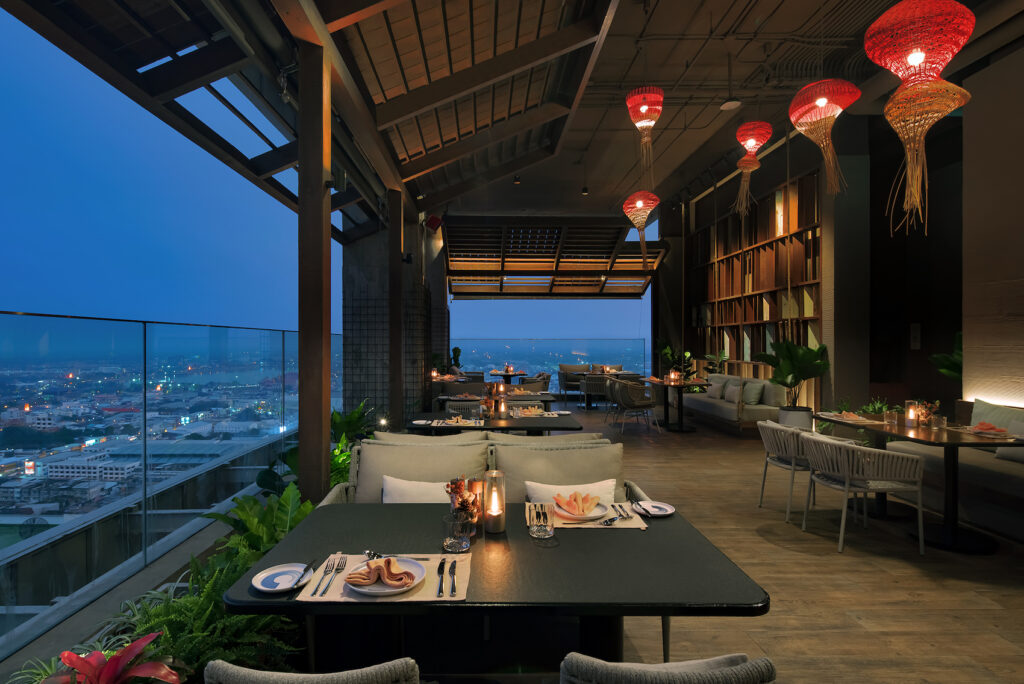
Why stay at Ad Lib Bangkok for Songkran Festival?

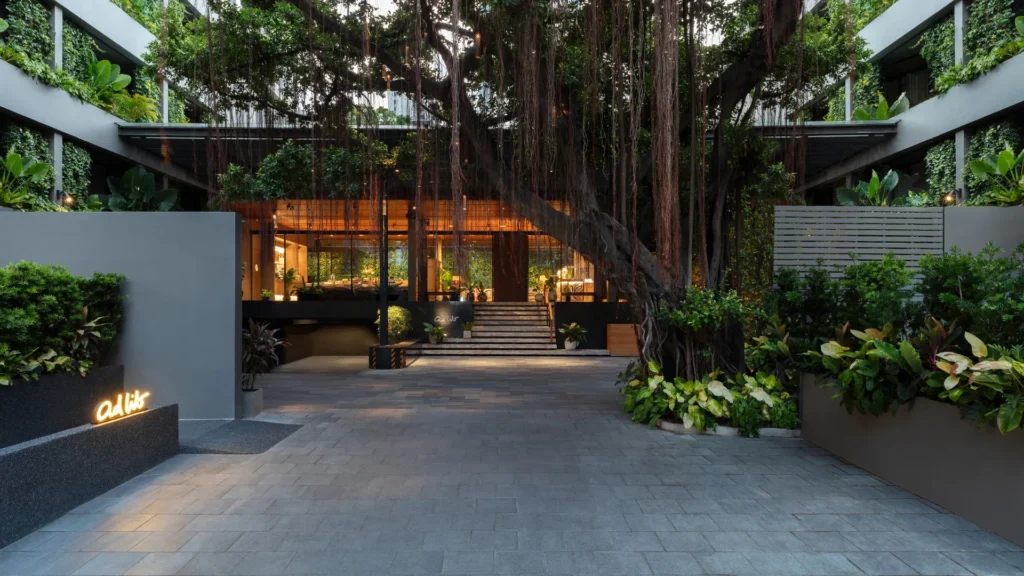
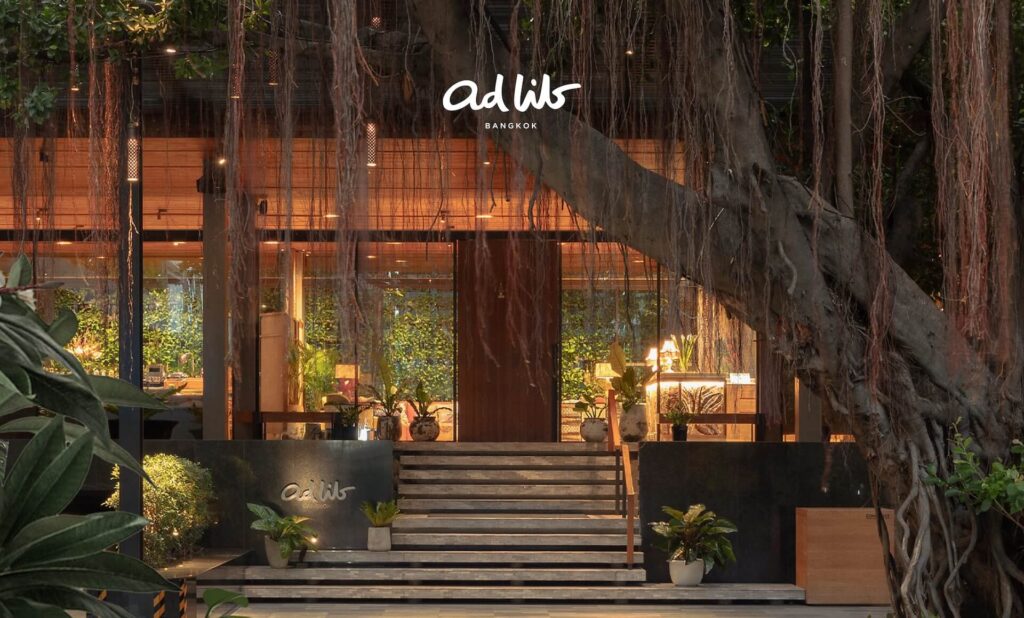
Ad Lib Bangkok is known as a peaceful “urban oasis” tucked away in the lively Sukhumvit district. The hotel sits in a quiet lane shaded by a large banyan tree, just a short walk from BTS Phloen Chit, making it extremely convenient to reach Songkran celebration areas. 

The hotel offers flexible services that reduce travel stress during the festive period: members enjoy flexible check-in/check-out, complimentary drinks and light bites during Social Hour every evening (two free drinks plus snacks), and a 10% discount on food and beverages (including alcoholic drinks). 

In short, guests can dive into the wild fun of Songkran all day and then return to Ad Lib for relaxation by the rooftop pool and international dining.
best boutique hotels in sukhumvit bangkok​

Why stay at Ad Lib Khon Kaen for Songkran Festival?

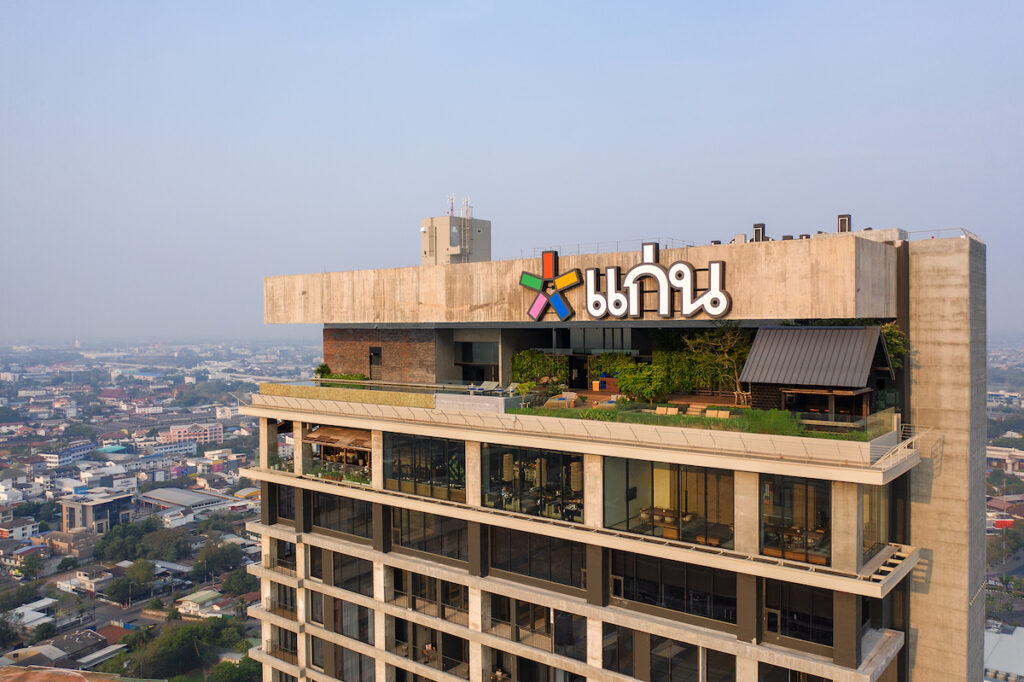
Ad Lib Khon Kaen blends modern design with authentic Isan character. Located in the heart of Khon Kaen city, near Kaen Nakhon Lake, the hotel is within walking distance of the walking street and night markets. Guests can join the distinctive Isan-style Songkran festivities right outside, then return to a space decorated with locally crafted woven textiles and pottery by Isan artisans. 

The hotel also provides diverse on-site dining options, including Kaen Ground café, Food by Fire’s Isan grill station, and the lively Kaenkaew Live House for music and dining. This setup allows visitors to enjoy cultural sites and village-style festivities by day, then savor high-quality local cuisine and live music in the evening without traveling far.
FAQs

What is the Songkran Festival?

Songkran is Thailand’s traditional New Year celebration held in mid-April, originating from the day the sun enters the constellation Aries. During the festival, people splash water on one another to symbolize washing away the bad luck of the old year and welcoming good fortune for the new one. At the same time, Songkran is a time for family reunions, temple visits, and making merit. In 2024, UNESCO recognized Thailand’s Songkran Festival as Intangible Cultural Heritage of Humanity (commonly referred to as “Songkran”).

When does Songkran 2026 take place in Thailand?

Songkran is officially celebrated over three days: April 13, 14, and 15 each year. In 2026, it falls from Monday, April 13 to Wednesday, April 15, and all three days are national public holidays. Many provinces and cities extend the celebrations by a few days before or after (for example, Bangkok in 2025 began activities from April 11).

Is Songkran safe for families and children?

Yes, it can be enjoyed as a family activity, but it’s best to avoid overly wild party zones like Khao San Road in the evening. Instead, choose daytime activities in residential areas or well-organized venues such as temples and parks (which usually have better supervision and less alcohol). Many large shopping malls also offer water-free or protected play zones for children. Always keep personal belongings in waterproof bags and closely supervise children on wet streets to prevent slips. Overall, Songkran is great fun but requires caution and awareness when participating with young children.

What should I wear and bring for Songkran?

Opt for lightweight, quick-dry clothing (collared T-shirts are popular), sturdy flip-flops, and sunglasses to protect your eyes. Don’t forget waterproof pouches or cases for phones and cameras. Bring sunscreen and plenty of drinking water, as April in Thailand is very hot. For evening parties, carry a small towel for drying off. (For more detailed personal preparation tips, refer to the Songkran packing guide mentioned earlier.)

Can I avoid getting wet during Songkran?

In the main hotspots like Silom and Khao San, it is almost impossible to stay completely dry. However, if you need to stay dry, retreat to temples, shopping malls, or quieter residential areas where water fights are minimal. During the festival, many people seek shelter inside temples around Sanam Luang in Bangkok or under the awnings of night markets. Beach resorts and island destinations also tend to be calmer than the city center if you prefer to stay away from the main action.
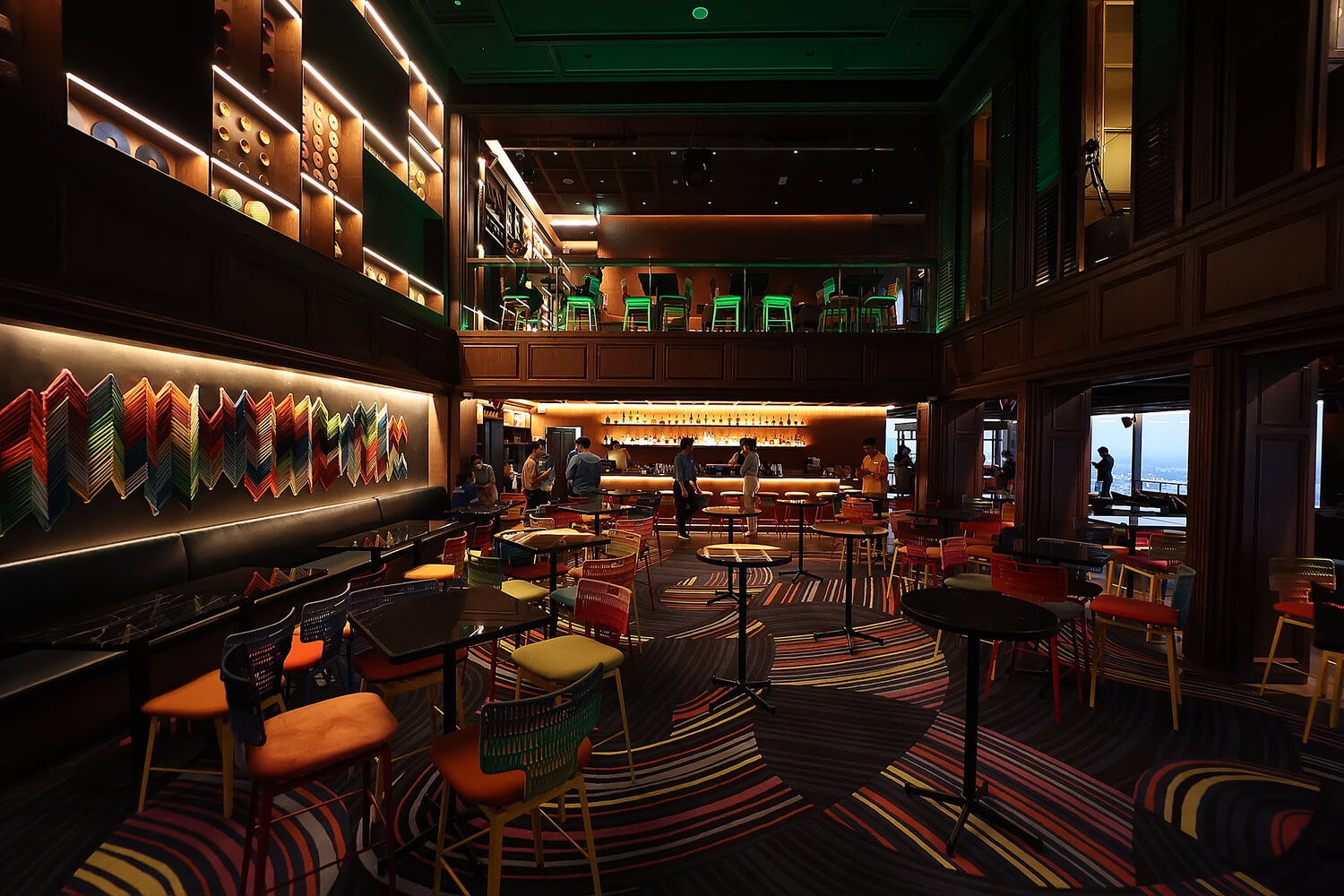
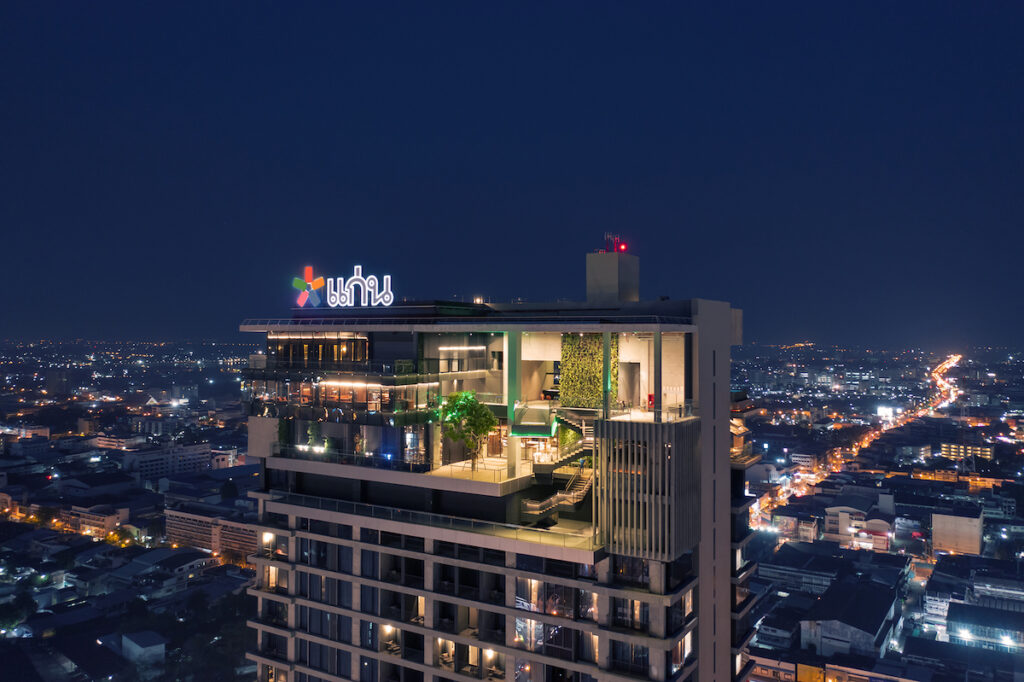
Best Rooftop Bar with Live Music in Khon Kaen

Khon Kaen’s nightlife moves at its own pace. It feels relaxed, yet active. Rooftop bars, live houses, café-bars, and a few late-night clubs shape the scene. The city suits travelers who want music, conversation, and open views without pressure.

A rooftop works well in many moments. It suits a date night, a small celebration, or a business trip evening with colleagues. It also fits a first night in town, before moving into busier streets.

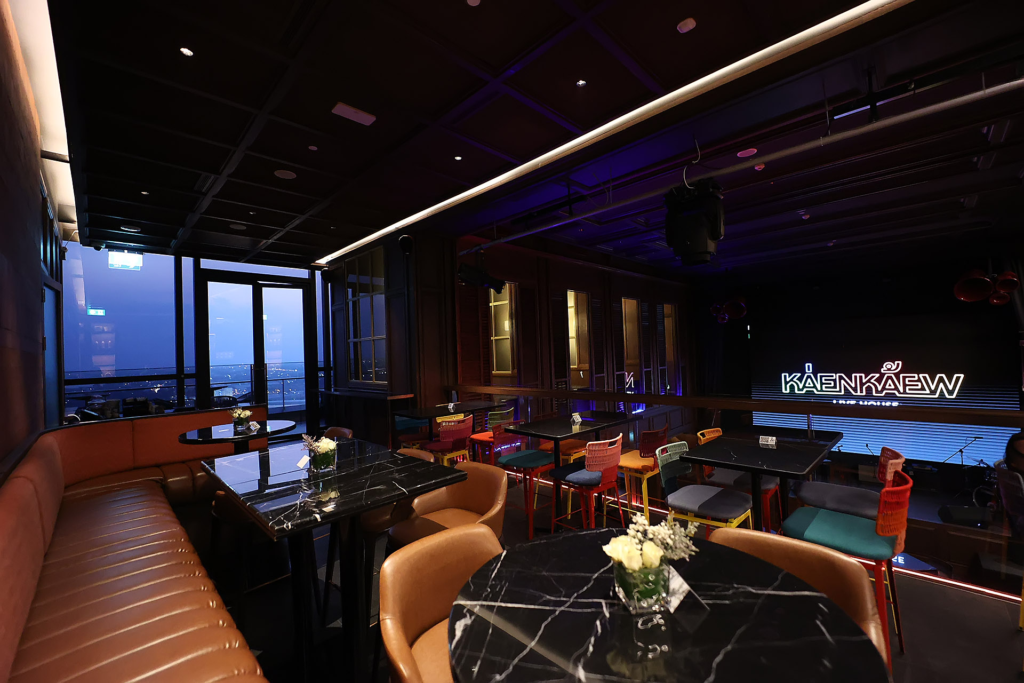
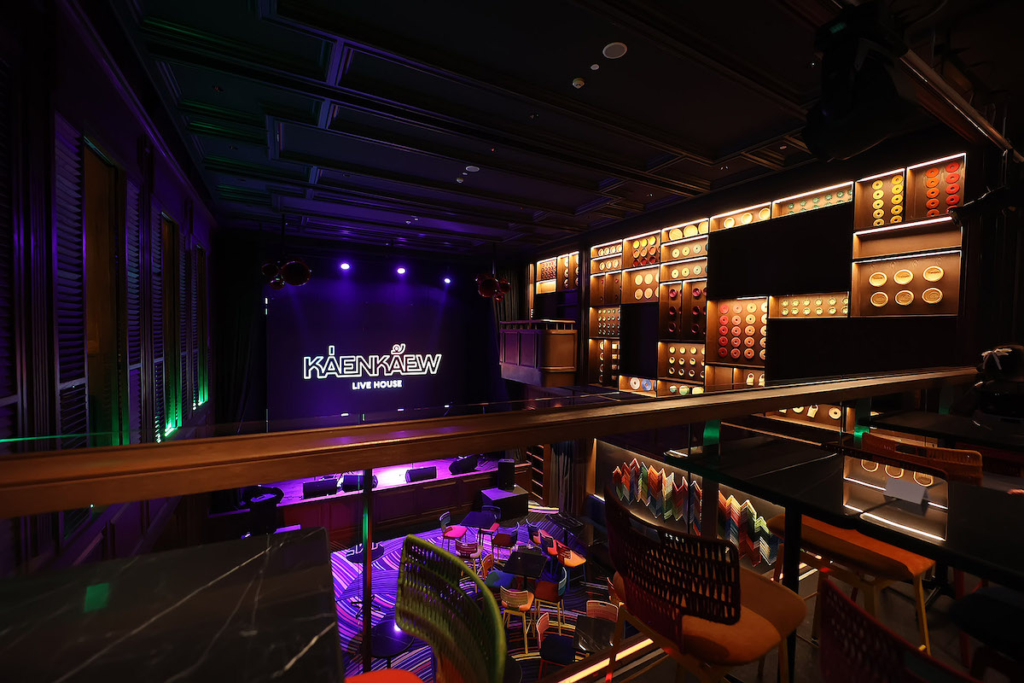
Among the options, one venue stands out. KaenKaew Live House, set within Ad Lib Khon Kaen, defines the rooftop bar experience in the city. It combines live music, design, and height in a single address.

Ad Lib Khon Kaen & KaenKaew Live House

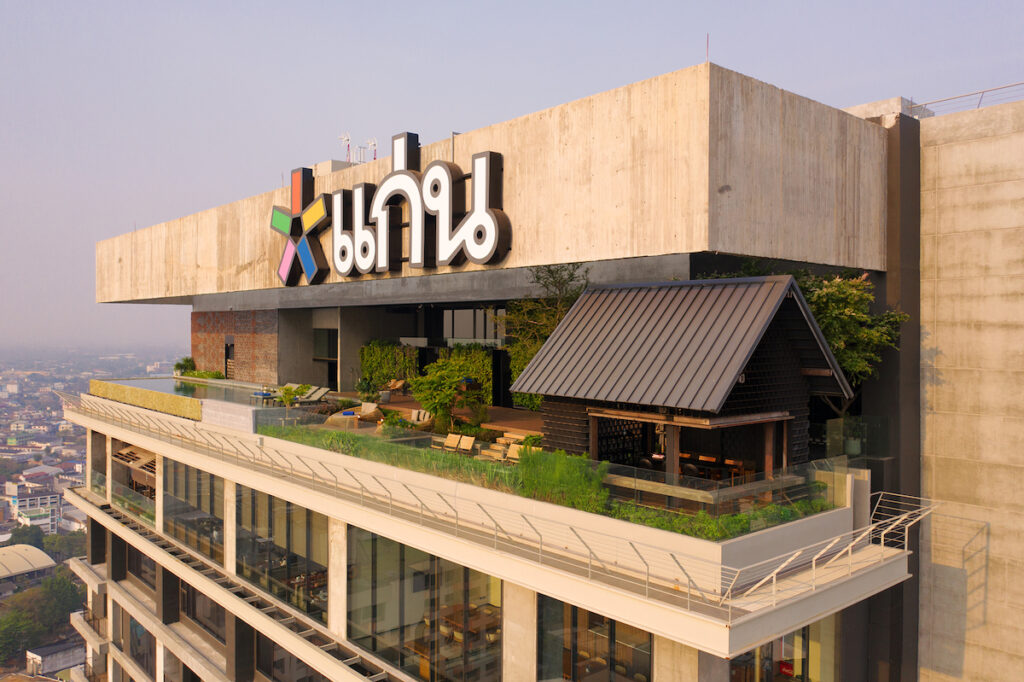
Ad Lib Khon Kaen sits within the Khon Kaen Innovation Centre. The hotel reflects an eco-minded approach, with design rooted in local Isan culture. Spaces feel open, with views that stretch across the city.

The location works well for visitors. Malls, markets, and nightlife areas sit nearby. Guests can move from dinner to drinks, then continue late into the night without long travel.

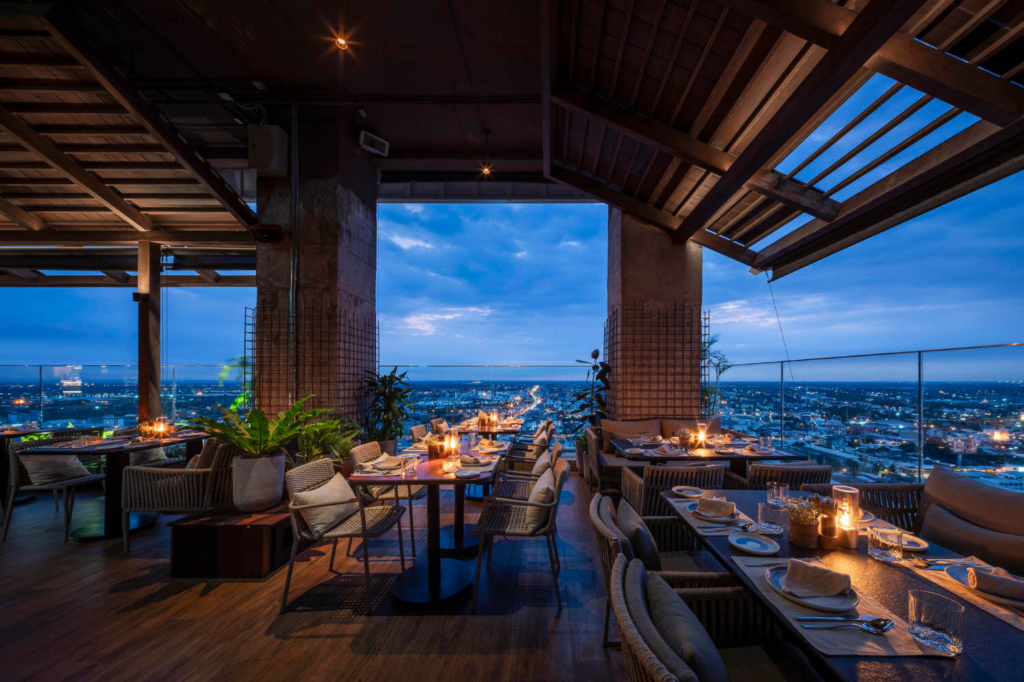
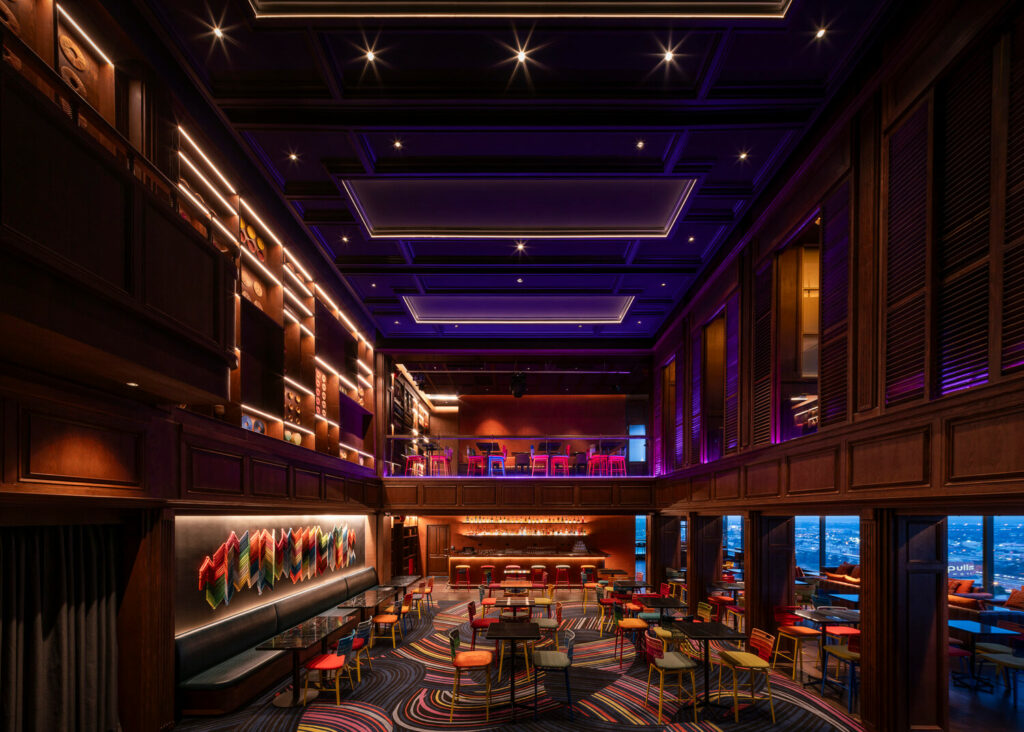
KaenKaew Live House anchors the rooftop experience. Located on the 28th floor, it forms part of a cluster of dining concepts, including Seasons 27 and Food by Fire. The venue blends live performance with rooftop energy.

Atmosphere & Views at KaenKaew

The setting focuses on perspective. Guests see the city skyline and the wider Isan horizon. Indoor and outdoor zones connect through open layouts. Smaller corners create a speakeasy feel, while the main stage keeps the focus on performance.

The crowd reflects the city’s mix. Hotel guests, local creatives, couples, and groups share the space. Dress stays smart-casual. The tone remains relaxed, but refined.

Timing shapes the experience. Early evening brings sunset light and quieter drinks. Night hours shift toward live bands. Late sessions often move into DJ-led sets, depending on the program.

Live Music & Events

KaenKaew operates as a live house. Music leads the experience. The venue hosts Thai artists and visiting performers, with freedom across styles.

Music varies by night. Expect Thai pop, acoustic sets, jazz, or soul. Special showcases appear on selected dates. Guests should check current schedules through official channels before visiting.

Events extend beyond regular sets. The venue supports DJ nights and private bookings. Birthday parties and corporate functions use tailored packages, including formats such as “City Lights & Party Nights.”

Drinks, Cocktails & Bar Bites

The bar focuses on pairing. Cocktails, wines, and spirits align with a menu of fusion tapas and Isan-inspired snacks.

Signature drinks often draw from local flavors. Food options range from grilled plates at Food by Fire to refined snacks from Seasons 27. Sharing works well, especially for groups.

The team supports different needs. Guests can request mocktails, vegetarian dishes, or shared platters. The approach stays flexible and guest-focused.

Other Notable Bars in Khon Kaen

Harmonic Coffee & Rooftop Bar

This venue shifts from café to bar through the day. The design follows a modern loft style, with a rooftop terrace above.

Live music appears on selected nights, alongside curated playlists. The rooftop offers city views without formality. It suits casual evenings or a relaxed start before moving elsewhere.

The Library (Pracha Samran Road)

The Library draws a younger local crowd. The design uses a library theme, with layered lighting and compact spaces.

Live bands and DJs perform often. The venue sits within a busy nightlife strip, making it ideal for bar-hopping. It works best for those who want movement and people-watching.

U-Bar & Similar Clubs

U-Bar and similar venues focus on scale. These are large clubs with dance floors and late hours.

Music leans toward high-energy DJ sets, with occasional live acts. Most spaces stay indoors. These venues suit groups seeking a full party environment.

Staying at Ad Lib Khon Kaen for a Seamless Rooftop-Bar Stay

Staying at Ad Lib Khon Kaen simplifies the experience. Guests can move from room to rooftop in minutes.

City-view rooms and higher-floor categories extend the skyline experience. Guests wake to morning light or rest with night views after a late set.

The hotel offers a full lifestyle setup. An infinity pool, Skybridge, gym, and multiple dining venues allow guests to stay within one property while still engaging with the city.

The hotel suits couples, business travelers, digital nomads, and small groups. It supports work, rest, and social time in one place.

Conclusion

KaenKaew Live House at Ad Lib Khon Kaen stands as the leading rooftop bar with live music in the city. It combines height, sound, and design in a single setting. The experience remains consistent, accessible, and well-integrated with the hotel.

For travelers, the approach is clear. Book a stay at Ad Lib Khon Kaen for direct access to the rooftop. Reserve a table at KaenKaew based on your preferred night. Then use this guide to explore other bars across Khon Kaen, starting from the rooftop and moving outward.

This structure reflects a simple principle: start with a strong base, then explore with clarity—an approach aligned with creating useful, people-first travel content.

[TOP] 10+ Things to Do in Bangkok in 2026

Bangkok moves with energy. Temples rise beside expressways. Street food lines sit under glass towers. Sky bars, night markets, creative districts, and large parks all exist within short reach. The city rewards those who plan with intent.

Most guides repeat the same checklist. This one keeps the icons but adds 2026-ready ideas, new districts, and practical insight. You will see what matters, when to go, and how to move with ease.

Ad Lib Bangkok stands in Sukhumvit as a calm base. It sits near BTS lines, major malls, green parks, and nightlife. Guests move fast across the city, then return to quiet space.

This guide suits first-time visitors, repeat travelers, digital nomads, couples, and business guests who want a clear, efficient way to explore.

Classic Bangkok Icons You Absolutely Should Not Miss

Visit the Grand Palace & Wat Phra Kaew

The Grand Palace defines Bangkok. Its scale, detail, and history remain unmatched. Within the complex sits Wat Phra Kaew, home of the Emerald Buddha—Thailand’s most revered image.

Arrive early. Gates open around 8:30 AM. Tickets range near 500 THB. Dress rules are strict: covered shoulders, long pants or skirts. Security checks are standard.

Pair this visit with nearby temples. Walk to Wat Pho, then cross the river to Wat Arun. One route, three landmarks, minimal transit.

Marvel at Wat Pho & the Reclining Buddha

Wat Pho holds one of Bangkok’s largest temple grounds. The Reclining Buddha stretches 46 meters, covered in gold leaf. The site also anchors Thailand’s traditional massage heritage.

Visit late morning after the Grand Palace or return in the late afternoon. Move beyond the main hall. The quieter courtyards reveal balance and detail.

Book a Thai massage on-site. It offers a direct link to local tradition after hours of walking.

Cross the River to Wat Arun (Temple of Dawn)

Wat Arun stands on the west bank of the Chao Phraya River. Its central prang rises with sharp symmetry. The structure reflects light at sunset and glows during blue hour.

Take a short ferry from Tha Tien or Tha Chang. Expect steep steps. Wear stable shoes.

Plan your visit near sunset. Then move to a riverside bar for a clear view back toward the temple.

Riverside & Canal Experiences: See Bangkok from the Water

Take a Chao Phraya River Cruise (Day or Sunset)

The river shows Bangkok from a new angle. Local boats suit budget travelers. Long-tail tours explore canals. Dinner cruises target couples and groups.

A strong route runs from Old Town temples to IconSiam and downriver neighborhoods. Buy tickets at official piers. Avoid street touts.

Expect prices from 30 THB for local boats to 1,500+ THB for dinner cruises. Check safety standards before boarding.

Explore Bangkok’s Khlongs (Canals) in Thonburi

Thonburi reveals an older Bangkok. Wooden houses, small temples, and narrow canals define the area.

Choose tours that respect residents. Avoid loud groups and wildlife disruption. Morning or late afternoon works best. Most tours last 1.5 to 2 hours.

Food Lover’s Bangkok: From Street Stalls to Sky-High Dining

Eat Your Way Through Street Food and Night Markets

Bangkok’s food scene starts on the street. Chinatown (Yaowarat) leads at night. Ratchada-style markets and Old Town stalls follow.

Look for pad thai, boat noodles, khao man gai, and mango sticky rice. Choose busy vendors with high turnover. Watch how food is handled.

First-time visitors should consider guided tours. Structure helps. Local guides explain dishes and routes.

Sophisticated Dining and Hidden Restaurants for Grown-Ups

Bangkok now leads in modern Thai dining. Chef-led kitchens, tasting menus, and small dining rooms define the scene.

Sukhumvit offers access and variety. Chinatown’s side streets hide new concepts. Charoen Krung leads the creative dining movement.

Book ahead. Dress smart casual. Expect mid-range meals from 400–800 THB and fine dining from 2,000 THB upward.

Dine and Unwind at Ad Lib Bangkok

Ad Lib Bangkok offers a quieter dining setting. The Living Room blends Thai cuisine with global comfort dishes. Guests find space to work, meet, or reset.

Signature options include refined Thai plates and Western classics such as Beef Wellington. The beverage list covers craft beer, wine, cocktails, and soju.

This setting works for jet lag recovery, informal meetings, or pre-evening dinners. Explore menus and seasonal offers here.

Rooftops, Cocktails & Nightlife with a View

Bangkok’s Best Rooftop Bars 

Rooftop bars define Bangkok nights. Riverside venues offer open views. Sukhumvit rooftops feel social. Business districts lean toward formal settings.

Arrive before sunset for the best seats. Expect dress codes and minimum spend. Avoid venues with aggressive upselling.

Sky-High Drinks Near Ad Lib Bangkok

Sukhumvit Soi 11 stays active late. From Ad Lib Bangkok, a short ride connects you to multiple rooftops.

Start with a calm drink at the hotel bar. Move to a rooftop nearby. End with late-night street food. This route balances pace and comfort.

Grown-Up Nightlife: Jazz Bars, Speakeasies & Live Music

Bangkok offers refined nightlife beyond party streets. Jazz bars, hidden cocktail rooms, and riverside wine bars define this layer.

Couples and small groups benefit from this approach. You control pace, sound, and setting.

Green Escapes & Wellness in the City

Morning in Lumpini Park and Benjakitti Forest Park

Lumpini Park and Benjakitti form central green space. Visitors jog, walk, or rent paddle boats. Shade trees and open paths reduce heat.

From Ad Lib Bangkok, access is simple by foot or short ride. These parks suit early mornings before meetings or tours.

Wellness, Medical Check-Ups and Spa Experiences

Bangkok leads in medical tourism and wellness. Visitors combine travel with check-ups and treatment.

Ad Lib Bangkok sits near Bumrungrad International Hospital and Vitalife Wellness Center. This location reduces travel time for appointments.

Choose reputable spas. Look for trained staff and clear pricing. Tipping ranges from 10–15%.

Poolside Pause at Ad Lib Bangkok

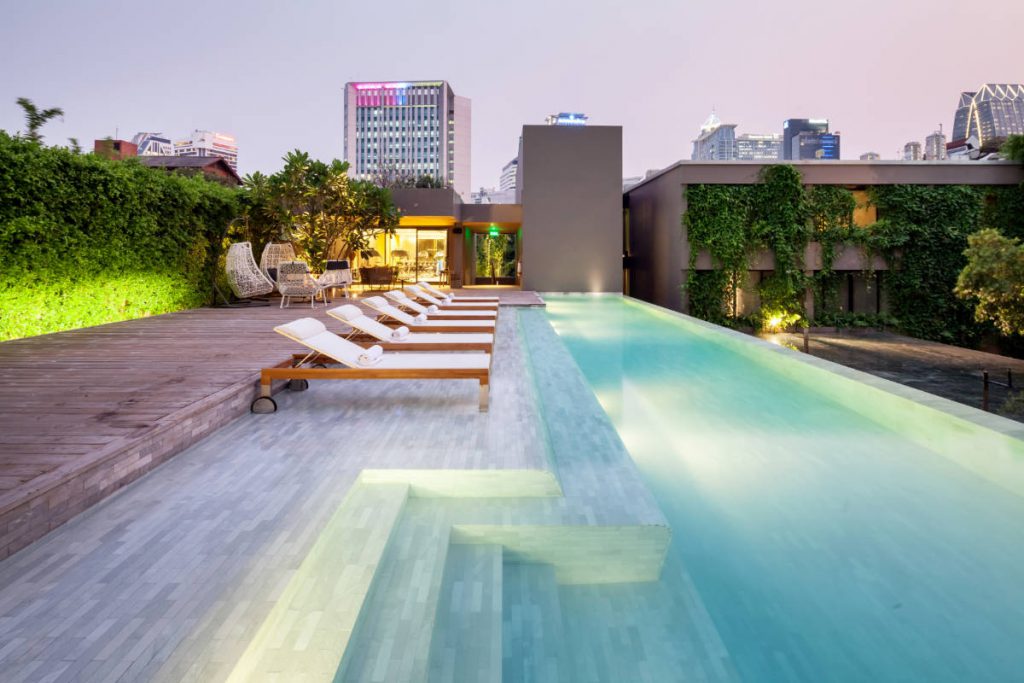
The rooftop pool offers a reset point. After long days, guests return to shade, water, and skyline views.

Sunset reflections create strong photo moments. A short break here improves energy for evening plans.

Shopping, Design & Creative Neighborhoods

From Mega-Malls to Independent Boutiques

Bangkok’s malls cover all segments. Central Embassy leads in luxury. Siam Paragon mixes retail and entertainment. CentralWorld offers scale. IconSiam anchors the river. Terminal 21 adds themed design.

Plan by BTS lines. Visit early to avoid peak hours. Add independent Thai designers to keep the experience local.

Shopping & “Around Town” Near Ad Lib Bangkok

From Ad Lib Bangkok, guests reach Central Embassy, Central Chidlom, and CentralWorld with ease. BTS access shortens travel.

A half-day Sukhumvit loop works well. Shop in stages, then return for a relaxed drink or dinner at the hotel.

Explore Creative Districts and Street Art

Charoen Krung leads Bangkok’s creative shift. Talad Noi mixes heritage and street art. Ari offers cafés and small galleries.

Move slowly here. Walk, pause, and explore side streets. Pair visits with nearby cultural stops.

Alternative & Off-Beat Bangkok Experiences

Join a Cooking Class or Market-to-Table Experience

Cooking classes connect food with culture. Many start at fresh markets, then move to hands-on kitchens.

These suit couples, families, and corporate groups. You leave with both skills and context.

Discover Bangkok’s “Green Lung” and Urban Nature

Bang Krachao offers a nature escape. Elevated paths, trees, and small cafés define the area.

Reach it by short boat ride. Rent a bike on arrival. Plan a half-day visit.

Dive into Contemporary Art, Design & Culture

Bangkok’s art scene grows each year. Visit Bangkok Art & Culture Centre or MOCA. Smaller galleries rotate exhibitions.

Check event calendars. Design weeks and festivals often run through 2026.

Practical Tips: Getting Around, Safety & Etiquette in 2026

Getting Around Bangkok Smoothly

Combine BTS, MRT, river boats, taxis, and ride-hailing apps. This mix reduces cost and travel time.

From Ad Lib Bangkok, Nana and Ploenchit BTS stations connect to major zones. Old Town takes 30–45 minutes. Riverside areas take similar time.

Costs, Scams to Avoid and How to Dress

Temple entries range from 100–500 THB. Rooftop drinks start near 300 THB. Massages begin at 250 THB. Taxi base fares start low but rise with distance.

Watch for common scams. Tuk-tuk detours and “temple closed” claims still occur. Decline and move on.

Dress modestly at temples. Higher-end venues expect smart casual.

Cultural Etiquette & Responsible Travel

Use the wai greeting when appropriate. Remove shoes at temples. Use both hands when giving or receiving items.

Support small businesses. Carry refillable water. Choose ethical tours in canals and nature zones.

People-first travel creates better outcomes for both visitors and locals.

Where to Stay in Bangkok: Why Ad Lib Works for Travelers?

Ad Lib Bangkok combines design, greenery, and function. Rooms focus on comfort and quiet. Shared spaces support work and social use.

The location reduces friction. Guests reach Sukhumvit, parks, hospitals, malls, and nightlife within minutes. This saves time and energy across each day.

Explore rooms, dining, and lifestyle here: Ad Lib Bangkok Hotel, Official Hotel Website

FAQs

Is Bangkok safe to visit in 2026?

Yes. Most areas remain safe. Stay aware in crowded zones and use licensed transport.

How many days in Bangkok is enough?

Three to five days cover key sites, food, and neighborhoods.

What should I avoid doing in Bangkok?

Avoid scams, disrespect at temples, and unlicensed transport.

Are things in Bangkok still affordable in 2026?

Yes. Costs remain competitive compared to major global cities.

What is the best area to stay in Bangkok for first-timers?

Sukhumvit offers strong access, dining, and transit. It balances convenience and variety.

[TOP] 10+ Things to Do in Khon Kaen in 2026

Songkran & Dok Khun Siang Khaen Flower Festival

Songkran in Khon Kaen ranks among the most vibrant Thai New Year celebrations in the Northeast. The main action takes place along Sri Chan Road and Khao Niew Road, often called Sticky Rice Road during the festival. Thousands gather to celebrate with water play, music, and street festivities, creating a lively yet friendly atmosphere.

At the heart of the celebration sits the Dok Khun Siang Khaen Flower Festival. The golden blossoms of the dok khun tree symbolize prosperity and renewal. During the festival, the city hosts floral parades, traditional Isan music performances, cultural shows, and religious ceremonies. Visitors may see merit-making rituals at temples, the famous human wave parade, and joyful water activities that define Songkran in the region.

For 2026, celebrations are expected around 13–15 April. Arrive early to secure a good spot along the parade route. Wear light clothing that dries quickly and protect phones and cameras with waterproof covers. Respect local customs by avoiding excessive splashing near temples or elderly participants.

Wat Nong Waeng & Phra Mahathat Kaen Nakhon

Wat Nong Waeng is one of Khon Kaen’s most significant landmarks. The temple sits beside Bueng Kaen Nakhon Lake and features the striking Phra Mahathat Kaen Nakhon, a nine-storey chedi that dominates the skyline.

Each level of the chedi showcases Buddhist artwork, murals, and relics that reflect Isan heritage. Visitors can climb to the upper levels for panoramic views of the lake and surrounding city. The setting becomes especially photogenic during sunrise or sunset when golden light reflects across the water.

Allow about one hour for the visit. Dress modestly with shoulders and knees covered, and remove shoes before entering sacred spaces.

Bueng Kaen Nakhon Park & Lakeside Walks

Bueng Kaen Nakhon forms the social heart of the city. The large lake and surrounding park attract joggers, cyclists, and families throughout the day.

A paved path circles the water, passing temples, gardens, and shaded seating areas. Small lakeside stalls sell snacks and drinks, making the area ideal for a relaxed stroll or casual picnic.

Many visitors pair a late-afternoon walk with dinner at nearby night markets. Others head to a rooftop bar afterward to watch the sunset over the city skyline.

Khon Kaen National Museum & Treasury Museum

For travelers interested in regional history, the Khon Kaen National Museum offers a clear introduction to Isan culture. The exhibits cover ancient settlements, Khmer-era artifacts, local traditions, and fossil discoveries from nearby dinosaur sites.

The nearby Treasury Museum presents a modern exhibition space designed with universal accessibility in mind. Its Khon Kaen Story Exhibition explains the city’s development and its ambitions as a future smart city. Interactive displays make the museum appealing for both adults and younger visitors.

Ton Tann Night Market

Ton Tann Night Market ranks among Khon Kaen’s most popular evening destinations. The market blends street food, handicrafts, and live music into a relaxed social space.

Rows of food stalls serve grilled meats, spicy papaya salad, seafood dishes, and local desserts. Small shops sell handmade crafts, clothing, and souvenirs created by local designers.

The best time to visit is after 7 pm when the atmosphere becomes lively but not overcrowded. Visitors often combine the market with nearby cafés or shopping malls earlier in the evening.

Khon Kaen Walking Street (Saturday Night Market)

Every Saturday evening, Na Muang Road transforms into Khon Kaen Walking Street. Vendors set up food stalls, craft stands, and performance stages that stretch along the road.

Street musicians and dance groups create a festive mood while visitors browse handmade goods or sample local snacks. The market usually opens around 5 pm and runs until late evening.

Most central hotels can arrange transport to the market, though many visitors choose a short taxi or Grab ride from downtown.

Rooftop Bars and Live Music

Khon Kaen’s nightlife favors relaxed conversation and city views rather than high-energy clubbing. Rooftop venues and live music spaces have become popular gathering points for locals and visitors alike.

One highlight is KaenKaew Live House & Rooftop at Ad Lib Khon Kaen. The venue offers open-air views across the city, sunset cocktails, and live band performances. The atmosphere suits casual groups, couples, and business travelers unwinding after meetings.

Golden hour provides the best skyline views, while weekends bring a lively but comfortable crowd.

Festivals and Events Throughout the Year

Khon Kaen hosts several cultural events that reflect the spirit of Isan. The Sithan Festival organized by Khon Kaen University celebrates local folklore, crafts, and traditional performances. Visitors can explore cultural exhibitions, food markets, and artistic displays.

Large music gatherings such as CHIENG NUEA FEST attract artists and fans from across the region. These events showcase contemporary Thai music alongside emerging creative communities.

Travelers who prefer mild weather should visit during the cool season from November to February. The hot and rainy months still offer festivals but require flexible planning.

Phu Wiang National Park and Dinosaur Sites

About 80 kilometers northwest of the city lies Phu Wiang National Park. The park gained international attention after paleontologists discovered several dinosaur species here.

Marked trails lead visitors through excavation sites where fossils were uncovered. Scenic viewpoints such as Chom Tawan Cliff offer sweeping views across forested hills.

The park usually opens from morning to late afternoon. Tickets are available at the entrance gate. Travelers can drive themselves or join a guided tour from Khon Kaen city.

Phu Wiang Dinosaur Museum

Near the national park sits the Phu Wiang Dinosaur Museum. The museum documents Thailand’s most important dinosaur discoveries and presents life-size reconstructions of ancient species.

Interactive displays explain how fossils were found and studied. Families, students, and science enthusiasts will find the exhibits engaging and informative.

Many visitors combine the museum with hiking trails and nearby waterfalls for a full day trip.

Waterfalls, Viewpoints, and Blue Lagoon

Nature lovers can explore several scenic locations outside the city. Tat Fa Waterfall offers a peaceful forest setting with seasonal cascades, while Hin Chang Si View Point delivers wide mountain views.

Further west, the Blue Lagoon in the Phu Pha Man area attracts photographers with its turquoise water and limestone cliffs. The region remains less crowded than Thailand’s major tourist zones.

Road conditions vary, so travelers should check routes before departure. The cool season often provides the safest conditions for exploring.

Ubolratana Dam: Scenic Lake, Golf, and Music Festivals

Ubolratana Dam sits roughly 50 kilometers from Khon Kaen city. The reservoir creates a scenic lakeside landscape ideal for sunset photography and relaxed walks.

Visitors may enjoy boat rides, casual restaurants overlooking the water, and a nearby dinosaur sculpture garden. Golf enthusiasts can play a round at Ubolratana Dam Golf Course, where fairways overlook the lake.

The dam area also hosts occasional music festivals and cultural gatherings.

King Cobra Village (Ban Khok Sanga)

Ban Khok Sanga, often called King Cobra Village, is known for its snake handling traditions. Local performers demonstrate their skills with cobras in controlled shows that highlight regional folklore.

Travelers should approach the experience with awareness and respect. Choose operators who prioritize safety and ethical treatment of animals. Follow all instructions during demonstrations.

Creative Villages and Artisan Spaces

Creative communities have begun to shape Khon Kaen’s cultural identity. Columbo Craft Village stands out as a hub for local art, design, and handmade goods.

Visitors can browse workshops, sample locally roasted coffee, and watch artisans at work. Many shops sell ceramics, textiles, and handcrafted accessories.

Weekends usually attract the most visitors, creating a lively yet community-focused atmosphere.

Golf, Go-Karting, and Active Fun

Khon Kaen also offers several activities for travelers seeking active experiences. Singha Park Khon Kaen Golf Club provides a challenging course surrounded by green landscapes and open views.

Families and groups may enjoy KP KhonKaen Kart, a go-kart track that emphasizes safety and beginner instruction. The facility welcomes both first-time drivers and experienced racers.

Some adventurous travelers also explore rock climbing and bouldering areas near the limestone cliffs around Khon Kaen Zoo.

Chonnabot Silk Village and Mudmee Weaving

Chonnabot District has long been known as Khon Kaen’s silk center. The village specializes in Mudmee silk, a tie-dye weaving technique that creates complex patterns.

Visitors can observe artisans working on traditional wooden looms and learn about the dyeing and weaving process. Buying silk directly from local producers ensures authenticity and supports the community.

Khao Suan Kwang Zoo

Khao Suan Kwang Zoo spreads across roughly 4,000 rai of landscaped grounds. The zoo houses a wide range of animals and includes additional attractions such as an aquarium and family entertainment areas.

The large grounds require comfortable walking shoes and allow visitors to spend several hours exploring. Nearby restaurants make it easy to combine the visit with a meal stop.

Must-Try Isan Dishes and Local Flavours

Khon Kaen offers some of the most authentic Isan cuisine in Thailand. Visitors should try several regional specialties.

Som tam appears in many variations, often paired with grilled meats and sticky rice. Local restaurants also serve grilled chicken, spicy larb salads, and fermented fish dishes that define Isan cooking.

Spice levels can be intense. Travelers unfamiliar with Isan heat may request milder versions when ordering.

Night Markets, Street Food, and Casual Eats

Night markets play a central role in Khon Kaen’s food culture. Ton Tann Market, Walking Street, and stalls around Bueng Kaen Nakhon offer countless dining options.

Grilled fish, skewered meats, coconut desserts, and regional snacks fill the evening air with aroma. Many visitors enjoy dinner at the market before taking a lakeside walk or attending a local event.

Stylish Cafés, Bars, and Hotel Dining

Khon Kaen’s café culture continues to grow. Spots such as Aim Oat and Greenleaf attract locals with specialty coffee and creative brunch menus.

Travelers seeking a comfortable base can also explore the dining concepts at Ad Lib Khon Kaen. The hotel offers modern Thai cuisine, rooftop drinks, and relaxed spaces for breakfast meetings or evening gatherings.

Practical Travel Tips for Khon Kaen

Getting To and Around Khon Kaen

Khon Kaen is easy to reach by domestic flight, train, or intercity bus from Bangkok. Khon Kaen Airport sits about 15 minutes from downtown.

Within the city, visitors often use Grab, taxis, or rental cars. Scooters provide flexibility for short trips but require careful driving due to local traffic patterns.

Most major attractions lie within a 15–30 minute drive from the center.

Best Time to Visit and Weather

The cool season from November to February offers the most comfortable temperatures for exploring markets, temples, and outdoor attractions.

March through May brings hotter weather but also major festivals such as Songkran. The rainy season from June to October turns waterfalls lush but may affect travel to remote areas.

Respectful Travel and Local Etiquette

Khon Kaen maintains strong cultural traditions. Visitors should dress modestly when visiting temples, remove shoes before entering sacred buildings, and speak respectfully with monks and elders.

Basic Thai phrases often create warm interactions with locals. Responsible travel practices—such as reducing waste and respecting wildlife—help protect the region’s natural and cultural heritage.

Where to Stay in Khon Kaen?

Staying in central Khon Kaen offers the greatest convenience. Many attractions, restaurants, night markets, and shopping areas sit within a short distance. The location also provides easy access to convention centers, universities, and highways leading to nearby national parks.

Ad Lib Khon Kaen provides a refined urban retreat within this vibrant city. The design-driven hotel offers comfortable rooms, modern amenities, and welcoming communal spaces suited to both leisure and business travelers.

Guests can unwind at the rooftop venue, enjoy thoughtfully prepared dining, or start the day with coffee before exploring the city. The hotel’s location allows quick access to Bueng Kaen Nakhon, night markets, and major cultural sites.

For more information, explore the hotel’s Rooms, Dining, Lifestyle & Happenings, and Special Offers pages to plan a stay that pairs seamlessly with your Khon Kaen itinerary.

Best Hotels near Bumrungrad International Hospital Bangkok

Bumrungrad International Hospital stands as one of Asia’s leading private hospitals. It anchors Bangkok’s global medical tourism scene. Patients travel here for advanced care, efficient service, and international standards.

For many travelers, proximity matters. Staying near the hospital reduces stress, cuts travel time, and simplifies daily routines during treatment or check-ups. This guide presents a curated, experience-led selection of the best hotels near Bumrungrad Hospital Bangkok. The focus stays clear: calm spaces, easy access, and support for recovery—with a strong emphasis on Ad Lib Bangkok.

About Bumrungrad International Hospital

Bumrungrad International Hospital is JCI-accredited and widely recognized. It offers multi-specialty care and serves over a million patients each year from across the world. This scale reflects both trust and consistency.

The hospital sits in Sukhumvit Soi 1–3. This location places it within central Bangkok, close to business districts, embassies, and major shopping hubs. Guests can reach BTS Nana and Ploenchit stations within minutes. This connection allows companions to move around the city with ease while staying near the hospital.

Choosing a hotel close to Bumrungrad brings clear advantages. It shortens commutes before and after procedures. It simplifies follow-up visits. Most importantly, it preserves energy for recovery.

Bumrungrad International Hospital

Ad Lib Bangkok – A Boutique Urban Oasis Next to Bumrungrad

Why Ad Lib Bangkok Is Ideal for Bumrungrad Patients?

Ad Lib Bangkok offers a rare setting in Sukhumvit. It sits behind a banyan tree, away from main road traffic. The atmosphere feels quiet and private, yet remains central.

Bumrungrad International Hospital and the VitalLife Wellness Center are within walking distance. This proximity positions Ad Lib as one of the most convenient hotels near Bumrungrad Hospital Bangkok. Patients and companions move between hotel and hospital with minimal effort.

Rooms Designed for Rest and Recovery

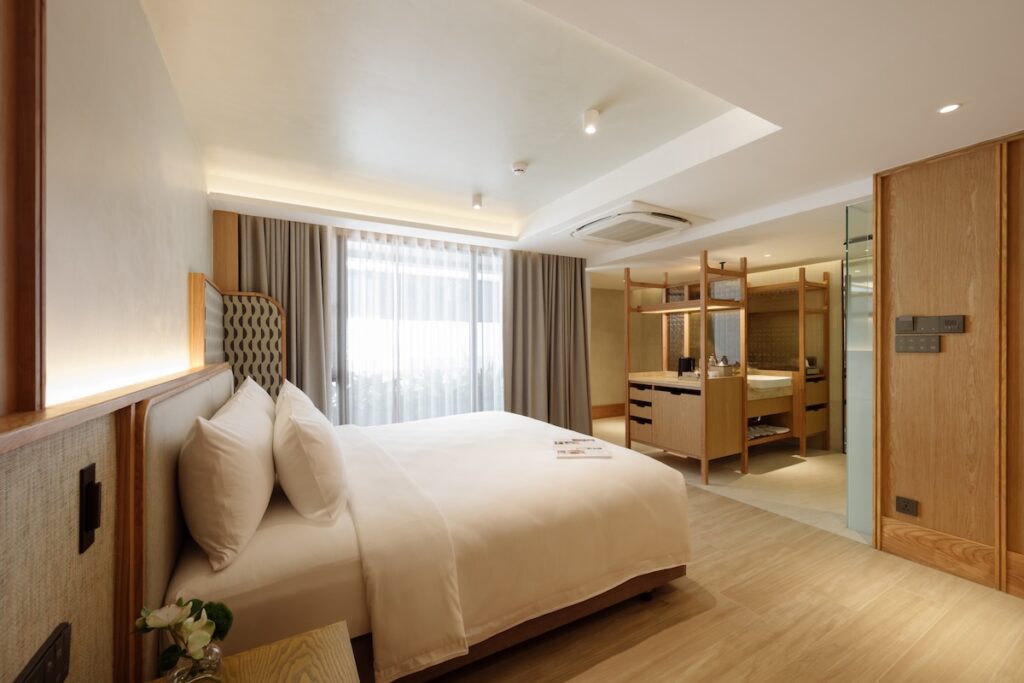
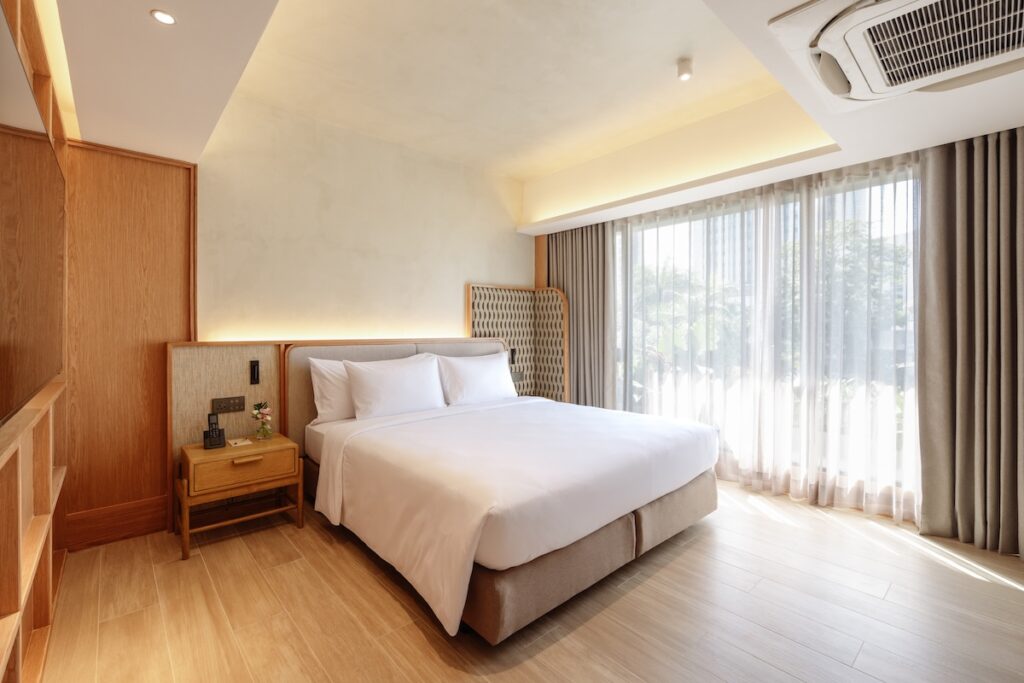
Rooms at Ad Lib Bangkok focus on rest. The design uses warm neutral tones and soft lighting. Beds support deep sleep, which matters after medical visits.

Layouts remain practical. Bathrooms are modern and easy to use. Each detail supports comfort without excess. Guests can explore room types directly through the hotel’s official pages .

Dining, Social Spaces, and Calm Corners

On-site dining at Ad Lib Bangkok reduces the need to travel. Guests can eat in a relaxed setting, which suits both patients and companions.

The hotel also offers quiet corners. The pool, lounge, and bar create space to pause. These areas feel removed from the city, yet remain within it.

Ease of Access and Practical Conveniences

Guests can walk to Bumrungrad or use the hotel’s tuk-tuk shuttle. Both options are simple and reliable.

Nana and Ploenchit BTS stations sit nearby. Family members can visit Central Embassy or Terminal 21 without long travel. This balance allows both care and city access.

Other Hotels near Bumrungrad International Hospital

Mövenpick BDMS Wellness Resort Bangkok

Resort-Style Wellness for Longer Stays

Mövenpick BDMS Wellness Resort Bangkok sits on Wireless Road. The setting feels calm, with garden views and open space. It connects directly to BDMS Wellness Clinic, which suits guests focused on preventive care or recovery.

Distance and Access to Bumrungrad
The hotel lies about 1.5 km from Bumrungrad. A taxi ride takes around four minutes. BTS Ploenchit station and shuttle services support easy movement across the city.

Rooms, Suites, and Wellness Facilities
Rooms and suites are spacious. Many include balconies with garden or city views. Facilities include a saltwater pool, spa, and fitness center. These features support both recovery and routine.

Dining and Special Diets
Dining focuses on balanced meals. Guests can choose vegetarian, low-carb, or tailored options. The hotel’s Chocolate Hour adds a familiar brand touch.

Nysa Hotel Bangkok – Sophisticated Calm on Sukhumvit 11

A Luxurious Base Close to Bumrungrad

Nysa Hotel Bangkok sits on Sukhumvit 11. The area is lively, yet the hotel interior feels contained and calm. This balance works for guests who want access to dining and nightlife after appointments.

Room Comfort and Family-Friendly Features
Rooms are spacious and well-equipped. Bedding supports longer stays. Facilities include an outdoor pool, gym, and childcare services. These features suit families managing medical travel.

How to Choose the Right Hotel near Bumrungrad?

Distance defines daily ease. Walking access works best for frequent visits. Short drives suit less intensive schedules.

Room comfort matters. Quiet spaces, blackout curtains, and supportive beds improve recovery. In-room dining adds flexibility for those who prefer to rest.

Accessibility should remain simple. Elevators, step-free entry, and transport support reduce friction. Hotels that assist with taxis or hospital transfers add value.

Families benefit from larger rooms and on-site dining. Nearby malls or parks offer space to reset between visits. Solo patients often prioritize calm environments, clear communication, and flexible services.

Budgets vary across the area. Boutique hotels like Ad Lib Bangkok offer design-led comfort with direct access. Larger wellness resorts provide expanded facilities at higher rates. The right choice depends on care needs, stay duration, and daily routine.

Best Boutique Design Hotels in Sukhumvit Bangkok

Sukhumvit stands as Bangkok’s most cosmopolitan district. It connects key areas through the BTS Skytrain, links to major malls, and offers a dense mix of cafés, nightlife, and business hubs. For travelers, it provides both access and variety. This makes Sukhumvit a natural base for boutique hotel stays.

In Bangkok, “boutique” signals more than size. Most properties range from 20 to 100 rooms. They focus on design, local identity, and tailored service. Unlike large chains, these hotels build a distinct mood through architecture, materials, and curated spaces. Guests choose them for character and experience, not just function.

This guide evaluates hotels through four core criteria: design and atmosphere, location and connectivity, room comfort and sleep quality, and lifestyle facilities. Sukhumvit leads this category. Areas around Ploenchit, Chidlom, Siam, Nana, Asoke, Phrom Phong, and Thonglor host many of Bangkok’s most design-driven stays.

Ad Lib Bangkok – A Green Urban Retreat off Sukhumvit

Design & Atmosphere – “Urban Oasis Behind the Banyan Tree”

Ad Lib Bangkok sits in a quiet cul-de-sac off Sukhumvit. The approach feels deliberate. A large banyan tree marks the entrance and sets the tone. Inside, the hotel opens into a layered garden environment. Vertical plant walls, natural textures, and soft lighting shape the space. Wood and marble contrast with neutral fabrics. The result is calm, controlled, and grounded in nature.

Rooms & Sleep Experience

Rooms follow a clear design logic. Clean lines, muted tones, and textured finishes support rest. Beds use high-thread-count linens and a selection of hypoallergenic pillows. Sound control and lighting enhance sleep quality.

Room categories range from compact studios to larger layouts and suites. Solo travelers benefit from efficient space planning. Couples gain privacy and comfort. Business guests find practical layouts with work-friendly surfaces.

Pool, Dining & Lifestyle Spaces

The pool sits above street level, with open views across the city skyline. It serves as a reset point after time in Sukhumvit.

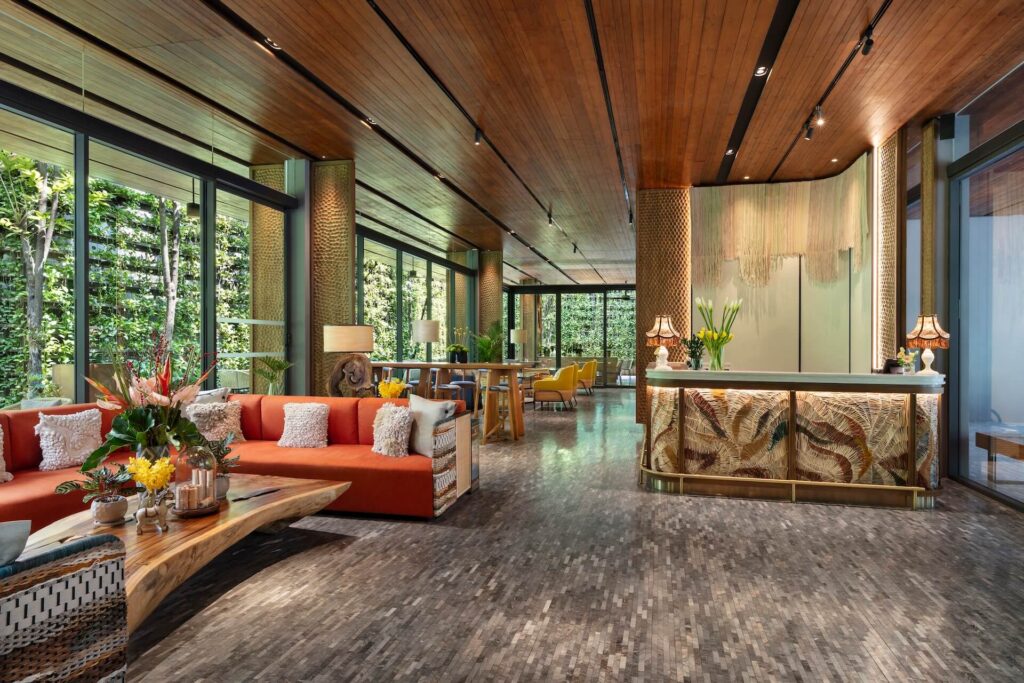
The Living Room acts as the core social space. It blends indoor and outdoor zones within a glass structure framed by greenery. Guests use it for work, meetings, or casual dining. The on-site restaurant supports all-day dining, with a menu built for urban travelers. The bar extends into evening, with a steady, social pace.

Location, Access & Nearby Highlights

The hotel connects easily to Ploenchit BTS Station. Guests can walk or use a short shuttle to Sukhumvit Soi 1. From there, the BTS links to Siam, Chidlom, and Asoke, with access to MRT lines across the city.

The location suits medical travel. Bumrungrad Hospital and VitalLife Wellness Center sit nearby. Shopping options include Central Embassy, Central Chidlom, CentralWorld, and Siam Paragon. Dining and nightlife extend into Langsuan, Sukhumvit Soi 11, and rooftop venues at EmQuartier and EmSphere.

Who Ad Lib Bangkok is Perfect For?

Ad Lib Bangkok fits travelers who value design without excess. Couples, digital nomads, and business travelers benefit from its calm layout. Medical guests find proximity to key facilities.

The hotel also aligns with guests who prioritize responsible travel. Energy-efficient systems, regional sourcing, and low-waste practices shape operations.

Booking direct through Ad Lib Hotels provides access to member rates and extended stay offers.

Other Standout Boutique Design Hotels in Sukhumvit

Hotel Clover Asoke (Sukhumvit 21 / Asoke)

Hotel site: https://asoke.hotelclover.com

Hotel Clover Asoke delivers a compact, modern design with around 95 rooms. Interiors use bold color accents and functional layouts. Rooms focus on comfort and efficient use of space. A rooftop pool and bar create a social layer. Its location near Asoke BTS and Terminal 21 supports both business and leisure travel.

S15 Sukhumvit Hotel (Sukhumvit 15, between Asoke & Nana)

Hotel site: https://www.s15hotel.com

S15 Sukhumvit Hotel offers a smaller-scale boutique experience with under 80 rooms. Design leans toward contemporary minimalism with metallic finishes. Rooms emphasize privacy and quiet. Facilities include a spa, restaurant, and lounge. Its position between Asoke and Nana places guests within walking distance of transport and nightlife.

INNSiDE by Meliá Bangkok Sukhumvit (On Nut / Phra Khanong area)

Hotel site: https://innsidebymelisukhumvit.bangkoktophotels.com/en/

INNSiDE introduces a lifestyle concept with a larger room count but retains boutique elements through design and programming. Rooms feature flexible layouts and integrated workspaces. The rooftop pool and sky bar stand out. Located near On Nut BTS, it suits longer stays and digital nomads seeking value and connectivity.

SHAN Villas Sukhumvit (On Nut 18, villa-style boutique)

Hotel site: https://shanvillasbangkok.com

SHAN Villas shifts toward a villa-style format with a limited number of units. The design uses natural materials and private layouts. Rooms feel residential, with outdoor elements and quiet surroundings. A pool and garden reinforce the retreat concept. It suits guests who want distance from central traffic while staying within Sukhumvit.

SILQ Hotel and Residence Sukhumvit 24 (Phrom Phong / EmQuartier)

Hotel site: https://www.silqhotel.com

SILQ blends hotel and serviced residence formats. Rooms and suites include larger living spaces and kitchenettes. Design focuses on clean geometry and warm tones. Facilities include a pool, fitness center, and dining outlets. Its location near Phrom Phong BTS and EmQuartier supports shopping and family travel.

The Coach Hotel Sukhumvit / Asok BTS Bangkok (Sukhumvit 14, Asoke)

Hotel site: https://www.thecoachbangkok.com

The Coach Hotel uses a transport-inspired concept. Interiors reference vintage rail travel with structured layouts and themed details. Room count remains moderate, preserving a boutique scale. A rooftop pool and lounge add lifestyle value. The Asoke BTS location ensures direct access to key districts.

How to Choose the Right Sukhumvit Boutique Hotel?

Couples and honeymooners should prioritize intimate properties with strong dining concepts and pool access. Garden settings or skyline views enhance the stay.

Digital nomads and business travelers need fast Wi-Fi, quiet work zones, and access to BTS stations. Hotels like Ad Lib Bangkok offer calm lounges and meeting spaces that support productivity.

Families benefit from suites or residences with kitchenettes. Locations near parks such as Benchasiri Park or major malls improve convenience.

Design-focused travelers should look for properties with strong architectural identity and curated interiors. Moving between Sukhumvit neighborhoods reveals different design approaches and urban textures.

FAQs

Is Sukhumvit a good area to stay in Bangkok for first-timers?

Yes. Sukhumvit offers direct BTS access, a wide dining range, and a balance between local and international environments. It simplifies movement across the city.

What is the difference between a boutique hotel and a regular hotel in Bangkok?

Boutique hotels focus on design, scale, and experience. They offer fewer rooms, distinct interiors, and more personal service. Large hotels prioritize volume and standardization.

Are boutique hotels in Sukhumvit family-friendly?

Many are. Properties with suites, pools, and proximity to malls work well for families. Ad Lib Bangkok suits families with older children due to its calm layout and nearby amenities.

Is it easy to reach Bangkok’s main attractions from Sukhumvit?

Yes. BTS and MRT lines connect Sukhumvit to Old Town, riverside areas, and major landmarks with minimal transfers.

Do boutique hotels in Sukhumvit offer airport transfers?

Most can arrange transfers on request. Sukhumvit’s access to expressways also makes taxis and ride-hailing efficient options.

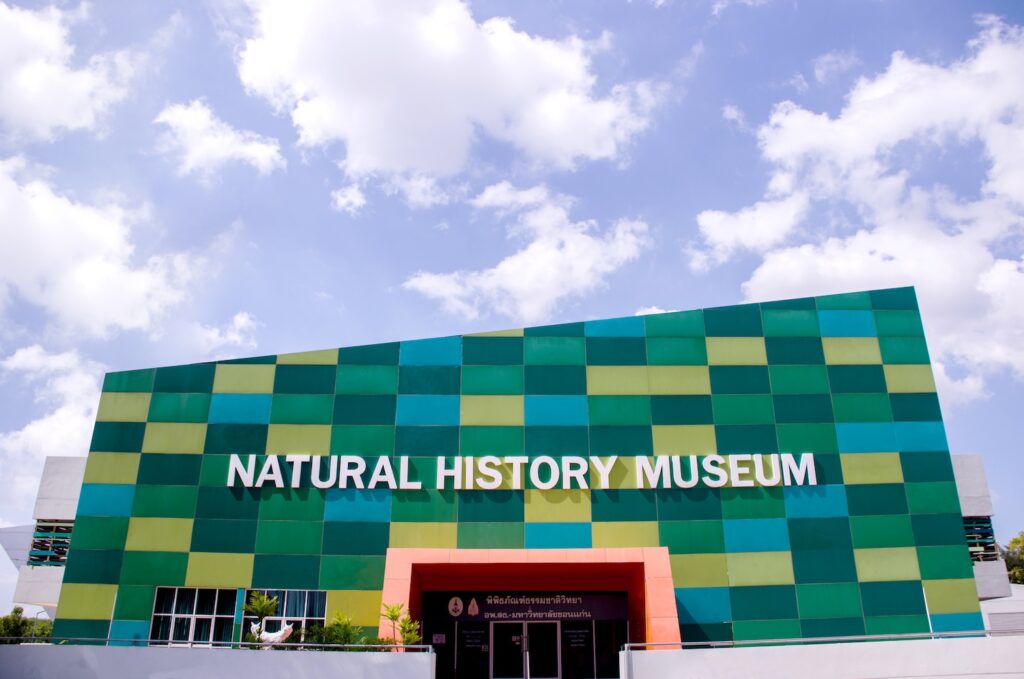
[2026] Natural History Museum Khon Kaen University (พิพิธภัณฑ์ธรรมชาติวิทยา มหาวิทยาลัย ขอนแก่น)

The Natural History Museum Khon Kaen University (พิพิธภัณฑ์ธรรมชาติวิทยา มหาวิทยาลัย ขอนแก่น) is one of Northeast Thailand’s most engaging learning spaces. Located inside Khon Kaen University (KKU) near the scenic Bueng Si Than lake, the museum serves as both a research showcase and a lifelong learning center. Visitors explore the origins of life, regional ecosystems, biodiversity, and scientific discovery through structured exhibitions and interactive displays.

In 2026, the museum stands out as one of Khon Kaen’s most accessible science destinations. Interactive multimedia installations, evolving exhibitions, and educational programs make it ideal for families, students, and curious travelers who want deeper insight into the landscapes and biodiversity of Isan. For travelers planning a cultural or educational visit, Ad Lib Khon Kaen offers a refined boutique base just a short ride from the university campus.

About Natural History Museum Khon Kaen University

  • Official Name: Natural History Museum Khon Kaen University / พิพิธภัณฑ์ธรรมชาติวิทยา มหาวิทยาลัย ขอนแก่น
  • Institution Role: Khon Kaen University Museum and Lifelong Learning Center
  • Location: Khon Kaen University campus, near Bueng Si Than Lake
  • Year Opened: 2016
  • Typical Visit Duration: 1.5–2 hours
  • Best For: Families, students, science enthusiasts, educational groups
  • Distance from Ad Lib Khon Kaen: ~10–15 minutes by taxi or Grab; ~20–25 minutes via local songthaew depending on route

The museum forms part of Khon Kaen University’s broader commitment to public education and research dissemination. Visitors gain insight into regional ecology, scientific projects, and environmental stewardship.

Why Visit the Natural History Museum at Khon Kaen University?

A Modern Learning Space in Isan

The museum operates as a lifelong learning center focused on the natural environment and biodiversity of Northeastern Thailand. Exhibitions introduce visitors to regional geology, ecosystems, and scientific research conducted by Khon Kaen University.

Several displays highlight royal conservation initiatives, including projects linked to Princess Maha Chakri Sirindhorn and plant genetic conservation programs. These initiatives support sustainable resource management and environmental research across Thailand.

Unlike traditional static displays, the museum uses interactive multimedia exhibits, immersive storytelling, and hands-on learning stations. Young visitors benefit from activity-based zones that transform complex scientific concepts into accessible experiences.

Who Will Love This Museum?

  • Families with children will enjoy the dinosaur displays, fossils, and interactive exploration zones. The experience often feels like a junior research lab, encouraging curiosity through experimentation and observation.
  • Students and educational groups benefit from exhibits aligned with topics such as biology, geology, and environmental science. Many displays connect directly to university research and educational frameworks.
  • Curious travelers and digital nomads gain context about the Isan region—its ecosystems, geological history, and biodiversity. Compared with Khon Kaen’s art or cultural museums, this museum focuses on scientific interpretation of the landscape.

From the perspective of the Ad Lib Khon Kaen team, the museum works well as a half-day outing. Many guests visit after brunch, then continue to Bueng Si Than lake for an evening walk or sunset views.

What to See Inside: Exhibitions and Zones?

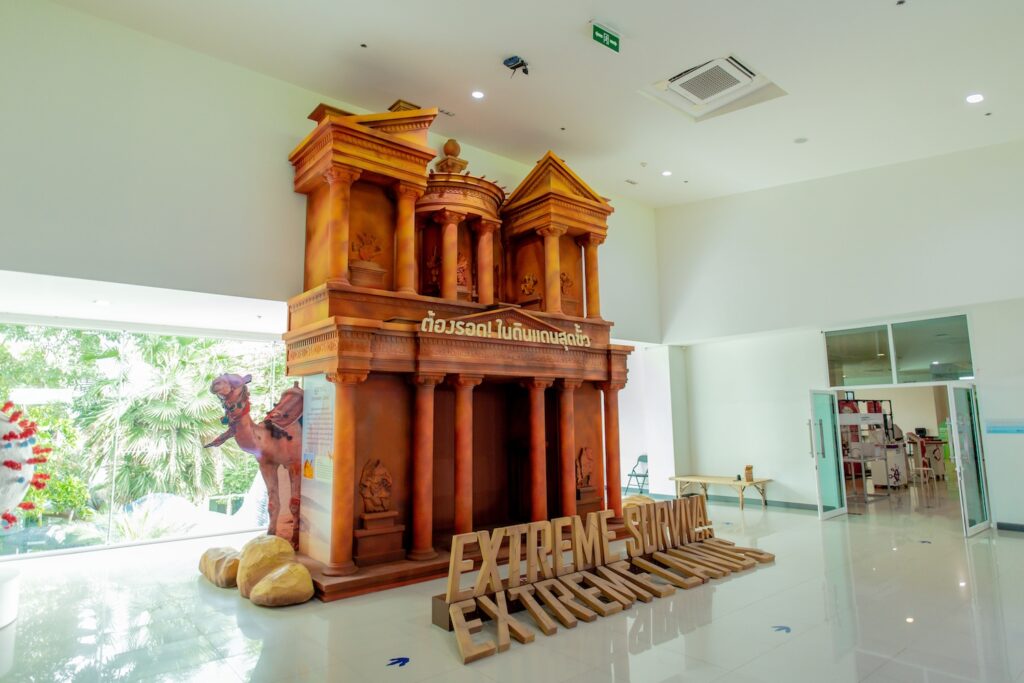
The museum is organized into themed exhibition zones across two floors. Permanent galleries introduce scientific themes, while rotating exhibitions present new discoveries and collaborative research projects.

Ground Floor – Origins, Evolution, and Ecosystems (Zones A–F)

  • Zone A – Reception and Orientation: The entrance area introduces the museum’s mission. Visitors watch a short orientation video before entering the exhibition sequence.
  • Zone B – Royal Projects and Plant Genetic Conservation: This zone highlights initiatives connected to Princess Maha Chakri Sirindhorn, focusing on plant conservation and biodiversity preservation.
  • Zone C – Khon Kaen University Research Displays: Research projects conducted by university scientists appear here, presenting field studies, environmental monitoring, and scientific discoveries from the region.
  • Zone D – Origin of the Universe and Solar System: Cosmology-themed displays explore the formation of the universe, the solar system, and planetary evolution.
  • Zone E – Evolution of the Isan Region: Visitors learn how the Northeastern plateau developed through geological change. Time-lapse displays show the transformation of landscapes across millions of years.
  • Zone F – Ecosystems of Northeastern Thailand: This gallery introduces forest ecosystems, habitats, and ecological relationships across the region.

Large models and immersive displays make this floor particularly photogenic, especially the geological timelines and environmental dioramas.

Second Floor – Life, Architecture, and DNA (Zones G–J)

  • Zone G – World of Living Things: Biodiversity takes center stage. Exhibits highlight animal and plant species found in Thailand and across Southeast Asia. Children often gravitate to this gallery because of its visual displays.
  • Zone H – Natural Architecture: This section explores structural design in nature, from biological forms to organic patterns.
  • Zone I – Balance Between Humans and Nature: The gallery examines sustainability, environmental challenges, and the human role in protecting ecosystems.
  • Zone J – Young Biologists’ Laboratory: A laboratory-style environment introduces visitors to DNA research and genetic science. Interactive stations simulate real scientific processes and encourage hands-on learning.
  • Rotating Exhibition Zone: Temporary exhibitions rotate throughout the year. Themes may include new fossil discoveries, regional biodiversity research, or collaborations with scientific institutions.

Outdoor Highlights: Prehistoric Garden and Dinosaurs

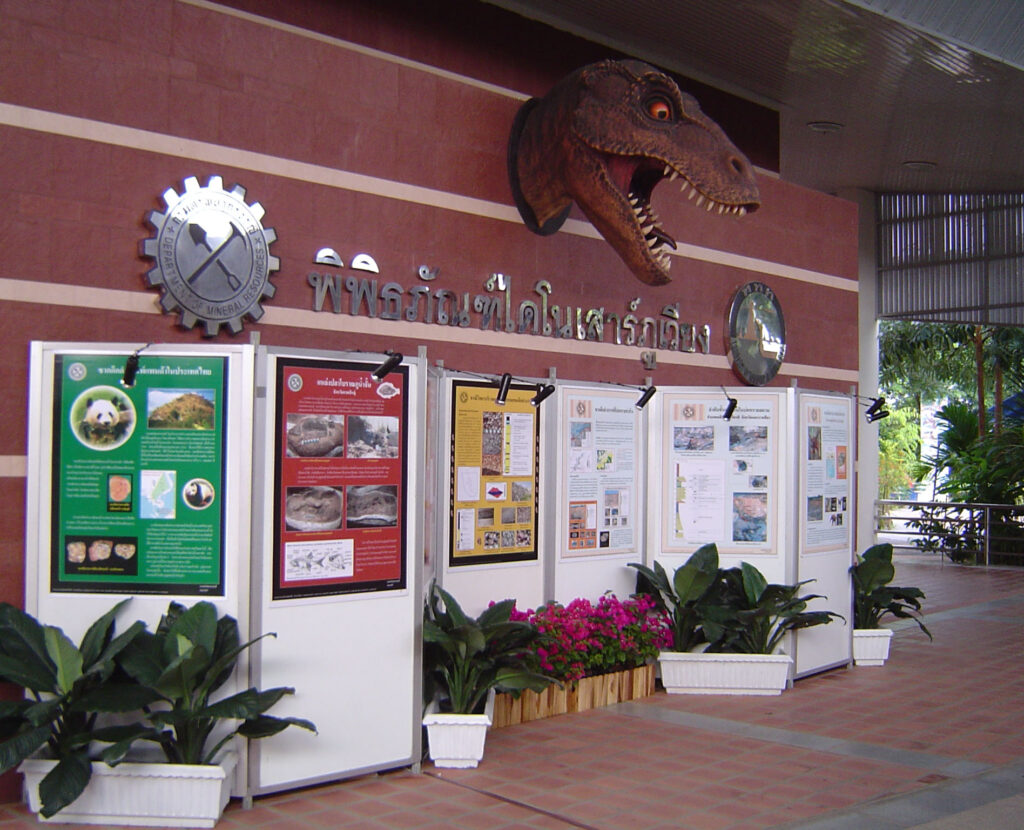
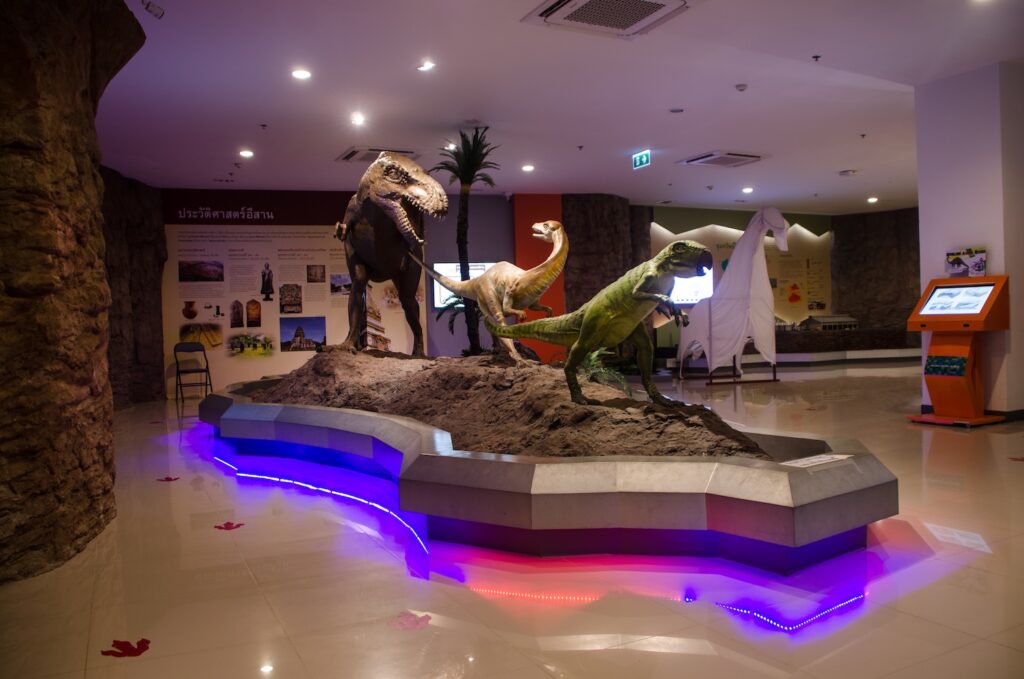
Outside the museum building, a prehistoric garden features life-sized dinosaur models placed among trees and landscaped paths. This area has become one of the museum’s most recognizable photo spots.

The garden connects to Isan’s reputation as one of Thailand’s most important dinosaur fossil regions. Several fossil discoveries in the Northeast helped shape national paleontology research.

Morning and late afternoon provide the best lighting for photos. Families with children often spend extra time here before or after visiting the indoor galleries.

Practical Visitor Information for 2026

Opening Hours and Best Time to Visit

The museum generally opens:

  • Tuesday – Sunday
  • Closed on Mondays

Operating hours usually run from morning until late afternoon. Public holidays or university events may affect schedules, so visitors should confirm hours with Khon Kaen University beforehand.

Mid-morning or early afternoon works well. Many travelers combine a museum visit with a walk around Bueng Si Than lake or a stop at campus cafés.

Tickets, Prices, and Booking

Typical entrance fees remain affordable:

  • Adult tickets: around 80 THB
  • Reduced prices for students and children
  • Possible combined tickets with the KKU Science Museum

Prices may change periodically, particularly for special exhibitions.

Walk-in visits are usually straightforward. Schools and larger groups can arrange educational visits through Khon Kaen University in advance.

How to Get There from Central Khon Kaen and Ad Lib Khon Kaen?

The museum sits within the Khon Kaen University campus, near Bueng Si Than.

From Ad Lib Khon Kaen

  • Taxi or Grab: ~10–15 minutes
  • Local songthaew: ~20–25 minutes depending on route

Step-by-step directions

  1. Travel from central Khon Kaen or the train station toward Khon Kaen University.
  2. Enter the campus via the main gate.
  3. Follow campus roads toward Bueng Si Than lake.
  4. The Natural History Museum is located nearby and clearly marked.

Visitors arriving by car will find parking areas around the museum and nearby campus buildings. If using rideshare, entering the museum name in Thai or English usually works well.

Tips for Visiting with Kids, Friends, or on a Study Trip

For Families and Young Explorers

Families often follow a simple route through the museum:

  1. Solar system and universe gallery
  2. Evolution of the Isan region
  3. Biodiversity displays
  4. Outdoor dinosaur garden

Interactive displays, short videos, and hands-on models keep children engaged throughout the visit.

The museum is stroller-friendly and includes restrooms and seating areas. Families often schedule snack breaks at nearby campus cafés.

For Students, Teachers, and Educational Groups

The museum supports learning in science, biology, geology, and environmental studies.

Recommended study zones include:

  • Evolution of Isan (geology and landscape development)
  • Ecosystem galleries
  • DNA laboratory exhibits

Teachers often prepare worksheets or scavenger hunts to guide students through the exhibitions. Translation apps can help non-Thai speakers access additional information where bilingual signage is limited.

For Culture and Nature Lovers

The museum complements cultural sites within Khon Kaen University, including art and cultural institutes that explore Isan heritage.

Visitors often combine the museum with:

  • A walk around Bueng Si Than lake
  • Birdwatching along the lakeside paths
  • Café stops around the university

A relaxed half-day itinerary may include a morning museum visit followed by lunch on campus and an afternoon lakeside stroll.

Where to Stay: Ad Lib Khon Kaen as Your Urban Base

Ad Lib Khon Kaen offers a design-driven hotel experience in the heart of the city. The property blends contemporary comfort with Isan-inspired design elements, including local craft details and warm materials.

Room types suit a range of travelers. Families appreciate spacious layouts, while couples and solo visitors often prefer the hotel’s studio-style rooms designed for urban exploration.

Dining options at the hotel include relaxed restaurants and rooftop spaces that create a calm setting after a day of exploring the city.

The hotel also integrates eco-conscious systems, including solar power and sustainable materials—an approach that resonates with visitors interested in environmental themes highlighted at the Natural History Museum.

Explore more about the property through the official Ad Lib Khon Kaen pages:

These resources help travelers plan their stay while exploring the city and nearby cultural sites.

Frequently Asked Questions (FAQs)

What is the Natural History Museum Khon Kaen University and what can I see there?

It is a science and education museum located inside Khon Kaen University. Visitors explore exhibits about the universe, regional geology, biodiversity, ecosystems, and DNA research.

What are the opening hours and which days is the museum closed?

The museum generally opens Tuesday through Sunday and remains closed on Mondays. Hours may change during holidays or university events.

How much is the ticket and are there student discounts?

Entrance typically costs around 80 THB, with reduced prices for students and children. Some combined tickets with nearby science museums may be available.

How long should I plan for a visit?

Most visitors spend 1.5 to 2 hours exploring the exhibitions and outdoor dinosaur garden.

Is the museum suitable for young children or non-Thai speakers?

Yes. Interactive displays, large visual exhibits, and multimedia installations make the museum accessible to children and international visitors.

Are there any combined tickets with the Science Museum or other KKU museums?

Occasionally, combined tickets with nearby science learning centers are offered, especially for educational visits.

What else can I do around Khon Kaen University on the same day?

Visitors can walk around Bueng Si Than lake, explore campus cafés, or visit other cultural and research institutes within the university.

Where is a good place to stay near Khon Kaen University?

Many travelers choose Ad Lib Khon Kaen, a boutique city hotel offering design-focused rooms, dining venues, and easy access to Khon Kaen’s major attractions.

[2026] Khon Kaen Walking Street (ถนนคนเดินขอนแก่น)

Khon Kaen Walking Street (ถนนคนเดินขอนแก่น) stands as the city’s signature Saturday night market and one of the most engaging evening experiences in Northeast Thailand. Every weekend, a central stretch of downtown Khon Kaen transforms into a lively pedestrian market where food stalls, music stages, craft vendors, and families gather under bright lights and colorful banners.

Khon Kaen Walking Street takes place along Na Soon Rachakarn / Na Muang Road near Khon Kaen City Hall and operates every Saturday evening, drawing both locals and travelers for a relaxed night out. In 2026, the market remains one of the most authentic ways to experience the rhythm of Isan life. 

Visitors will find grilled street food, handmade goods, casual performances, and a friendly community atmosphere. Its central location makes it easy to reach from downtown landmarks and nearby hotels, including Ad Lib Khon Kaen, which sits within a short distance of the market and other city attractions.

Where Is Khon Kaen Walking Street?

  • Location: Na Soon Rachakarn / Na Muang Road, near Khon Kaen City Hall in central Khon Kaen
  • Opening day: Every Saturday
  • Typical hours: Approximately 16:00 – 22:00 / 23:00
  • Main vibe: Local night market with clear sections for food, shopping, and entertainment

Khon Kaen Walking Street appeals to many types of visitors. Families enjoy the relaxed atmosphere, couples appreciate the evening stroll, and street-food lovers come for Isan flavors. Photographers and cultural travelers also find the market rewarding because it reflects daily life in the region.

Distances From Key Spots in Khon Kaen

Khon Kaen Walking Street stretches along a long road segment near Khon Kaen City Hall. On Saturday evenings the street closes to traffic, allowing hundreds of stalls to line the route. Its downtown location places it close to the city’s malls, markets, and major hotels.

From / ToApprox. DistanceApprox. Travel TimeNotes
Ad Lib Hotel Khon Kaen → Walking Street~1.4 km5–10 mins by car / 15–20 mins walkShort ride or pleasant walk through central streets
Central Plaza Khon Kaen → Walking Street~1–1.5 km5–10 mins by carEasy to combine with shopping or dining
Khon Kaen City Hall → Walking StreetAdjacent area0–5 mins walkMarket runs directly in front or nearby

Because of this location, visitors can easily combine the walking street with other city highlights such as Central Plaza, nearby night markets, or café districts.

What to Expect: Atmosphere & Layout

On Saturday evenings, Khon Kaen Walking Street fills with local energy. Families stroll through the market, students gather with friends, and performers play music along the street. Lantern lights and vendor stalls create a warm night scene that reflects the social character of Isan culture.

The layout remains easy to explore. One side of the street focuses on food stalls and casual seating areas where visitors can sit and eat. The opposite side features clothing, crafts, and small items. Crossing between the two sections takes only a few steps, so visitors move freely between shopping and dining.

A quick walk through the market usually takes 45 to 60 minutes. Visitors who stop to eat, watch performances, and browse stalls typically spend one to two hours.

Best Local Foods to Try at Khon Kaen Walking Street

The food scene remains the main highlight. Khon Kaen Walking Street brings together many stalls serving classic Isan dishes, Thai snacks, and modern street-food creations.

Typical favorites include:

Classic Isan dishes

  • Som tam (papaya salad with chili and lime)
  • Grilled pork skewers and chicken
  • Sai krok Isan (fermented sausage)
  • Sticky rice served in bamboo baskets

Sweets and desserts

  • Thai crispy pancakes (kanom buang)
  • Roti with condensed milk or chocolate
  • Coconut ice cream with toppings
  • Traditional Thai desserts made with palm sugar and coconut

Drinks and snacks

  • Fresh fruit juices and smoothies
  • Thai milk tea
  • Iced coffee from small street carts
  • Fried snacks and skewers

Tip for ordering:
If you do not speak Thai, pointing to dishes usually works well. Vendors are accustomed to visitors and often show prices clearly.

Typical budget:
Around 100–200 THB per person allows visitors to try several snacks and drinks.

Shopping: Souvenirs, Handicrafts, and Local Fashion

Beyond food, the walking street functions as a local craft market. Visitors will find stalls selling clothing, handmade jewelry, small decorative items, and travel souvenirs.

Khon Kaen sits in the heart of the Isan region, known for traditional textiles. Some stalls offer woven fabrics, scarves, and clothing inspired by regional patterns. These pieces reflect the cultural identity of northeastern Thailand and make meaningful souvenirs.

Practical tips

  • Bargaining remains acceptable but should be friendly and modest
  • Many vendors prefer cash, although some accept mobile payments
  • If you plan to continue traveling, choose lightweight items such as textiles or jewelry for easier packing

Entertainment, Culture, and Local Life

Entertainment plays an important role in the market’s atmosphere. Street musicians, student performers, and small live shows often appear along the walking route. These performances create a festive environment that draws crowds to gather and watch.

For photographers and observers, the market offers many candid moments: children enjoying snacks, students performing music, and vendors preparing food at open grills. The mix of sounds, lights, and activity makes Khon Kaen Walking Street a compelling place to capture everyday life.

Visitors should remain respectful when taking photos. A quick gesture or smile before photographing vendors or performers shows courtesy and builds a friendly interaction.

How to Get There: Transport Options in 2026

Because the market sits in the center of the city, reaching Khon Kaen Walking Street remains simple.

Walking
Many visitors walk from nearby areas such as Central Plaza or hotels in the downtown district. From Ad Lib Khon Kaen, the market is close enough for a relaxed evening stroll.

Local transport
Songthaews, tuk-tuks, motorcycle taxis, and taxis operate throughout the city. Ride-hailing apps may also be available depending on the time of day.

Typical fares

  • Tuk-tuk or taxi within central Khon Kaen: about 60–120 THB
  • Motorcycle taxi: often 40–80 THB

To explain the destination, travelers can show or say:
“Khon Kaen Walking Street – ถนนคนเดินขอนแก่น”

When returning late at night, tuk-tuks and taxis usually wait near the edges of the market.

When to Go: Best Time, Weather, and Seasons

The best time to visit Khon Kaen Walking Street depends on what experience you want.

Arriving around 17:00–18:00 offers cooler weather and easier walking before the crowds arrive. Visiting later, around 19:00–20:30, delivers the most vibrant atmosphere as the market reaches peak activity.

Khon Kaen’s climate stays warm throughout the year. Evening temperatures remain comfortable, but visitors should still prepare for heat or occasional rain. Lightweight clothing, comfortable shoes, and a small umbrella help ensure a pleasant visit.

During public holidays or festival periods, the market may attract larger crowds and feature additional performances or community activities.

Practical Tips: Toilets, Safety, Accessibility, and Etiquette

Facilities along the walking street remain limited. Visitors should consider using restrooms at nearby malls, hotels, or cafés before entering the market.

Basic comfort tips include:

  • Keep personal belongings secure in crowded areas
  • Stay hydrated, especially during the early evening heat
  • Wear comfortable footwear for walking

Accessibility can vary because the street becomes crowded and surfaces may be uneven. Visitors who prefer easier movement should arrive earlier before peak crowds.

Respectful behavior with vendors remains important. Friendly interactions help maintain the welcoming atmosphere that defines Khon Kaen’s community markets.

Staying Near Khon Kaen Walking Street

Choosing accommodation in central Khon Kaen makes visiting the walking street simple and convenient. Guests can explore the market without long travel times and return easily after dinner or shopping.

Ad Lib Hotel Khon Kaen offers a refined boutique stay within short distance of the walking street and other city attractions. Its location provides convenient access to Central Plaza, local markets, cafés, and the broader downtown area.

From the hotel, guests can combine a Saturday visit to the walking street with other Khon Kaen experiences, including day and night markets, shopping districts, and the café culture near Khon Kaen University.

FAQs

What day is Khon Kaen Walking Street open in 2026?
Khon Kaen Walking Street operates every Saturday evening throughout the year.

What time does Khon Kaen Walking Street open and close?
The market usually begins around 16:00 and continues until about 22:00–23:00.

Where exactly is Khon Kaen Walking Street located?
It runs along Na Soon Rachakarn / Na Muang Road near Khon Kaen City Hall in the central part of the city.

Is Khon Kaen Walking Street family-friendly?
Yes. Families, couples, and travelers of all ages visit the market to enjoy food, music, and casual shopping.

Can I walk from Ad Lib Hotel Khon Kaen to Khon Kaen Walking Street?
Yes. The distance is roughly 1.4 km, making it possible to reach the market in about 15–20 minutes on foot.