[2026] Natural History Museum Khon Kaen University (พิพิธภัณฑ์ธรรมชาติวิทยา มหาวิทยาลัย ขอนแก่น)
The Natural History Museum Khon Kaen University (พิพิธภัณฑ์ธรรมชาติวิทยา มหาวิทยาลัย ขอนแก่น) is one of Northeast Thailand’s most engaging learning spaces. Located inside Khon Kaen University (KKU) near the scenic Bueng Si Than lake, the museum serves as both a research showcase and a lifelong learning center. Visitors explore the origins of life, regional ecosystems, biodiversity, and scientific discovery through structured exhibitions and interactive displays.
In 2026, the museum stands out as one of Khon Kaen’s most accessible science destinations. Interactive multimedia installations, evolving exhibitions, and educational programs make it ideal for families, students, and curious travelers who want deeper insight into the landscapes and biodiversity of Isan. For travelers planning a cultural or educational visit, Ad Lib Khon Kaen offers a refined boutique base just a short ride from the university campus.
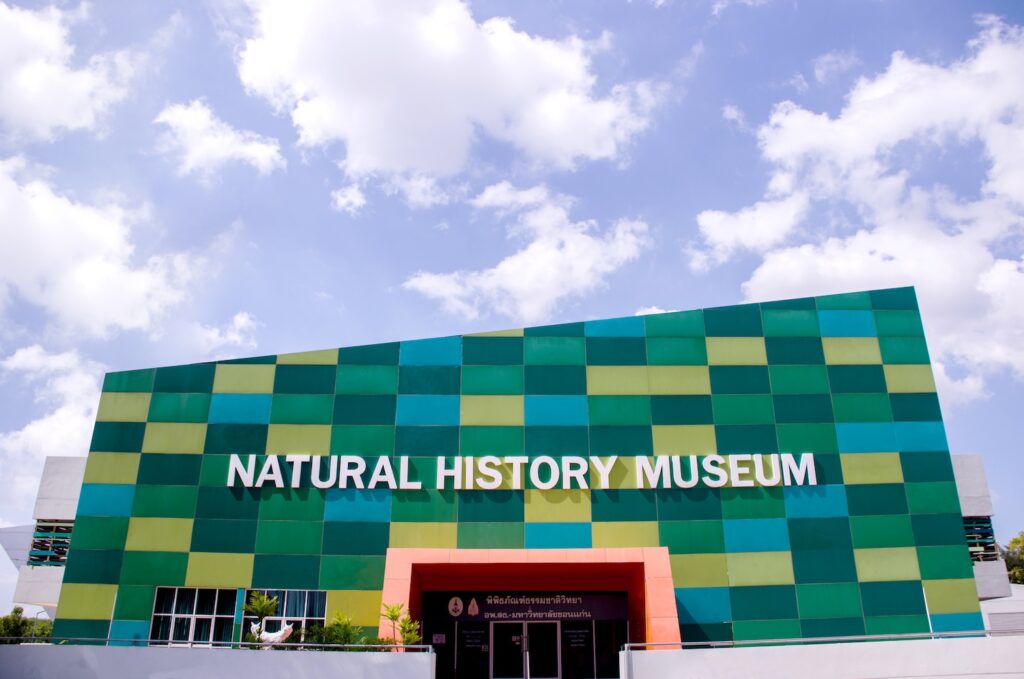
About Natural History Museum Khon Kaen University
- Official Name: Natural History Museum Khon Kaen University / พิพิธภัณฑ์ธรรมชาติวิทยา มหาวิทยาลัย ขอนแก่น
- Institution Role: Khon Kaen University Museum and Lifelong Learning Center
- Location: Khon Kaen University campus, near Bueng Si Than Lake
- Year Opened: 2016
- Typical Visit Duration: 1.5–2 hours
- Best For: Families, students, science enthusiasts, educational groups
- Distance from Ad Lib Khon Kaen: ~10–15 minutes by taxi or Grab; ~20–25 minutes via local songthaew depending on route
The museum forms part of Khon Kaen University’s broader commitment to public education and research dissemination. Visitors gain insight into regional ecology, scientific projects, and environmental stewardship.
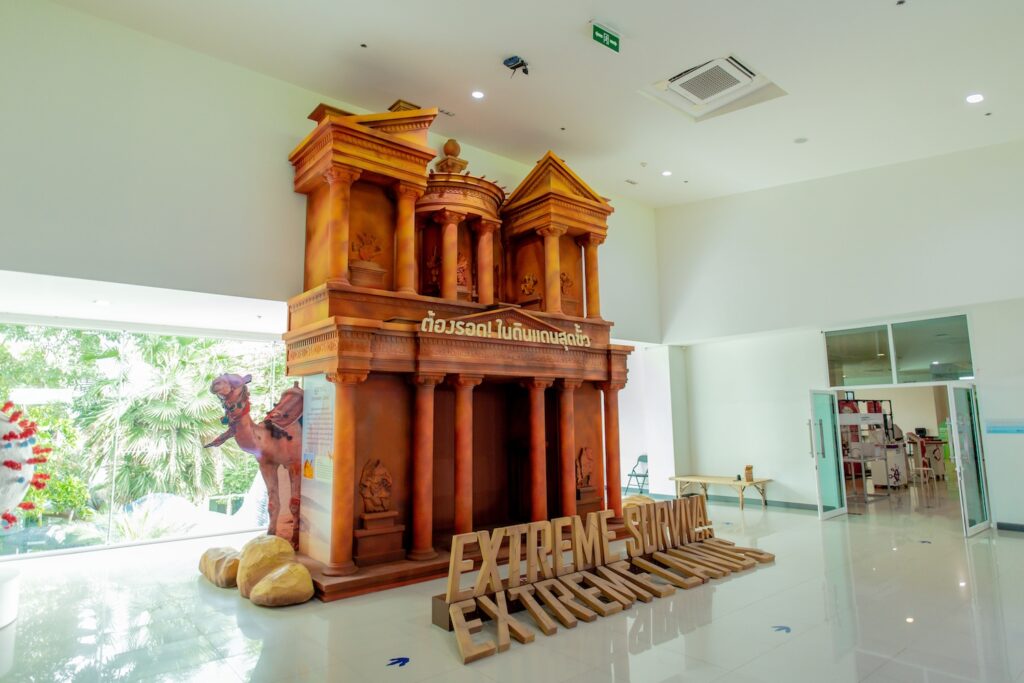
Why Visit the Natural History Museum at Khon Kaen University?
A Modern Learning Space in Isan
The museum operates as a lifelong learning center focused on the natural environment and biodiversity of Northeastern Thailand. Exhibitions introduce visitors to regional geology, ecosystems, and scientific research conducted by Khon Kaen University.
Several displays highlight royal conservation initiatives, including projects linked to Princess Maha Chakri Sirindhorn and plant genetic conservation programs. These initiatives support sustainable resource management and environmental research across Thailand.
Unlike traditional static displays, the museum uses interactive multimedia exhibits, immersive storytelling, and hands-on learning stations. Young visitors benefit from activity-based zones that transform complex scientific concepts into accessible experiences.
Who Will Love This Museum?
- Families with children will enjoy the dinosaur displays, fossils, and interactive exploration zones. The experience often feels like a junior research lab, encouraging curiosity through experimentation and observation.
- Students and educational groups benefit from exhibits aligned with topics such as biology, geology, and environmental science. Many displays connect directly to university research and educational frameworks.
- Curious travelers and digital nomads gain context about the Isan region—its ecosystems, geological history, and biodiversity. Compared with Khon Kaen’s art or cultural museums, this museum focuses on scientific interpretation of the landscape.
From the perspective of the Ad Lib Khon Kaen team, the museum works well as a half-day outing. Many guests visit after brunch, then continue to Bueng Si Than lake for an evening walk or sunset views.
What to See Inside: Exhibitions and Zones?
The museum is organized into themed exhibition zones across two floors. Permanent galleries introduce scientific themes, while rotating exhibitions present new discoveries and collaborative research projects.
Ground Floor – Origins, Evolution, and Ecosystems (Zones A–F)
- Zone A – Reception and Orientation: The entrance area introduces the museum’s mission. Visitors watch a short orientation video before entering the exhibition sequence.
- Zone B – Royal Projects and Plant Genetic Conservation: This zone highlights initiatives connected to Princess Maha Chakri Sirindhorn, focusing on plant conservation and biodiversity preservation.
- Zone C – Khon Kaen University Research Displays: Research projects conducted by university scientists appear here, presenting field studies, environmental monitoring, and scientific discoveries from the region.
- Zone D – Origin of the Universe and Solar System: Cosmology-themed displays explore the formation of the universe, the solar system, and planetary evolution.
- Zone E – Evolution of the Isan Region: Visitors learn how the Northeastern plateau developed through geological change. Time-lapse displays show the transformation of landscapes across millions of years.
- Zone F – Ecosystems of Northeastern Thailand: This gallery introduces forest ecosystems, habitats, and ecological relationships across the region.
Large models and immersive displays make this floor particularly photogenic, especially the geological timelines and environmental dioramas.
Second Floor – Life, Architecture, and DNA (Zones G–J)
- Zone G – World of Living Things: Biodiversity takes center stage. Exhibits highlight animal and plant species found in Thailand and across Southeast Asia. Children often gravitate to this gallery because of its visual displays.
- Zone H – Natural Architecture: This section explores structural design in nature, from biological forms to organic patterns.
- Zone I – Balance Between Humans and Nature: The gallery examines sustainability, environmental challenges, and the human role in protecting ecosystems.
- Zone J – Young Biologists’ Laboratory: A laboratory-style environment introduces visitors to DNA research and genetic science. Interactive stations simulate real scientific processes and encourage hands-on learning.
- Rotating Exhibition Zone: Temporary exhibitions rotate throughout the year. Themes may include new fossil discoveries, regional biodiversity research, or collaborations with scientific institutions.
Outdoor Highlights: Prehistoric Garden and Dinosaurs
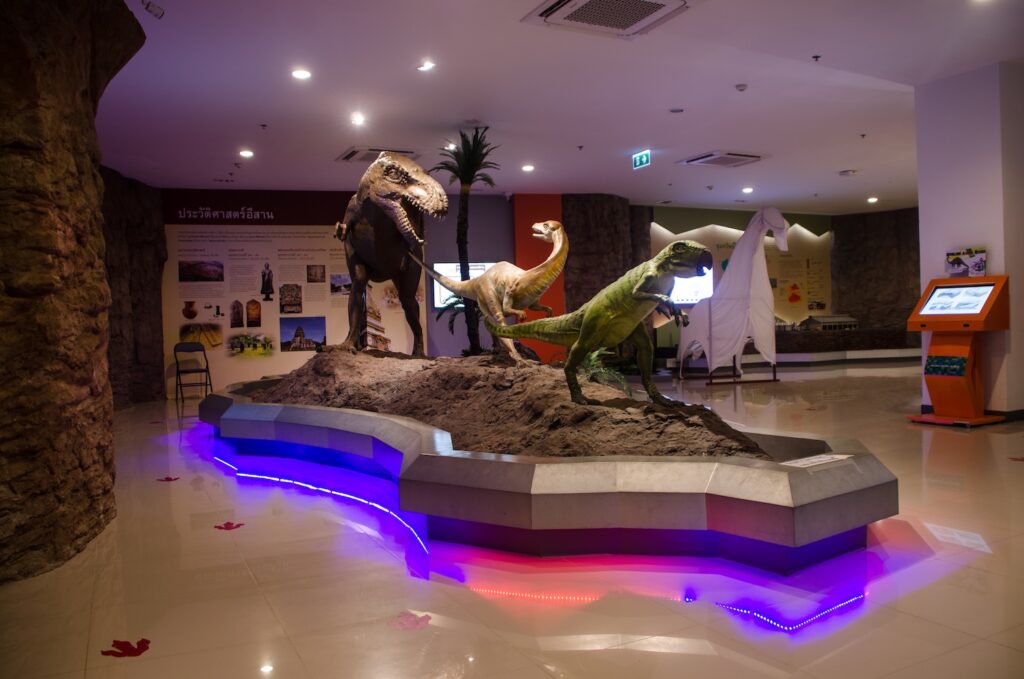
Outside the museum building, a prehistoric garden features life-sized dinosaur models placed among trees and landscaped paths. This area has become one of the museum’s most recognizable photo spots.
The garden connects to Isan’s reputation as one of Thailand’s most important dinosaur fossil regions. Several fossil discoveries in the Northeast helped shape national paleontology research.
Morning and late afternoon provide the best lighting for photos. Families with children often spend extra time here before or after visiting the indoor galleries.
Practical Visitor Information for 2026
Opening Hours and Best Time to Visit
The museum generally opens:
- Tuesday – Sunday
- Closed on Mondays
Operating hours usually run from morning until late afternoon. Public holidays or university events may affect schedules, so visitors should confirm hours with Khon Kaen University beforehand.
Mid-morning or early afternoon works well. Many travelers combine a museum visit with a walk around Bueng Si Than lake or a stop at campus cafés.
Tickets, Prices, and Booking
Typical entrance fees remain affordable:
- Adult tickets: around 80 THB
- Reduced prices for students and children
- Possible combined tickets with the KKU Science Museum
Prices may change periodically, particularly for special exhibitions.
Walk-in visits are usually straightforward. Schools and larger groups can arrange educational visits through Khon Kaen University in advance.
How to Get There from Central Khon Kaen and Ad Lib Khon Kaen?
The museum sits within the Khon Kaen University campus, near Bueng Si Than.
From Ad Lib Khon Kaen
- Taxi or Grab: ~10–15 minutes
- Local songthaew: ~20–25 minutes depending on route
Step-by-step directions
- Travel from central Khon Kaen or the train station toward Khon Kaen University.
- Enter the campus via the main gate.
- Follow campus roads toward Bueng Si Than lake.
- The Natural History Museum is located nearby and clearly marked.
Visitors arriving by car will find parking areas around the museum and nearby campus buildings. If using rideshare, entering the museum name in Thai or English usually works well.
Tips for Visiting with Kids, Friends, or on a Study Trip
For Families and Young Explorers
Families often follow a simple route through the museum:
- Solar system and universe gallery
- Evolution of the Isan region
- Biodiversity displays
- Outdoor dinosaur garden
Interactive displays, short videos, and hands-on models keep children engaged throughout the visit.
The museum is stroller-friendly and includes restrooms and seating areas. Families often schedule snack breaks at nearby campus cafés.
For Students, Teachers, and Educational Groups
The museum supports learning in science, biology, geology, and environmental studies.
Recommended study zones include:
- Evolution of Isan (geology and landscape development)
- Ecosystem galleries
- DNA laboratory exhibits
Teachers often prepare worksheets or scavenger hunts to guide students through the exhibitions. Translation apps can help non-Thai speakers access additional information where bilingual signage is limited.
For Culture and Nature Lovers
The museum complements cultural sites within Khon Kaen University, including art and cultural institutes that explore Isan heritage.
Visitors often combine the museum with:
- A walk around Bueng Si Than lake
- Birdwatching along the lakeside paths
- Café stops around the university
A relaxed half-day itinerary may include a morning museum visit followed by lunch on campus and an afternoon lakeside stroll.
Where to Stay: Ad Lib Khon Kaen as Your Urban Base
Ad Lib Khon Kaen offers a design-driven hotel experience in the heart of the city. The property blends contemporary comfort with Isan-inspired design elements, including local craft details and warm materials.
Room types suit a range of travelers. Families appreciate spacious layouts, while couples and solo visitors often prefer the hotel’s studio-style rooms designed for urban exploration.
Dining options at the hotel include relaxed restaurants and rooftop spaces that create a calm setting after a day of exploring the city.
The hotel also integrates eco-conscious systems, including solar power and sustainable materials—an approach that resonates with visitors interested in environmental themes highlighted at the Natural History Museum.
Explore more about the property through the official Ad Lib Khon Kaen pages:
These resources help travelers plan their stay while exploring the city and nearby cultural sites.
Frequently Asked Questions (FAQs)
What is the Natural History Museum Khon Kaen University and what can I see there?
It is a science and education museum located inside Khon Kaen University. Visitors explore exhibits about the universe, regional geology, biodiversity, ecosystems, and DNA research.
What are the opening hours and which days is the museum closed?
The museum generally opens Tuesday through Sunday and remains closed on Mondays. Hours may change during holidays or university events.
How much is the ticket and are there student discounts?
Entrance typically costs around 80 THB, with reduced prices for students and children. Some combined tickets with nearby science museums may be available.
How long should I plan for a visit?
Most visitors spend 1.5 to 2 hours exploring the exhibitions and outdoor dinosaur garden.
Is the museum suitable for young children or non-Thai speakers?
Yes. Interactive displays, large visual exhibits, and multimedia installations make the museum accessible to children and international visitors.
Are there any combined tickets with the Science Museum or other KKU museums?
Occasionally, combined tickets with nearby science learning centers are offered, especially for educational visits.
What else can I do around Khon Kaen University on the same day?
Visitors can walk around Bueng Si Than lake, explore campus cafés, or visit other cultural and research institutes within the university.
Where is a good place to stay near Khon Kaen University?
Many travelers choose Ad Lib Khon Kaen, a boutique city hotel offering design-focused rooms, dining venues, and easy access to Khon Kaen’s major attractions.